9 hours agoTech
30LENS
2 SourcesNew Zealand
 thebalanced.news
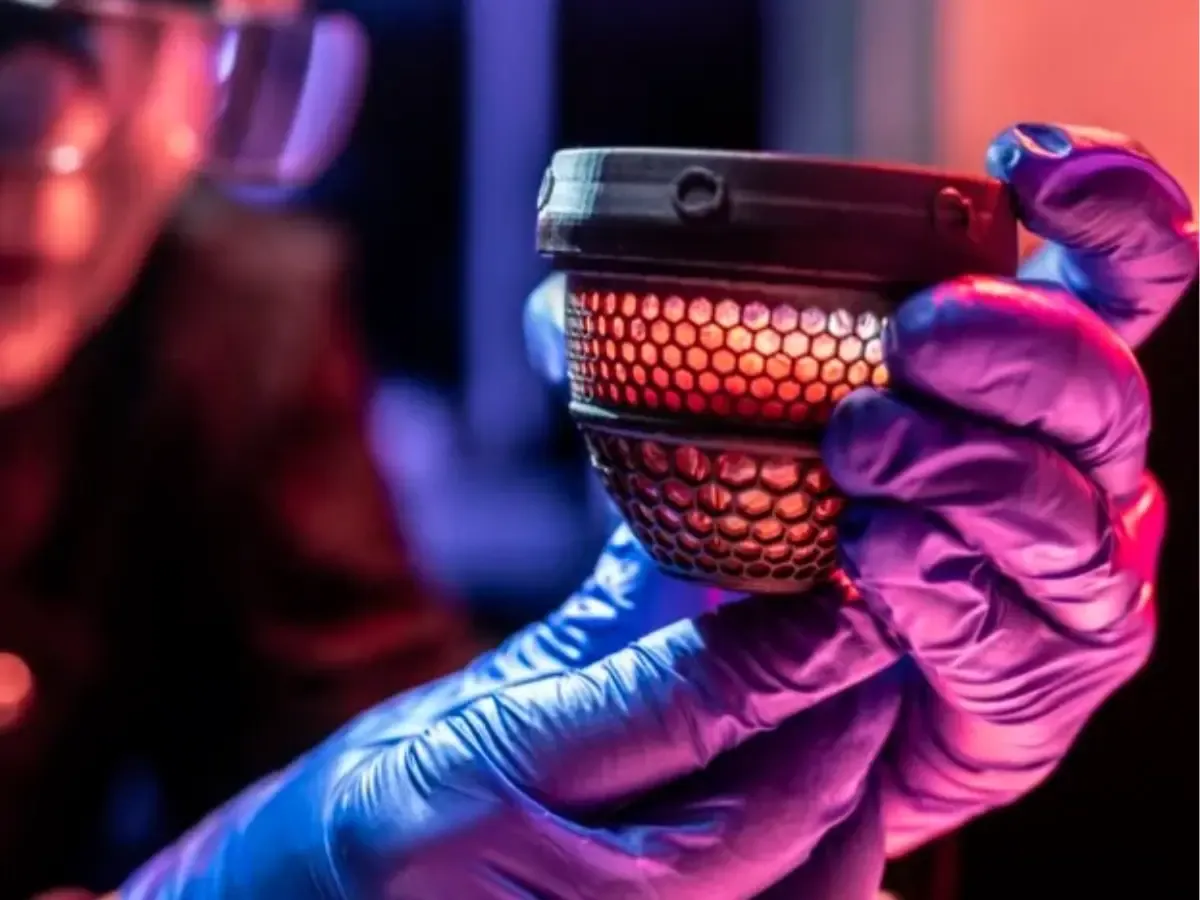
De-Extinction Company Hatches 26 Chicks Using 3D-Printed Artificial Eggs
Colossal Biosciences, a de-extinction startup, has successfully hatched 26 healthy chicks using a 3D-printed artificial egg designed to mimic natural eggshell functions. The egg features a titanium lattice and a silicone membrane that allows gas exchange, though calcium is manually supplemented. This breakthrough supports the company's goal to revive extinct species like New Zealand's giant moa. The technology is scalable and aims for mass production, with ongoing reliance on naturally laid eggs for embryo development.
Political Bias
0%100%0%
Sentiment
75%
AI Analysis
Political bias across 2 sources
● Left 0%● Center 100%● Right 0%
The articles present a scientific and technological development without evident political framing. They focus on the innovation and goals of Colossal Biosciences, highlighting both achievements and technical challenges. Perspectives include company statements and expert explanations, maintaining a neutral tone without political or ideological bias.
Sentiment — Positive (75/100)
Coverage across the articles is generally positive, emphasizing the breakthrough nature of the artificial egg technology and its potential for species revival. While acknowledging technical limitations, the tone remains optimistic about future scalability and applications, reflecting enthusiasm for scientific progress without undue hype.
How 2 sources covered this story
Each source's own headline, political lean, and sentiment — so you can see framing differences at a glance.
| Source | Their headline | Bias | Sentiment |
|---|---|---|---|
| indiatoday | Company trying to revive extinct animal hatches 26 chicks from artificial eggs | Center | Positive |
| wion | In major breakthrough, 3D-printed artificial egg hatched to produce 26 chickens | Center | Positive |
Coverage timeline
wion broke this story on 19 May, 02:01 pm. Other outlets followed.
- 1wion19 May, 02:01 pmIn major breakthrough, 3D-printed artificial egg hatched to produce 26 chickens
- 2indiatoday20 May, 10:28 amCompany trying to revive extinct animal hatches 26 chicks from artificial eggs
Lens Score breakdown
30/100
Public interest0/100
Coverage gap100%
Well-covered story — coverage matches public importance.
Who's involved
Institutions and figures named across source coverage.
Corporate
Colossal Biosciences
Story context
- Category
- Tech
- Location
- New Zealand
- Sources analysed
- 2
- Last analysed
- 20 May 2026
- Key entities
- EggDe-extinctionEggshellMoaOxygenColossal BiosciencesBirdBiological engineeringCell membraneEmbryoSpeciesChicken
Related Coverage
Select a news story to see related coverage from other media outlets.