1 hour agoTech
28LENS
2 SourcesGermany
 thebalanced.news
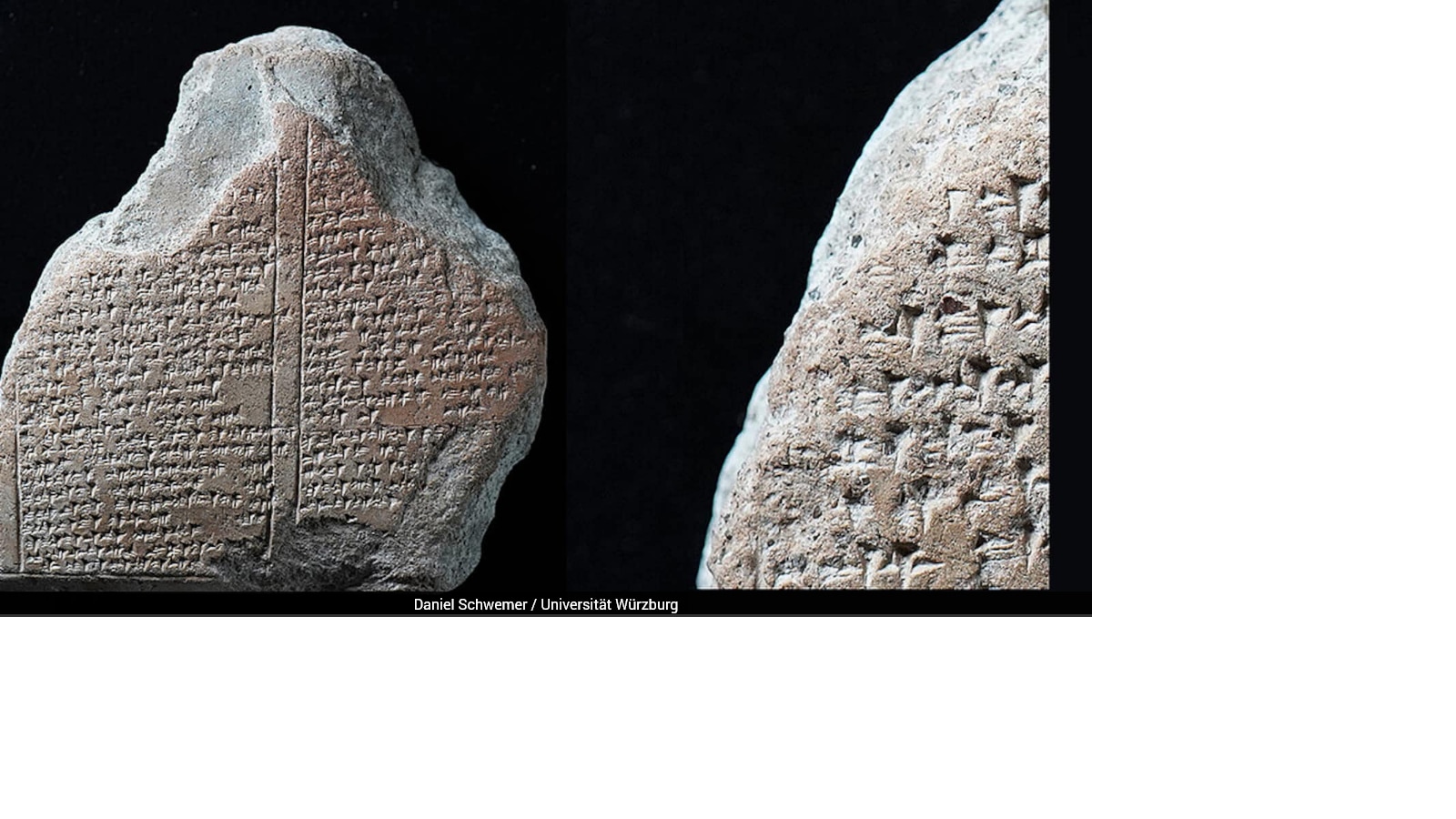
AI Tool Accelerates Decoding of 3,500-Year-Old Cuneiform Tablets
Researchers at Germany's University of Wurzburg and the Academy of Sciences and Literature Mainz have developed Palaeographicum, an AI tool that rapidly analyzes over five million cuneiform characters from 70,000 digitized photographs. This technology identifies subtle handwriting differences on ancient clay tablets, speeding up the reconstruction of fragmented documents from the Hittite civilization around 1600 BC. The tool significantly reduces manual comparison time, aiding scholars in reassembling texts and potentially revealing new insights into ancient scribes and societies.
Political Bias
0%100%0%
Sentiment
75%
AI Analysis
Political bias across 2 sources
● Left 0%● Center 100%● Right 0%
The article group presents a largely academic and technological perspective, focusing on the development and application of AI in historical research. Both sources emphasize the scientific breakthrough without political framing, highlighting contributions from German research institutions. There is no evident political bias, as the coverage centers on scholarly advancement and cultural heritage.
Sentiment — Positive (75/100)
The overall sentiment across the articles is positive, reflecting enthusiasm about the AI tool's potential to transform ancient script analysis. The tone is optimistic and focused on innovation, with emphasis on efficiency gains and the possibility of uncovering new historical knowledge. There is no negative or critical sentiment present.
How 2 sources covered this story
Each source's own headline, political lean, and sentiment — so you can see framing differences at a glance.
| Source | Their headline | Bias | Sentiment |
|---|---|---|---|
| economictimes | AI cracks 3,500-year-old ancient code, reveals secrets of forgotten empire | Center | Positive |
| ndtv | AI Just Decoded A 3,500-Year-Old Ancient Script And It Could Rewrite History | Center | Positive |
Coverage timeline
ndtv broke this story on 23 May, 03:47 am. Other outlets followed.
- 1ndtv23 May, 03:47 amAI Just Decoded A 3,500-Year-Old Ancient Script And It Could Rewrite History
- 2economictimes23 May, 07:55 amAI cracks 3,500-year-old ancient code, reveals secrets of forgotten empire
Lens Score breakdown
28/100
Public interest0/100
Coverage gap100%
Well-covered story — coverage matches public importance.
Story context
- Category
- Tech
- Location
- Germany
- Sources analysed
- 2
- Last analysed
- 23 May 2026
- Key entities
- Cuneiform scriptUniversity of WürzburgClay tabletAncient Near EastClayHittitesHandwritingScribeStylusArtificial intelligenceAnatoliaGermany
Related Coverage
Select a news story to see related coverage from other media outlets.