1 hour agoTech
28LENS
2 SourcesMumbai, India
 thebalanced.news
Mumbai Tech Professional Highlights Benefits of Work From Home After Injury
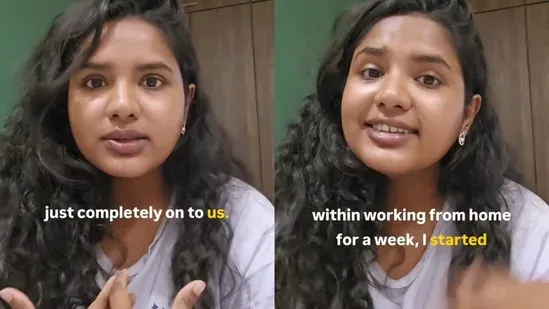
A Mumbai-based tech professional, Dharani Arikrishnan, shared her experience of working from home for 20 days following a hairline fracture, highlighting improved focus, health, and work-life balance. She questioned why remote work is not more widely normalized, especially for roles like software development. Her views sparked online discussions emphasizing the physical and mental toll of long commutes in cities like Mumbai and Bengaluru, with many supporting flexible or hybrid work models for increased productivity and well-being.
Political Bias
5%93%2%
Sentiment
70%
AI Analysis
Political bias across 2 sources
● Left 5%● Center 93%● Right 2%
The articles primarily present perspectives from a tech professional and social media users advocating for flexible work arrangements without explicit political framing. The coverage focuses on workplace culture and employee well-being, reflecting viewpoints common in urban professional sectors. There is no evident partisan bias, as the discussion centers on practical work-life balance issues rather than political debate.
Sentiment — Positive (70/100)
The overall tone across the articles is positive toward work-from-home arrangements, emphasizing benefits such as improved health, focus, and productivity. While acknowledging challenges like long commutes, the sentiment reflects support for flexible work models. The coverage includes constructive criticism of traditional office norms but maintains a balanced and professional tone without negativity or sensationalism.
How 2 sources covered this story
Each source's own headline, political lean, and sentiment — so you can see framing differences at a glance.
| Source | Their headline | Bias | Sentiment |
|---|---|---|---|
| ndtv | "Why Isn't Work From Home Normalised?" Mumbai Techie Slams Long Office Commutes | Center | Positive |
| hindustantimes | Mumbai techie questions long office commutes after 20 days of WFH: 'Why is this still not normalised?' | Center | Positive |
Coverage timeline
hindustantimes broke this story on 14 May, 10:54 am. Other outlets followed.
- 1hindustantimes14 May, 10:54 amMumbai techie questions long office commutes after 20 days of WFH: 'Why is this still not normalised?'
- 2ndtv15 May, 03:59 am"Why Isn't Work From Home Normalised?" Mumbai Techie Slams Long Office Commutes
Lens Score breakdown
28/100
Public interest0/100
Coverage gap100%
Well-covered story — coverage matches public importance.
Story context
- Category
- Tech
- Location
- Mumbai, India
- Sources analysed
- 2
- Last analysed
- 15 May 2026
- Key entities
- Remote workMumbaiCommutingInstagramSoftware developmentStress fractureStandard scoreBrainHybrid vehicleWork–life interfaceMicromanagementSocial media
Related Coverage
Select a news story to see related coverage from other media outlets.