2 hours agoTech
33LENS
4 SourcesKent, United Kingdom
 thebalanced.news
SpaceX Invests Over $15 Billion in Starship Development Ahead of IPO
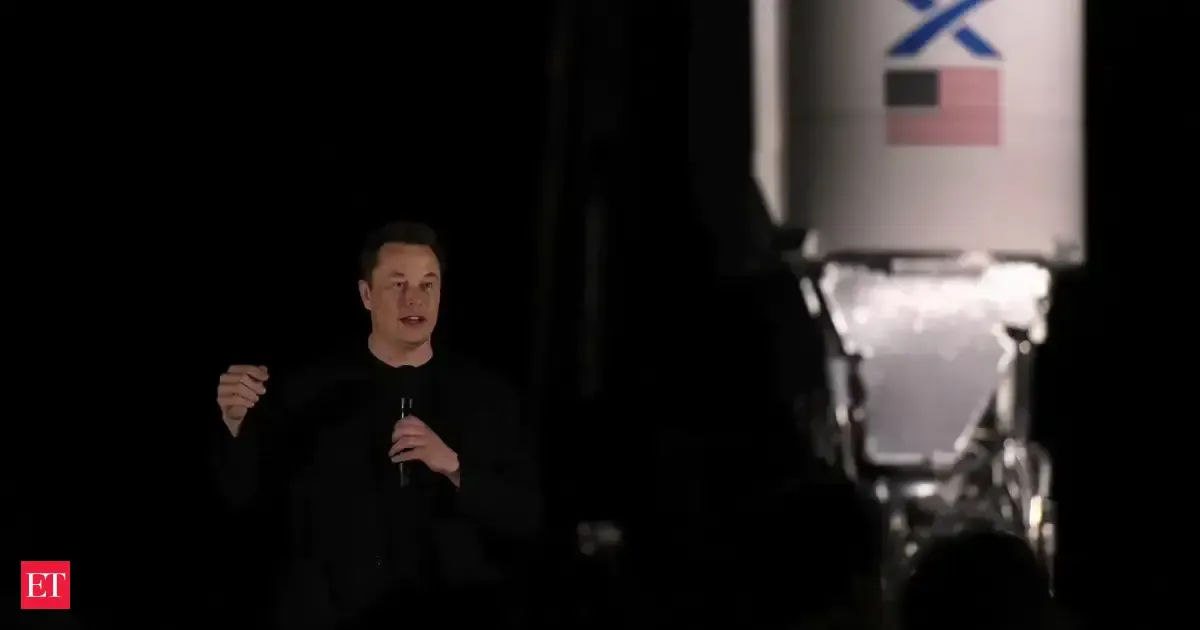
SpaceX has invested over $15 billion in developing its next-generation Starship rocket, significantly surpassing the roughly $400 million spent on the Falcon 9. Starship, a fully reusable two-stage system, is central to Elon Musk's plans for launching larger batches of upgraded Starlink satellites starting in late 2026, as well as future moon, Mars missions, and deploying AI computing satellites. This investment reflects SpaceX's focus on rapid reusability and underpins its strategy ahead of a public market debut valued at $1.75 trillion.
Political Bias
0%100%0%
Sentiment
68%
AI Analysis
Political bias across 4 sources
● Left 0%● Center 100%● Right 0%
The articles primarily present a business and technology-focused perspective, emphasizing SpaceX's investment and strategic plans without political framing. Coverage centers on corporate ambitions, technological innovation, and market positioning, reflecting viewpoints from company disclosures and industry analysis. There is no evident political bias, as the sources focus on factual reporting of SpaceX's expenditures and goals.
Sentiment — Positive (68/100)
The overall tone across the articles is neutral to positive, highlighting SpaceX's significant investment and ambitious plans without critical or negative language. The coverage conveys a sense of progress and innovation, underscoring the importance of Starship for future missions and commercial success, while maintaining an objective presentation of facts.
How 2 sources covered this story
Each source's own headline, political lean, and sentiment — so you can see framing differences at a glance.
| Source | Their headline | Bias | Sentiment |
|---|---|---|---|
| economictimes | Elon Musk's SpaceX spends 15 billion in developing next-generation Starship rocket. When will it launch, check features | Center | Positive |
| economictimes | SpaceX spending on Starship tops 15 billion in rush for airline-like rocketry | Center | Neutral |
Coverage timeline
economictimes broke this story on 1 May, 10:28 am. Other outlets followed.
- 1economictimes1 May, 10:28 amSpaceX spending on Starship tops 15 billion in rush for airline-like rocketry
- 2economictimes1 May, 10:36 amElon Musk's SpaceX spends 15 billion in developing next-generation Starship rocket. When will it launch, check features
Lens Score breakdown
33/100
Public interest0/100
Coverage gap100%
Well-covered story — coverage matches public importance.
Who's involved
Institutions and figures named across source coverage.
Government
NASAFederal Aviation Administration
Corporate
SpaceX
Story context
- Category
- Tech
- Location
- Kent, United Kingdom
- Sources analysed
- 4
- Last analysed
- 1 May 2026
- Key entities
- StarlinkSpaceX StarshipFalconFalcon 9SpaceXRocketSatelliteInitial public offeringArtificial intelligenceBooster (rocketry)PayloadHans Koenigsmann
Related Coverage
Select a news story to see related coverage from other media outlets.