1 day agoTech
29LENS
2 SourcesIndia
 thebalanced.news
Chandrayaan-3 Hop Experiment Reveals Two-Layer Lunar Soil Structure at Moon's South Pole
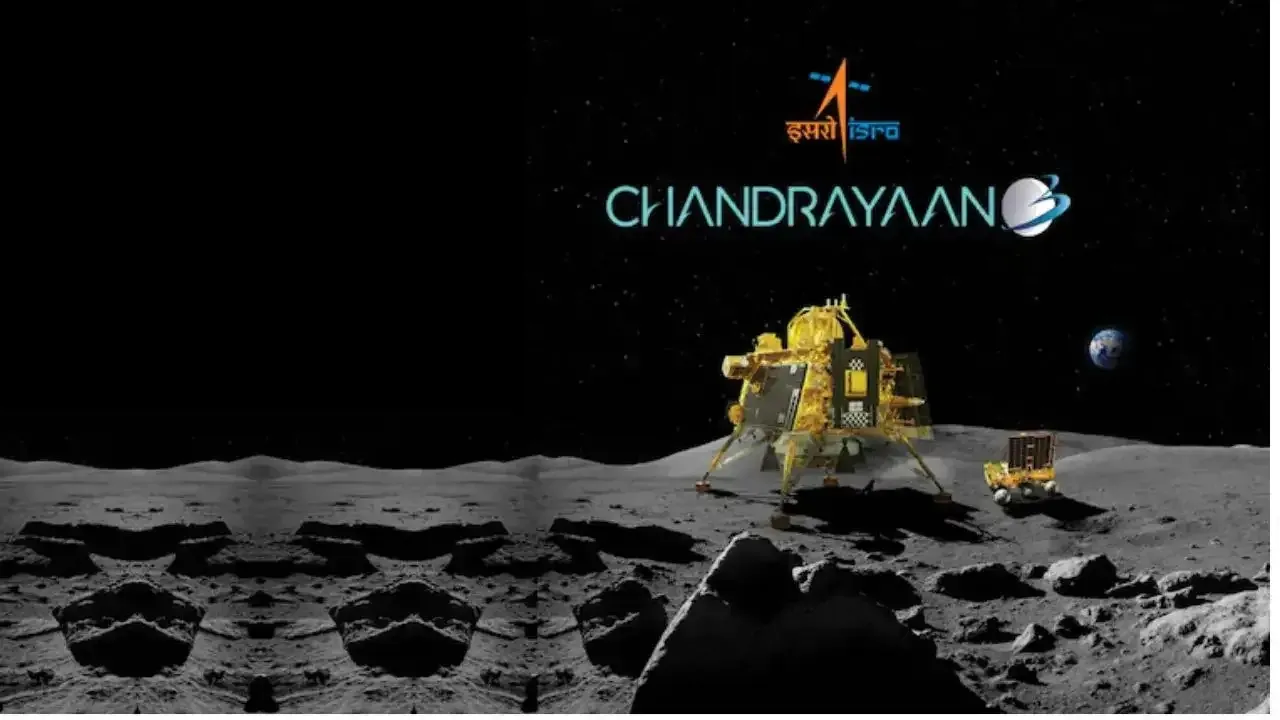
India's Chandrayaan-3 mission conducted a brief 'hop' maneuver with its Vikram lander using leftover fuel, revealing new insights into the Moon's south pole surface. This 50-centimeter jump exposed a two-layer lunar soil structure: a loose upper dust layer and a denser, insulating lower layer with distinct thermal properties. These findings, published in The Astrophysical Journal, enhance understanding of lunar regolith heterogeneity and may inform future missions, including NASA's Artemis program.
Political Bias
0%100%0%
Sentiment
75%
AI Analysis
Political bias across 2 sources
● Left 0%● Center 100%● Right 0%
The articles present a scientific and technical perspective on Chandrayaan-3's findings without evident political framing. Coverage focuses on India's space agency achievements and their implications for international lunar exploration, including NASA's Artemis program. Both sources emphasize scientific discovery and collaboration, reflecting a neutral stance centered on space research rather than political viewpoints.
Sentiment — Positive (75/100)
The tone across the articles is positive and informative, highlighting the unexpected success and scientific value of the hop experiment. The coverage conveys enthusiasm about the mission's contributions to lunar science and future exploration, without exaggeration or criticism, maintaining an optimistic yet factual sentiment.
How 2 sources covered this story
Each source's own headline, political lean, and sentiment — so you can see framing differences at a glance.
| Source | Their headline | Bias | Sentiment |
|---|---|---|---|
| timesnow | ISRO's Chandrayaan-3 Hop Experiment Could Change Future Moon Missions, Here's Why | Center | Positive |
| swarajyamag | Chandrayaan-3 Hop Experiment Reveals Two-Layer Lunar Soil Structure At Moon's South Pole | Center | Positive |
Coverage timeline
swarajyamag broke this story on 20 May, 09:31 am. Other outlets followed.
- 1swarajyamag20 May, 09:31 amChandrayaan-3 Hop Experiment Reveals Two-Layer Lunar Soil Structure At Moon's South Pole
- 2timesnow20 May, 11:12 amISRO's Chandrayaan-3 Hop Experiment Could Change Future Moon Missions, Here's Why
Lens Score breakdown
29/100
Public interest0/100
Coverage gap100%
Well-covered story — coverage matches public importance.
Who's involved
Institutions and figures named across source coverage.
Government
Indian Space Research Organisation
Story context
- Category
- Tech
- Location
- India
- Sources analysed
- 2
- Last analysed
- 20 May 2026
- Key entities
- Chandrayaan-3Chandrayaan-2Lander (spacecraft)MoonLunar south poleSoft landing (aeronautics)Indian Space Research OrganisationSpacecraftNASALunar soilThe Astrophysical JournalWeighing scale
Related Coverage
Select a news story to see related coverage from other media outlets.