12 hours agoTech
35LENS
2 Sources
 thebalanced.news
Google Introduces AI-Generated Image Detection in Chrome and Search
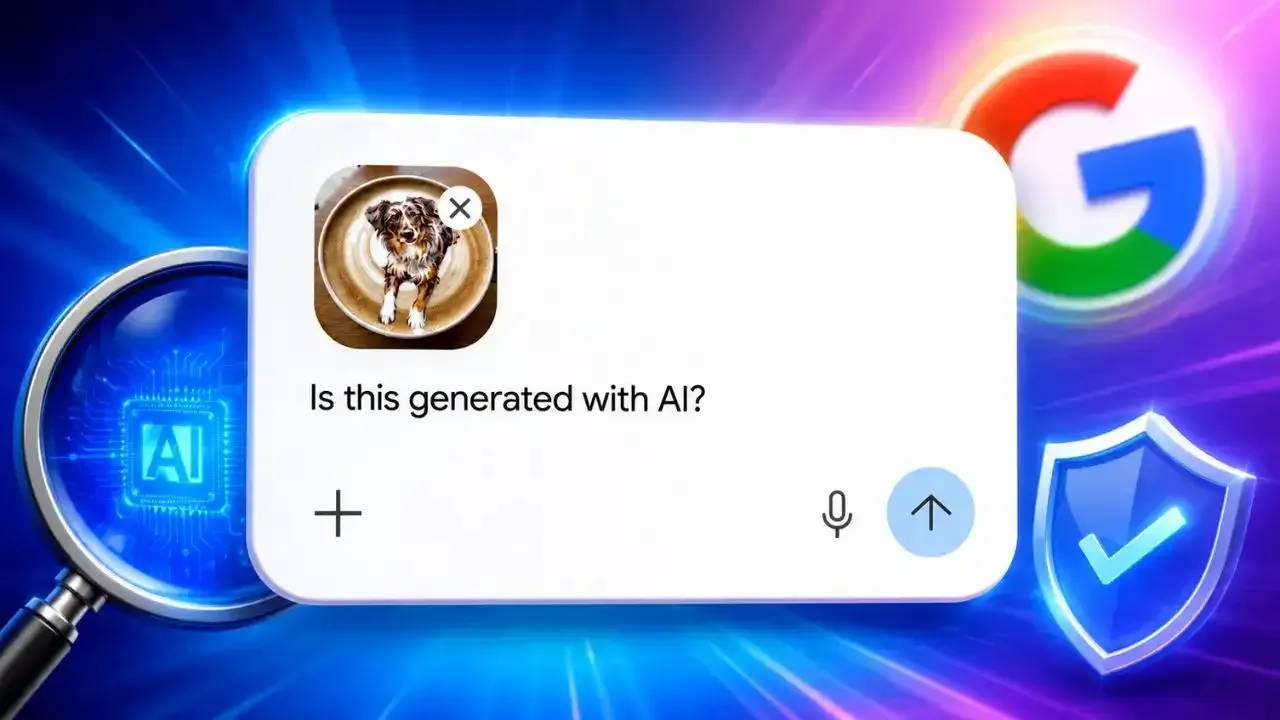
At Google I/O 2026, Google announced new tools integrated into Chrome and Google Search to detect AI-generated and edited images using SynthID, an invisible watermarking technology developed by Google DeepMind. Users can verify images directly by right-clicking in Chrome or using features like Circle to Search on supported devices. This aims to help users identify AI content and deepfakes easily, addressing concerns about misinformation without requiring technical expertise.
Political Bias
0%100%0%
Sentiment
75%
AI Analysis
Political bias across 2 sources
● Left 0%● Center 100%● Right 0%
The articles present a technology-focused narrative without political framing, emphasizing Google's product updates and efforts to combat misinformation. Both sources highlight Google's official announcements and technical details, reflecting a neutral, informational perspective without partisan viewpoints or political commentary.
Sentiment — Positive (75/100)
The tone across the articles is largely neutral to positive, focusing on the benefits of new detection tools for users. Coverage emphasizes Google's proactive approach to addressing AI-generated content concerns, with no critical or negative sentiment evident. The overall sentiment supports technological advancement and user empowerment.
How 2 sources covered this story
Each source's own headline, political lean, and sentiment — so you can see framing differences at a glance.
| Source | Their headline | Bias | Sentiment |
|---|---|---|---|
| thefinancialexpress | Google I O 2026: Google Search and Chrome can now identify AI-generated images - Here's how | Center | Positive |
| timesnow | Google Chrome And Search Will Soon Detect AI-Generated Images, Here's How | Center | Positive |
Coverage timeline
timesnow broke this story on 19 May, 06:54 pm. Other outlets followed.
- 1timesnow19 May, 06:54 pmGoogle Chrome And Search Will Soon Detect AI-Generated Images, Here's How
- 2thefinancialexpress20 May, 07:26 amGoogle I O 2026: Google Search and Chrome can now identify AI-generated images - Here's how
Lens Score breakdown
35/100
Public interest0/100
Coverage gap100%
Story is receiving appropriate media attention relative to public interest.
Who's involved
Institutions and figures named across source coverage.
Corporate
GoogleNVIDIAElevenLabsKakaoGoogle DeepMindOpenAI
Story context
- Category
- Tech
- Sources analysed
- 2
- Last analysed
- 20 May 2026
- Key entities
- OGoogleDeepfakeGoogle ChromeWeb browserDeepMindArtificial intelligenceMisinformationMetadataAndroid (operating system)PixelGenerative artificial intelligence
Related Coverage
Select a news story to see related coverage from other media outlets.