1 hour agoTech
33LENS
2 SourcesJapan
 thebalanced.news
Japan Airlines Trials Humanoid Robots for Luggage Handling at Tokyo Haneda Airport
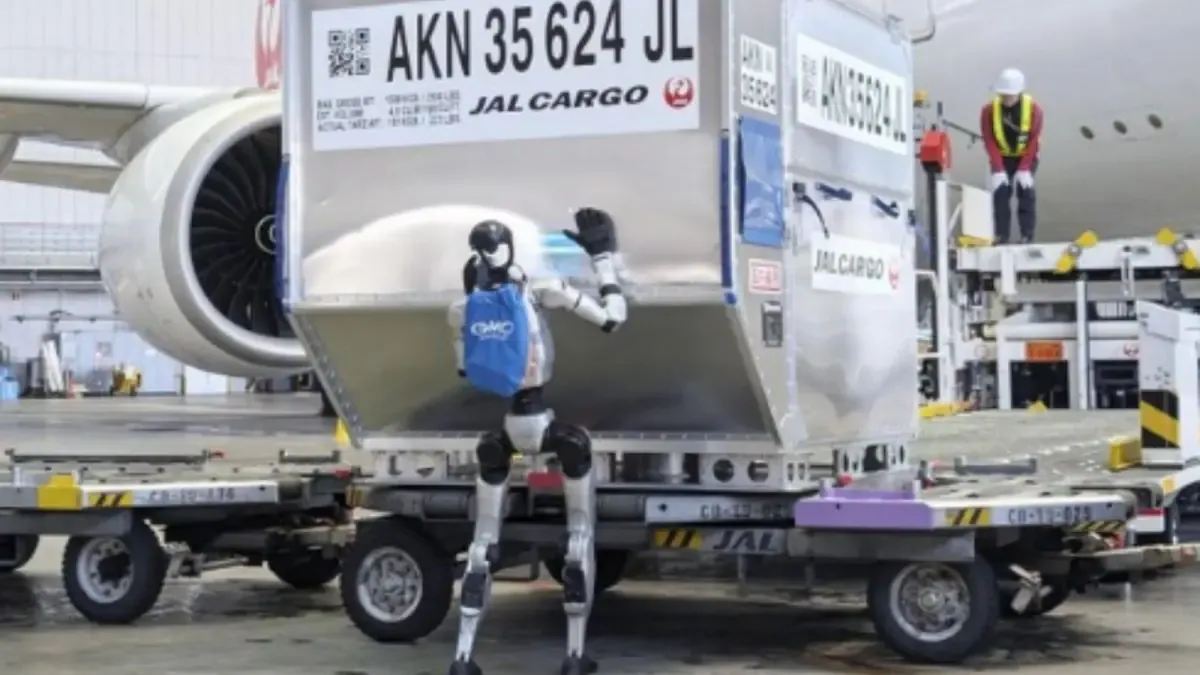
Japan Airlines is trialing Chinese-made humanoid robots at Tokyo's Haneda Airport from May to assist with luggage and cargo handling amid rising tourism and labor shortages. Standing about 130cm tall, these robots perform physically demanding tasks to reduce worker burden but do not handle safety or operational oversight, which remain human responsibilities. The initiative, in partnership with GMO Internet Group, reflects Japan's effort to address workforce challenges while maintaining safety standards during a tourism surge.
Political Bias
5%93%2%
Sentiment
70%
AI Analysis
Political bias across 2 sources
● Left 5%● Center 93%● Right 2%
The articles present a largely neutral perspective focused on technological and labor developments without political framing. They highlight Japan Airlines' initiative and demographic challenges without partisan commentary. The coverage includes viewpoints from company officials and industry context, maintaining an informative tone without political bias.
Sentiment — Positive (70/100)
The overall sentiment is cautiously positive, emphasizing the potential benefits of humanoid robots in easing labor shortages and reducing worker strain. While acknowledging limitations and the continued role of humans in safety tasks, the tone reflects optimism about technological support amid Japan's tourism growth and workforce challenges.
How 2 sources covered this story
Each source's own headline, political lean, and sentiment — so you can see framing differences at a glance.
| Source | Their headline | Bias | Sentiment |
|---|---|---|---|
| news18 | Humanoid Robots May Soon Become Baggage Handlers At Japan Airport To 'Reduce Burden On Workers' | Center | Positive |
| firstpost | Japan tests humanoid robots at Tokyo Haneda Airport to tackle labour shortage crisis | Center | Positive |
Coverage timeline
firstpost broke this story on 28 Apr, 08:58 am. Other outlets followed.
- 1firstpost28 Apr, 08:58 amJapan tests humanoid robots at Tokyo Haneda Airport to tackle labour shortage crisis
- 2news1828 Apr, 05:14 pmHumanoid Robots May Soon Become Baggage Handlers At Japan Airport To 'Reduce Burden On Workers'
Lens Score breakdown
33/100
Public interest0/100
Coverage gap100%
Well-covered story — coverage matches public importance.
Who's involved
Institutions and figures named across source coverage.
Corporate
Japan Airlines GMO Internet GroupGMO Internet GroupUnitreeJapan AirlinesUnitree Robotics
Story context
- Category
- Tech
- Location
- Japan
- Sources analysed
- 2
- Last analysed
- 28 Apr 2026
- Key entities
- Humanoid robotJapan AirlinesRobotHaneda AirportJapanTourismHumanoidAsphalt concreteGenetically modified organismInternetYoshiteru SuzukiRobotics
Related Coverage
Select a news story to see related coverage from other media outlets.