1 hour agoTech
32LENS
2 SourcesMaryland, United States
 thebalanced.news
NASA Releases Detailed Map Highlighting Nearly 6,000 Exoplanets from TESS Mission
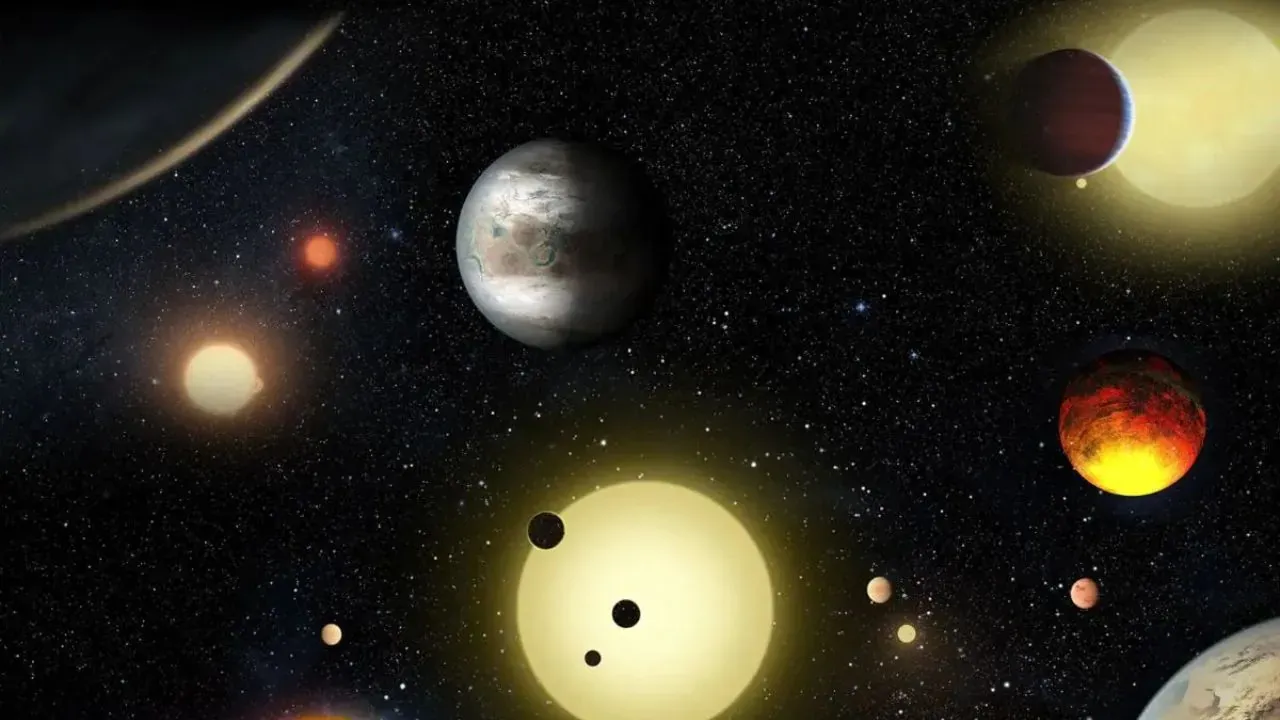
NASA has released its most detailed map of the night sky from the Transiting Exoplanet Survey Satellite (TESS), showcasing nearly 6,000 confirmed and candidate exoplanets discovered since 2018. The map combines observations from 96 sky sectors over eight years, highlighting planets ranging from Mercury-sized to larger than Jupiter. Some exoplanets lie in habitable zones, aiding the search for life beyond Earth. This milestone reflects global progress since the first exoplanet discovery in 1995.
Political Bias
0%100%0%
Sentiment
75%
AI Analysis
Political bias across 2 sources
● Left 0%● Center 100%● Right 0%
The articles present a scientific and informational perspective focused on NASA's achievements in exoplanet discovery without political framing. Both sources emphasize the mission's technical details and scientific significance, reflecting a neutral stance centered on space exploration and research advancements.
Sentiment — Positive (75/100)
The tone across the articles is positive and informative, celebrating NASA's milestone in mapping exoplanets. The coverage highlights scientific progress and the potential for discovering habitable worlds, conveying enthusiasm for space research without sensationalism or criticism.
How 2 sources covered this story
Each source's own headline, political lean, and sentiment — so you can see framing differences at a glance.
| Source | Their headline | Bias | Sentiment |
|---|---|---|---|
| moneycontrol | NASA uncovers 6,000 distant planets in stunning new view of the universe- Moneycontrol.com | Center | Positive |
| ndtv | NASA Shares Detailed Space Map Highlighting Nearly 6,000 Exoplanets | Center | Positive |
Coverage timeline
ndtv broke this story on 15 May, 01:40 pm. Other outlets followed.
- 1ndtv15 May, 01:40 pmNASA Shares Detailed Space Map Highlighting Nearly 6,000 Exoplanets
- 2moneycontrol16 May, 06:56 amNASA uncovers 6,000 distant planets in stunning new view of the universe- Moneycontrol.com
Lens Score breakdown
32/100
Public interest0/100
Coverage gap100%
Well-covered story — coverage matches public importance.
Who's involved
Institutions and figures named across source coverage.
Government
University of Maryland Baltimore CountyNASANASA Goddard Space Flight Center
Story context
- Category
- Tech
- Location
- Maryland, United States
- Sources analysed
- 2
- Last analysed
- 16 May 2026
- Key entities
- ExoplanetTransiting Exoplanet Survey SatelliteNASASolar SystemExtraterrestrial lifeJupiterArtificial intelligenceEarthNight skyGalaxyTelescopeGas giant
Related Coverage
Select a news story to see related coverage from other media outlets.