22 hours agoTech
36LENS
2 Sources
 thebalanced.news
NASA Supports ESA's Rosalind Franklin Mars Rover Mission Launching in 2028
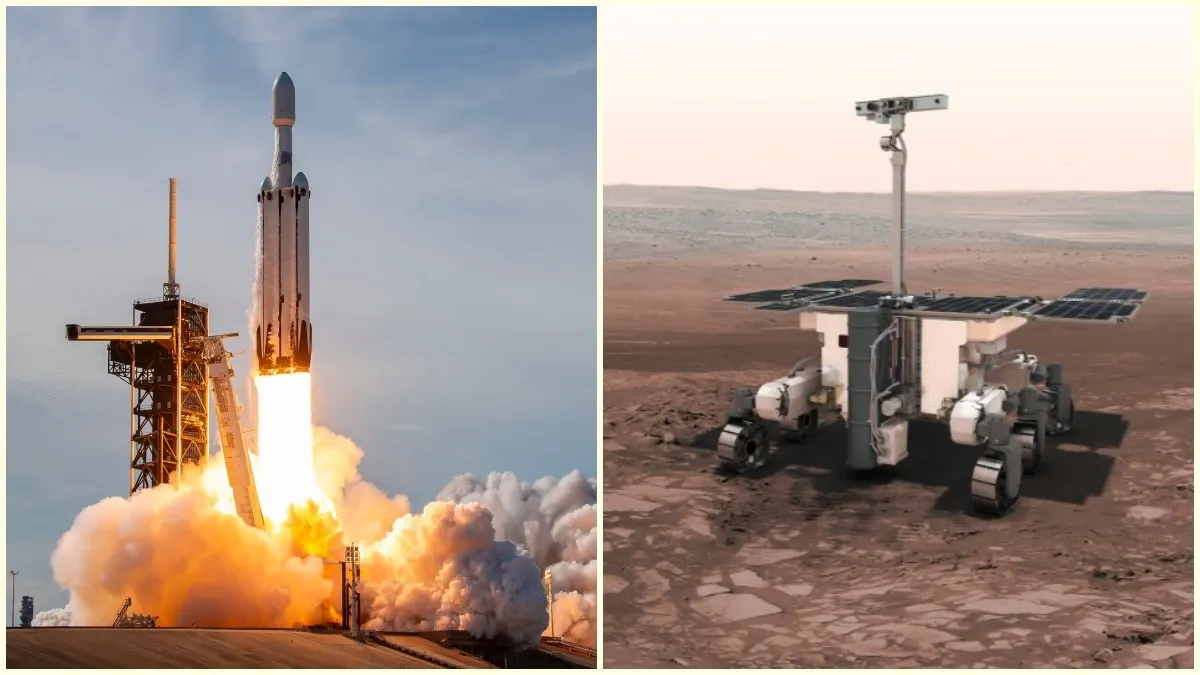
NASA has approved the implementation phase of the Rosalind Franklin Support and Augmentation (ROSA) project, enhancing its collaboration with the European Space Agency on the Rosalind Franklin Mars rover mission scheduled for launch in 2028 aboard SpaceX's Falcon Heavy rocket. The rover will explore Oxia Planum, drilling up to two meters beneath the surface to search for signs of past or present microbial life. NASA will provide launch services, landing support, heating units, and scientific instruments, including a mass spectrometer, to aid the mission's objectives.
Political Bias
0%100%0%
Sentiment
75%
AI Analysis
Political bias across 2 sources
● Left 0%● Center 100%● Right 0%
The articles present a cooperative international space exploration effort between NASA and ESA, focusing on scientific and technological collaboration without political framing. Both sources emphasize the partnership and technical contributions, avoiding partisan or ideological perspectives, reflecting a neutral stance centered on space mission developments.
Sentiment — Positive (75/100)
Coverage across the articles is positive and forward-looking, highlighting progress and milestones in the Mars rover mission. The tone is optimistic about scientific discovery and international cooperation, with no negative or critical sentiment evident, reflecting enthusiasm for the mission's potential.
How 2 sources covered this story
Each source's own headline, political lean, and sentiment — so you can see framing differences at a glance.
| Source | Their headline | Bias | Sentiment |
|---|---|---|---|
| moneycontrol | NASA begins implementation for ESA's Rosalind Franklin Mission to Mars: Launch, rover goals, and more- Moneycontrol.com | Center | Positive |
| indiatoday | Musk's SpaceX to launch Rosalind Franklin rover to Mars aboard Falcon Heavy in 2028 | Center | Positive |
Coverage timeline
indiatoday broke this story on 17 Apr, 05:47 am. Other outlets followed.
- 1indiatoday17 Apr, 05:47 amMusk's SpaceX to launch Rosalind Franklin rover to Mars aboard Falcon Heavy in 2028
- 2moneycontrol17 Apr, 09:53 amNASA begins implementation for ESA's Rosalind Franklin Mission to Mars: Launch, rover goals, and more- Moneycontrol.com
Lens Score breakdown
36/100
Public interest0/100
Coverage gap100%
Story is receiving appropriate media attention relative to public interest.
Who's involved
Institutions and figures named across source coverage.
Government
NASA Launch Services ProgramKennedy Space CenterEuropean Space AgencyNASA
Corporate
SpaceX
Story context
- Category
- Tech
- Sources analysed
- 2
- Last analysed
- 17 Apr 2026
- Key entities
- Rosalind FranklinNASAMarsRover (space exploration)European Space AgencyFalcon HeavySpaceXRocketRadioisotope heater unitMass spectrometryMars roverRadiation
Related Coverage
Select a news story to see related coverage from other media outlets.