2 hours agoTech
29LENS
2 Sources
 thebalanced.news
NASA's Perseverance Rover Images Ancient 'Crocodile Bridge' Rock Formation on Mars
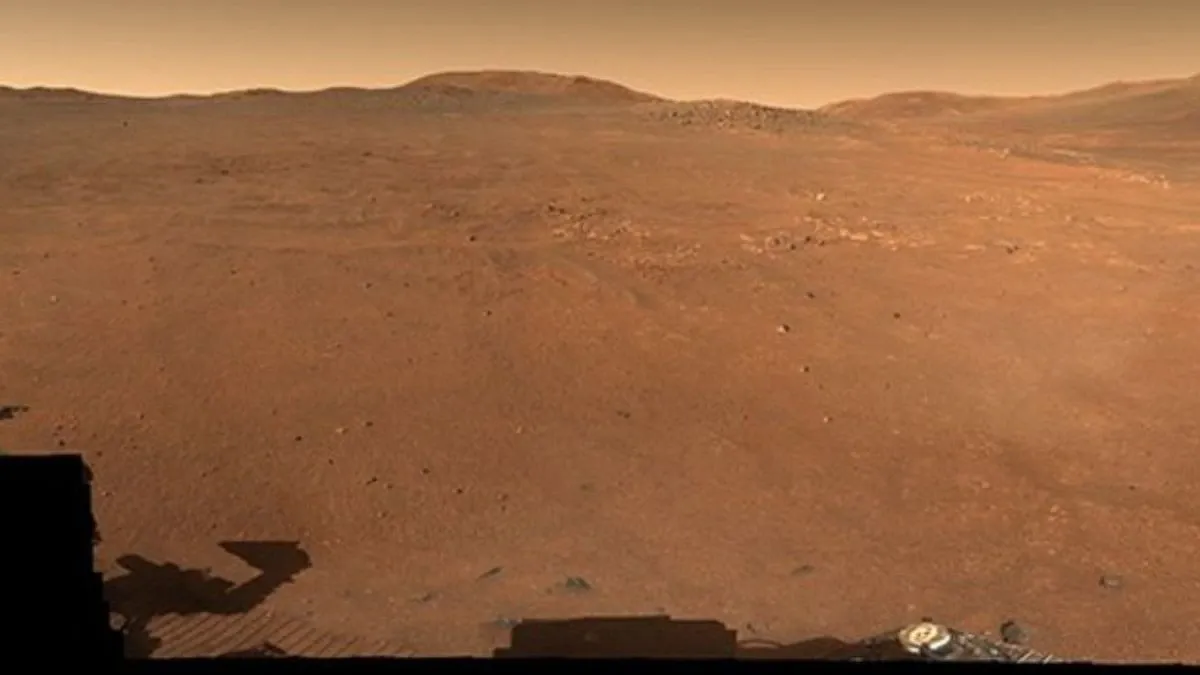
NASA's Perseverance rover has captured detailed images of a rock formation on Mars called 'Crocodile Bridge,' located along the rim of Jezero Crater. This ancient, arch-shaped structure is part of a geologically significant area containing some of the oldest rocks in the solar system. Scientists hope studying this region, which was once a lake, will provide insights into Mars's early history, including its past climate and potential habitability. The name is an informal designation used by the mission team for identification.
Political Bias
0%100%0%
Sentiment
75%
AI Analysis
Political bias across 2 sources
● Left 0%● Center 100%● Right 0%
The articles present a scientific and exploratory perspective focused on NASA's Mars mission without political framing. Both sources emphasize the geological significance of the discovery and NASA's ongoing research efforts. There is no evident political bias, as the coverage centers on factual reporting of the rover's findings and scientific objectives.
Sentiment — Positive (75/100)
The tone across the articles is positive and informative, highlighting the excitement and importance of the discovery. The language conveys curiosity and anticipation about what the ancient rocks might reveal about Mars's history, reflecting an optimistic outlook on scientific exploration without sensationalism.
How 2 sources covered this story
Each source's own headline, political lean, and sentiment — so you can see framing differences at a glance.
| Source | Their headline | Bias | Sentiment |
|---|---|---|---|
| moneycontrol | Is this Mars' oldest secret? NASA's Perseverance rover finds 'Crocodile Bridge' in Jezero Crater- Moneycontrol.com | Center | Positive |
| indiatoday | There is a Crocodile Bridge on Mars. Yes, you read that right | Center | Positive |
Coverage timeline
indiatoday broke this story on 6 May, 09:38 am. Other outlets followed.
- 1indiatoday6 May, 09:38 amThere is a Crocodile Bridge on Mars. Yes, you read that right
- 2moneycontrol6 May, 10:24 amIs this Mars' oldest secret? NASA's Perseverance rover finds 'Crocodile Bridge' in Jezero Crater- Moneycontrol.com
Lens Score breakdown
29/100
Public interest0/100
Coverage gap100%
Well-covered story — coverage matches public importance.
Who's involved
Institutions and figures named across source coverage.
Government
NASA
Story context
- Category
- Tech
- Sources analysed
- 2
- Last analysed
- 6 May 2026
- Key entities
- Perseverance (rover)Jezero (crater)MarsCrocodile BridgeMastcam-ZRover (space exploration)NASAEarthGeologyRock (geology)Solar SystemStereo camera
Related Coverage
Select a news story to see related coverage from other media outlets.