2 hours agoTech
33LENS
2 SourcesChina
 thebalanced.news
China's Chang'e-7 Mission to Survey Moon's South Pole Ahead of Planned Crewed Landing
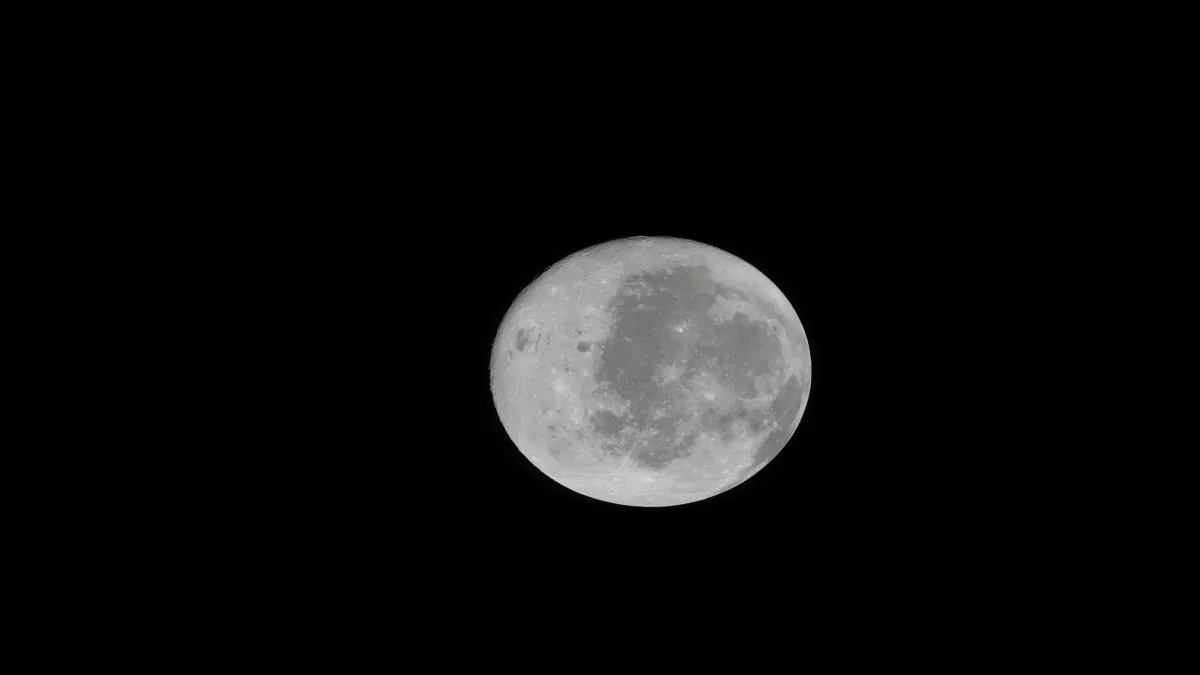
China's Chang'e-7 lunar mission, scheduled for launch later this year, will explore the Moon's south pole through orbiting, landing, roving, and hopping to survey the environment and resources, including searching for water ice. The mission aims to assess the region for a future research base. This follows India's 2023 successful landing near the south pole. China plans a crewed lunar landing by 2030, integrating its manned and unmanned lunar exploration efforts into a unified project.
Political Bias
0%100%0%
Sentiment
72%
AI Analysis
Political bias across 2 sources
● Left 0%● Center 100%● Right 0%
The articles present a factual overview of China's lunar exploration plans alongside India's recent achievements, reflecting a neutral stance without political framing. Both sources emphasize scientific and exploratory aspects, highlighting China's integration of crewed and robotic missions and India's prior landing, without favoring any national perspective or political agenda.
Sentiment — Positive (72/100)
The tone across the articles is informative and neutral, focusing on technological progress and exploration goals. There is no evident positive or negative sentiment; instead, the coverage highlights ongoing developments and future plans in lunar research, maintaining an objective and factual narrative.
How 2 sources covered this story
Each source's own headline, political lean, and sentiment — so you can see framing differences at a glance.
| Source | Their headline | Bias | Sentiment |
|---|---|---|---|
| firstpost | China's new lunar mission to conduct research in Moon's south pole | Center | Positive |
| economictimes | China's new lunar mission will conduct environment and resource surveys of Moon's south pole | Center | Positive |
Coverage timeline
economictimes broke this story on 23 May, 07:49 am. Other outlets followed.
- 1economictimes23 May, 07:49 amChina's new lunar mission will conduct environment and resource surveys of Moon's south pole
- 2firstpost23 May, 08:48 amChina's new lunar mission to conduct research in Moon's south pole
Lens Score breakdown
33/100
Public interest0/100
Coverage gap100%
Well-covered story — coverage matches public importance.
Who's involved
Institutions and figures named across source coverage.
Government
China Manned Space AgencyState-run Xinhua News AgencyChina Manned Space Agency spokespersonState-run Xinhua news agency
Story context
- Category
- Tech
- Location
- China
- Sources analysed
- 2
- Last analysed
- 23 May 2026
- Key entities
- Lunar south poleMoonChinaChina Manned Space AgencyExploration of the MoonRobotIceHainanMoon landingRover (space exploration)Far side of the MoonLander (spacecraft)
Related Coverage
Select a news story to see related coverage from other media outlets.