1 hour agoTech
33LENS
2 SourcesIndia
 thebalanced.news
ISRO Study Finds Solar Activity Speeds Up Decay of Space Debris in Low Earth Orbit
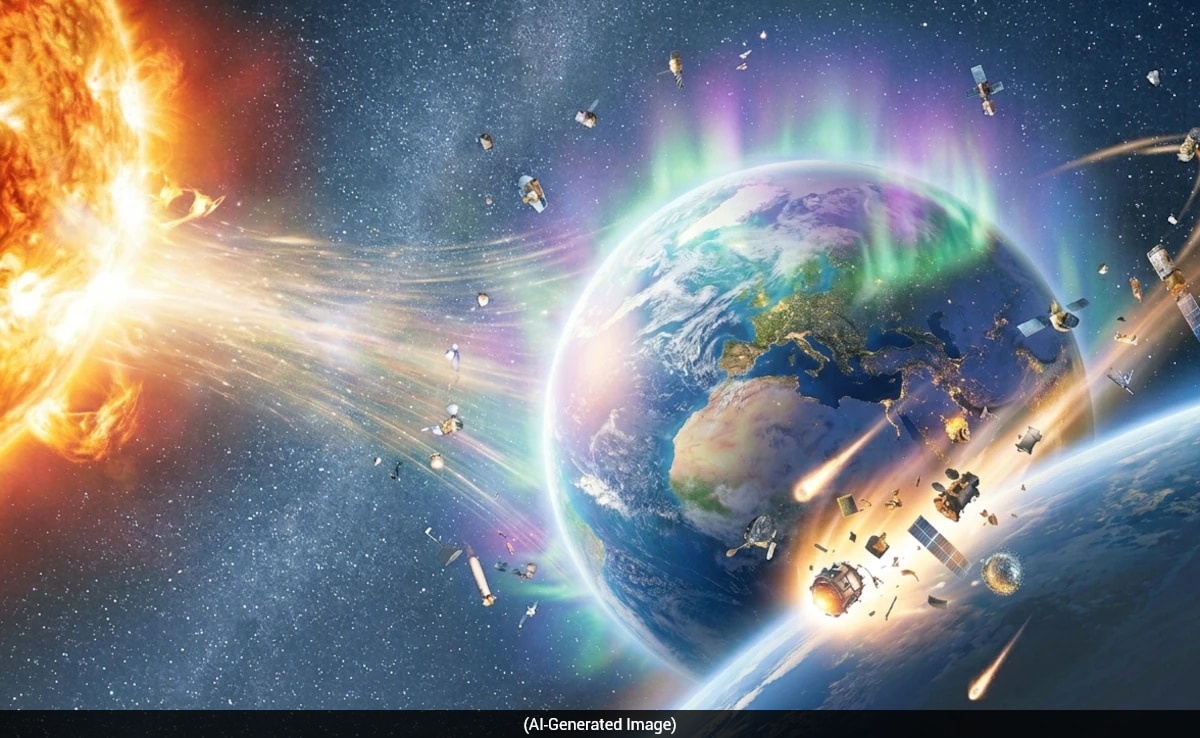
Scientists at ISRO's Vikram Sarabhai Space Centre have confirmed that increased solar activity accelerates the descent of old satellites and space debris from low Earth orbit. Tracking 17 objects over multiple solar cycles, they found that once solar activity reaches about two-thirds of its peak, atmospheric expansion causes greater drag, pulling debris into lower orbits faster. This finding, published in Frontiers in Astronomy and Space Sciences, may aid future space mission planning amid growing orbital congestion.
Political Bias
0%100%0%
Sentiment
72%
AI Analysis
Political bias across 2 sources
● Left 0%● Center 100%● Right 0%
The articles present a scientific study from ISRO without political framing, focusing on technical findings and implications for space operations. Both sources emphasize the research team's observations and potential benefits for space mission planning, reflecting a neutral, science-centered perspective without partisan viewpoints.
Sentiment — Positive (72/100)
Coverage across the articles is generally neutral to positive, highlighting a scientific discovery that could help manage space debris risks. The tone is informative and forward-looking, emphasizing the study's contribution to safer space activities without expressing alarm or criticism.
How 2 sources covered this story
Each source's own headline, political lean, and sentiment — so you can see framing differences at a glance.
| Source | Their headline | Bias | Sentiment |
|---|---|---|---|
| ndtv | ISRO Team Confirms Sun's Activity Is Forcing Old, Dead Satellites To Fall Back To Earth | Center | Positive |
| indiatoday | Isro team confirms Sun is making older, dead satellites crash on Earth | Center | Positive |
Coverage timeline
indiatoday broke this story on 6 May, 05:22 am. Other outlets followed.
- 1indiatoday6 May, 05:22 amIsro team confirms Sun is making older, dead satellites crash on Earth
- 2ndtv6 May, 07:58 amISRO Team Confirms Sun's Activity Is Forcing Old, Dead Satellites To Fall Back To Earth
Lens Score breakdown
33/100
Public interest0/100
Coverage gap100%
Well-covered story — coverage matches public importance.
Who's involved
Institutions and figures named across source coverage.
Government
IsroSpace Physics LaboratoryVikram Sarabhai Space Centre
Story context
- Category
- Tech
- Location
- India
- Sources analysed
- 2
- Last analysed
- 6 May 2026
- Key entities
- Solar cycleSpace debrisEarthAltitudeSunVikram Sarabhai Space CentreThermosphereOrbitLow Earth orbitAstronomyPhysicsEarth's orbit
Related Coverage
Select a news story to see related coverage from other media outlets.