3 hours agoTech
37LENS
2 SourcesUnited States
 thebalanced.news
EU Agrees to Delay High-Risk AI Rules and Ban Sexualized AI Deepfakes
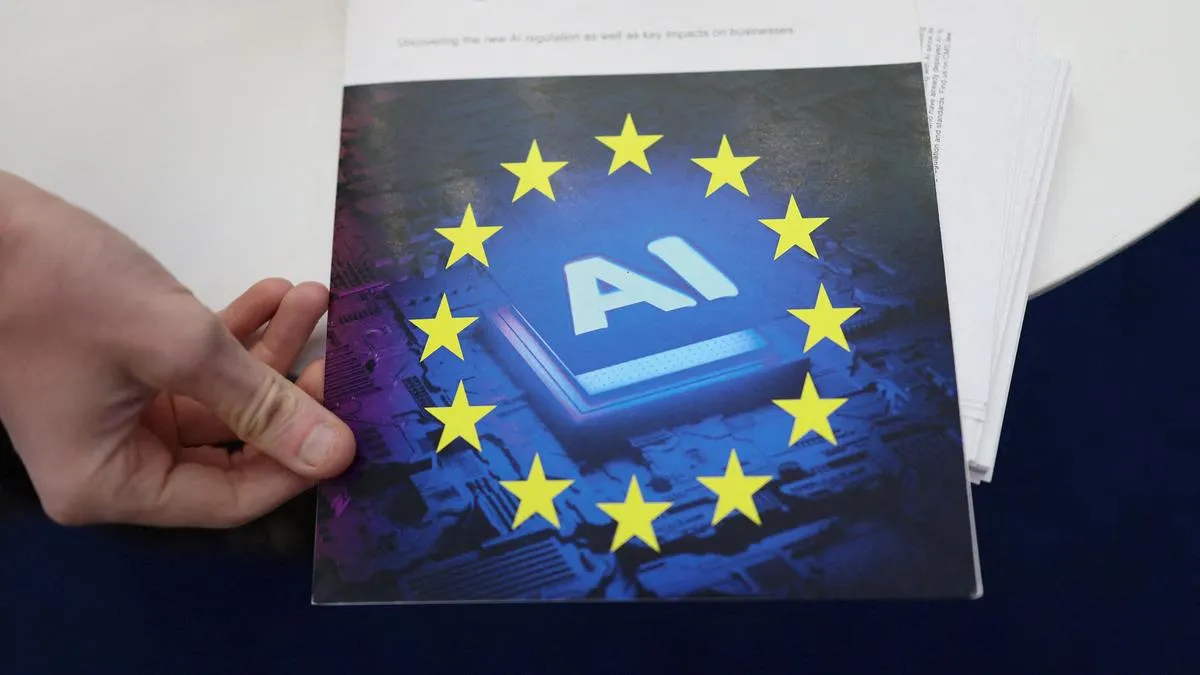
European Union lawmakers and member states have reached a provisional agreement to delay the implementation of high-risk AI regulations until December 2027, aiming to reduce administrative burdens and support business competitiveness. The updated AI Act includes a ban on AI-generated sexualized deepfakes and unauthorized explicit images, along with mandatory watermarking of AI outputs. The deal reflects efforts to balance innovation with safety, though some critics view it as a concession to industry pressures.
Political Bias
10%88%2%
Sentiment
62%
AI Analysis
Political bias across 2 sources
● Left 10%● Center 88%● Right 2%
The article group presents perspectives from EU lawmakers and officials emphasizing regulatory balance between innovation and safety, alongside business interests advocating for reduced administrative costs. It includes critical viewpoints suggesting the EU may be yielding to industry pressures. Overall, the coverage reflects a mix of governmental, regulatory, and business perspectives without favoring any political ideology.
Sentiment — Neutral (62/100)
The tone across the articles is generally neutral to cautiously optimistic, highlighting regulatory progress and protective measures against harmful AI uses. While acknowledging criticisms about the dilution of rules and delays, the coverage maintains a balanced view of the challenges in regulating emerging AI technologies and the need to support economic competitiveness.
How 2 sources covered this story
Each source's own headline, political lean, and sentiment — so you can see framing differences at a glance.
| Source | Their headline | Bias | Sentiment |
|---|---|---|---|
| thehindu | European Union strikes deal to ban sexualised AI deepfakes | Center | Neutral |
| economictimes | EU countries, lawmakers clinch provisional deal on watered-down AI rules - The Economic Times | Center | Neutral |
Coverage timeline
economictimes broke this story on 7 May, 05:20 am. Other outlets followed.
- 1economictimes7 May, 05:20 amEU countries, lawmakers clinch provisional deal on watered-down AI rules - The Economic Times
- 2thehindu7 May, 10:43 amEuropean Union strikes deal to ban sexualised AI deepfakes
Lens Score breakdown
37/100
Public interest0/100
Coverage gap100%
Story is receiving appropriate media attention relative to public interest.
Who's involved
Institutions and figures named across source coverage.
Government
European Union ExecutiveEuropean CommissionEU CouncilAI Regulation OfficeEuropean Parliament
Corporate
Big TechAnthropic
Political
European Parliament Lawmakers
Story context
- Category
- Tech
- Location
- United States
- Sources analysed
- 2
- Last analysed
- 7 May 2026
- Key entities
- Artificial intelligenceEuropean UnionDeepfakeChatbotElon MuskEuropeEuropean ParliamentComputer securityEuropean Union lawConsentCentrismChild sexual abuse
Related Coverage
Select a news story to see related coverage from other media outlets.