Budget 2026 Overhauls Share Buyback Taxation, Imposes Higher Rates on Promoters
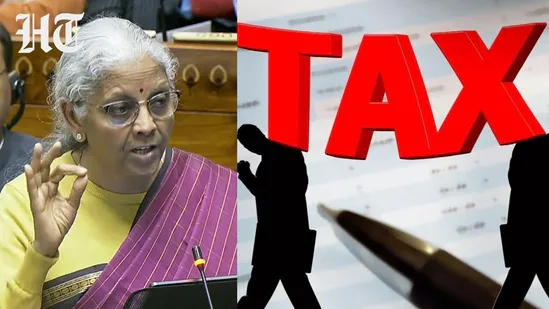
The Union Budget 2026-27 introduces a major reform in share buyback taxation, shifting from dividend-based to capital gains tax for all shareholders effective April 1, 2026. This change benefits minority and retail investors by taxing only actual gains, typically at 12.5% for long-term holdings. To prevent tax arbitrage, promoters face higher effective tax rates—22% for corporate and 30% for non-corporate promoters—maintaining their previous tax burden. The move aims to simplify tax treatment, protect minority shareholders, and discourage misuse of buybacks as a tax avoidance tool.
First-hand measurement across 15 sources
We measured how 15 outlets covered this story. Coverage leans balanced overall (Left 5%, Centre 93%, Right 2%). Overall sentiment is positive (64/100). Lens Score 24/100.
Outlets measured: indiatoday, thefinancialexpress, thefinancialexpress, economictimes, hindustantimes, hindustantimes, news18, thefinancialexpress, and 7 more. See how each one headlined and framed the same story in the source comparison below.
AI Analysis
All 15 outlets scored close to centre on political lean. The real divergence here is in emphasis, not lean — compare the headlines below to see how each outlet chose to frame the same facts.
Sentiment ranged widely across outlets — from 40/100 to 75/100 — a sign the coverage itself was contested, not just reported.
Coverage timeline
hindustantimes broke this story on 1 Feb, 03:27 pm. Other outlets followed.