Skip to content
Get the Balanced News app for a better experience!
The Balanced News Logo
Analytics
The Balanced News Logo

Stay Balanced, Stay Informed

Menu
  • Browse News
  • Underreported Stories
  • Curated Feeds
  • Insights
  • Analytics
  • Our Writers
  • About Us
  • Download App
Learn
  • How It Works
  • Bias Detection
  • Lens Score
  • Source Bias Checker
  • Accountability
  • Custom Feeds
Newsroom
  • Writers & Analysts
  • About TBN
  • Editorial Standards
  • Corrections Policy
  • Our Partners
  • Insights
Socials
  • Youtube
  • Instagram
  • X
  • Facebook
News Categories
  • Trending
  • Politics
  • Sports
  • Business
  • Tech
  • Entertainment
  • Health
  • Science
  • Crime
  • Lifestyle
  • National
  • International
  • Good News
  • Crypto

Get Our App

Available for iOS and Android


LensFeedsInsightsAnalyticsTrendingGood NewsSportsPoliticsBusinessCrimeTechEntertainmentHealthNationalInternational

© 2026 The Balanced News. All rights reserved.

About UsEditorial StandardsCorrectionsHelp & SupportPrivacy PolicyTerms & Conditions
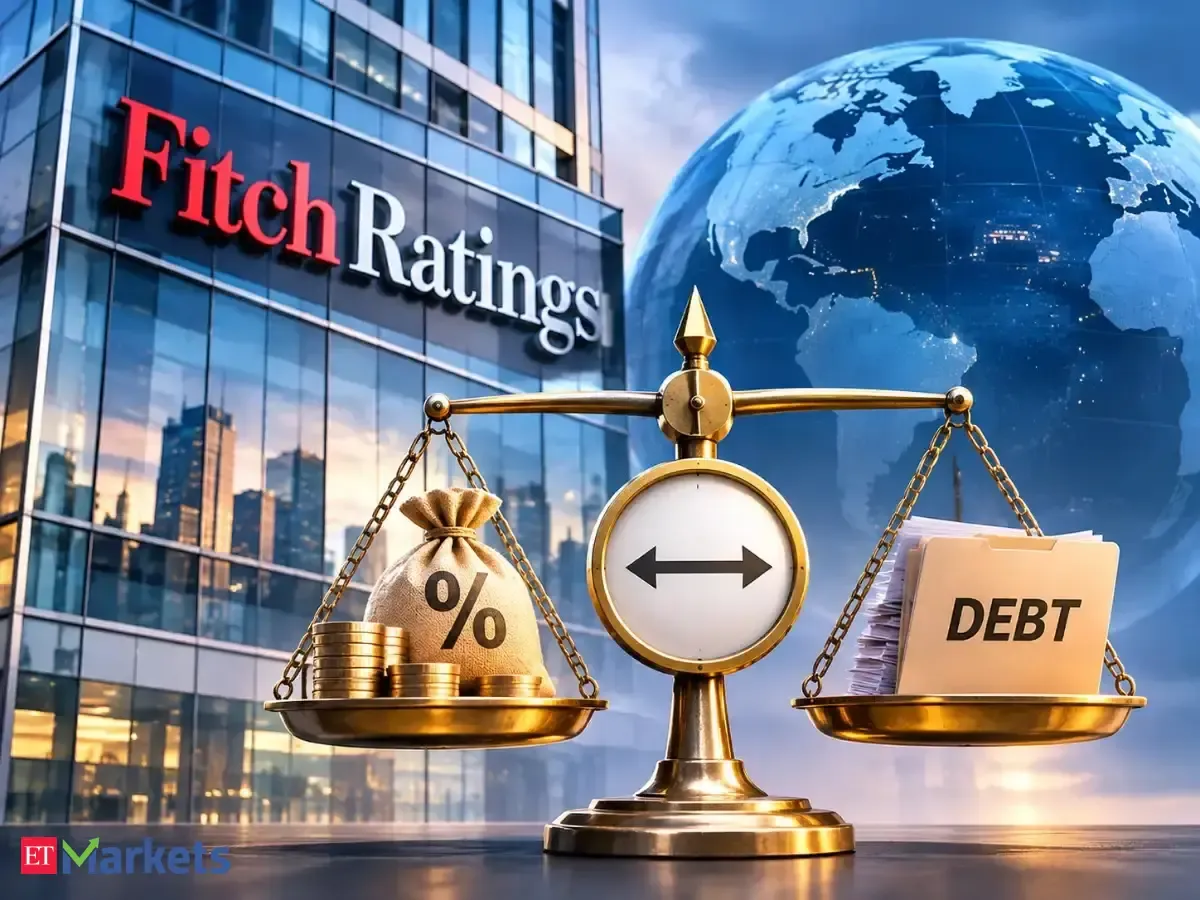
Fitch Maintains Neutral Global Sovereign Rating Outlook for 2027 Amid Debt and Geopolitical Risks
Categories

Categories

Related Coverage

Select a news story to see related coverage from other media outlets.

Related Coverage

Select a news story to see related coverage from other media outlets.

  1. Home
  2. /
  3. Business

Fitch Maintains Neutral Global Sovereign Rating Outlook for 2027 Amid Debt and Geopolitical Risks

Analysed 25 Nov 2026·2 sources analysed·United States·Business
Fitch Maintains Neutral Global Sovereign Rating Outlook for 2027 Amid Debt and Geopolitical RisksPreviousNext

Fitch Ratings has set a neutral outlook for global sovereign ratings in 2027, anticipating steady economic growth of about 2.5% supported by resilient US consumer spending and AI investment. However, risks include rising borrowing costs, record global government debt projected to reach $115 trillion, and geopolitical tensions, particularly in the Middle East. Fitch expects the US Federal Reserve to raise interest rates and maintain them through 2027, which could increase debt servicing costs and strain budgets, especially for highly indebted countries.

Sentiment
52%
TBN's observations

First-hand measurement across 2 sources

We measured how 2 outlets covered this story. No outlet gave this story a measurable political slant — there is no left–right reading to report. Overall sentiment is neutral (52/100). Lens Score 43/100.

Outlets measured: economictimes, economictimes. See how each one headlined and framed the same story in the source comparison below.

AI analysis of 2 sources · Published under editorial oversight by The Balanced News
Analysed 25 Nov 2026· How this analysis is produced· Editorial standards· Corrections

AI Analysis

Sentiment — Neutral (52/100)

Sentiment was consistent across outlets (52–52/100), indicating broadly factual reporting rather than editorialising.

Coverage timeline

economictimes broke this story on 24 Nov, 02:59 pm. Other outlets followed.

24 Nov, 02:59 pm2 sources · 15 h25 Nov, 05:55 am
AI analysis by the TBN Bias Engine · beat methodology byMrunal Wange· Business & Economy Editor· editorial standards byOjas Kale
← Previous
Global Digital Nomad Visa Trends and UK Net Migration Decline Reported
Next →
SG Mart Shares Fall 20% Ahead of Fundraising Board Meeting Amid Tata Steel Stake Acquisition
1
economictimes24 Nov, 02:59 pm
Fitch sets 'neutral' global sovereign rating outlook, warns of debt, war and AI risks
  • 2
    economictimes25 Nov, 05:55 am
    Fitch sets global sovereign ratings outlook at 'Neutral' for 2027 amid debt concerns
  • Who's involved

    Institutions and figures named across source coverage.

    Government
    Federal ReserveUnited States Federal Reserve

    Story context

    Category
    Business
    Location
    United States
    Sources analysed
    2
    Last analysed
    25 Nov 2026
    Key entities
    Fitch RatingsArtificial intelligenceSovereigntyPrice of oilCredit rating agencyEconomic growthInterest rateGross domestic productInflationMiddle EastPetroleumUnited States