Skip to content
Get the Balanced News app for a better experience!
The Balanced News Logo
Analytics
The Balanced News Logo

Stay Balanced, Stay Informed

Menu
  • Browse News
  • Underreported Stories
  • Curated Feeds
  • Insights
  • Analytics
  • Our Writers
  • About Us
  • Download App
Learn
  • How It Works
  • Bias Detection
  • Lens Score
  • Source Bias Checker
  • Accountability
  • Custom Feeds
Newsroom
  • Writers & Analysts
  • About TBN
  • Editorial Standards
  • Corrections Policy
  • Our Partners
  • Insights
Socials
  • Youtube
  • Instagram
  • X
  • Facebook
News Categories
  • Trending
  • Politics
  • Sports
  • Business
  • Tech
  • Entertainment
  • Health
  • Science
  • Crime
  • Lifestyle
  • National
  • International
  • Good News
  • Crypto

Get Our App

Available for iOS and Android


LensFeedsInsightsAnalyticsTrendingGood NewsSportsPoliticsBusinessCrimeTechEntertainmentHealthNationalInternational

© 2026 The Balanced News. All rights reserved.

About UsEditorial StandardsCorrectionsHelp & SupportPrivacy PolicyTerms & Conditions
India's Residential Rooftop Solar Capacity Exceeds 17.5 GW Amid Sector Challenges
Categories

Categories

Related Coverage

Select a news story to see related coverage from other media outlets.

Related Coverage

Select a news story to see related coverage from other media outlets.

  1. Home
  2. /
  3. Business

India's Residential Rooftop Solar Capacity Exceeds 17.5 GW Amid Sector Challenges

Analysed 7 Oct 2026·2 sources analysed·Uttar Pradesh, India·Business
India's Residential Rooftop Solar Capacity Exceeds 17.5 GW Amid Sector ChallengesPreviousNext

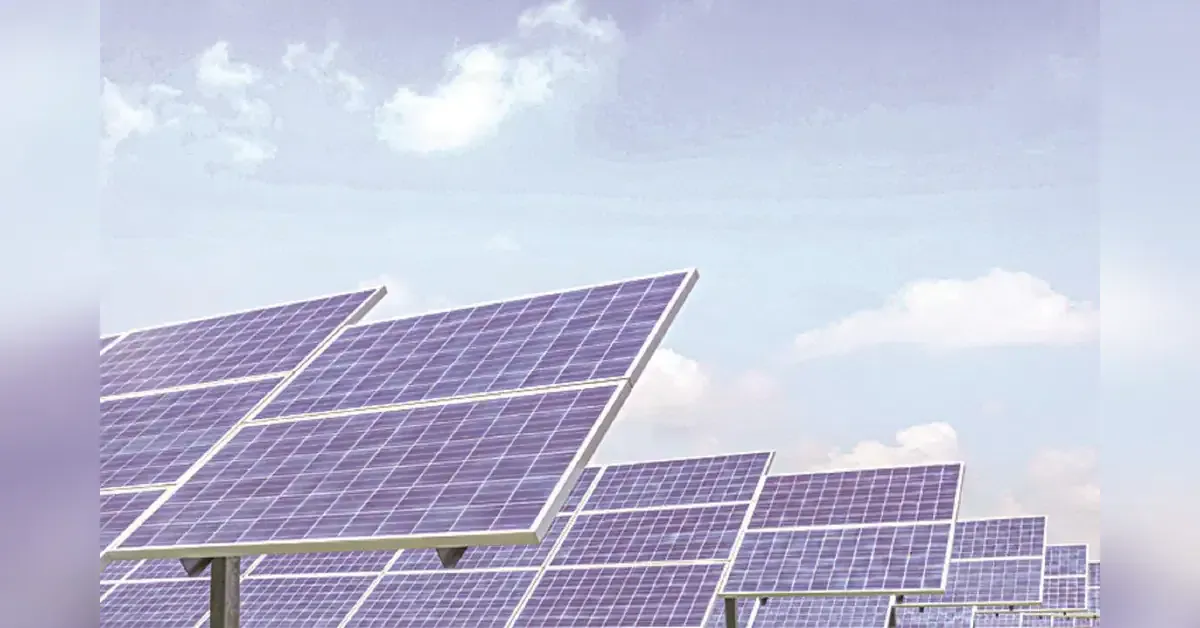
India's residential rooftop solar capacity under the PM Surya Ghar scheme surpassed 17.5 GW by September 2026, covering nearly 5.95 million households, though monthly additions declined for the second consecutive month. Uttar Pradesh, Maharashtra, and Gujarat led new installations. Meanwhile, India's overall solar sector faces challenges including US tariffs on solar cells, supply imbalances between modules and cells, and grid storage issues. Addressing these is crucial for meeting the 500 GW non-fossil capacity target by 2030.

Sentiment
56%
TBN's observations

First-hand measurement across 2 sources

We measured how 2 outlets covered this story. No outlet gave this story a measurable political slant — there is no left–right reading to report. Overall sentiment is neutral (56/100). Lens Score 38/100.

Outlets measured: businessstandard, mint. See how each one headlined and framed the same story in the source comparison below.

AI analysis of 2 sources · Published under editorial oversight by The Balanced News
Analysed 7 Oct 2026· How this analysis is produced· Editorial standards· Corrections

AI Analysis

Sentiment — Neutral (56/100)

Sentiment was consistent across outlets (55–58/100), indicating broadly factual reporting rather than editorialising.

Coverage timeline

mint broke this story on 7 Oct, 12:33 am. Other outlets followed.

7 Oct, 12:33 am2 sources · 6 h7 Oct, 07:00 am
  1. 1
AI analysis by the TBN Bias Engine · beat methodology byMrunal Wange· Business & Economy Editor· editorial standards byOjas Kale
← Previous
Top 'N Town Maintains Milk-Centered Ice Cream Philosophy After Five Decades
Next →
India Advances Circular Economy and Strengthens Plastic Waste Regulations
mint7 Oct, 12:33 am
US tariffs, missing cells, evening power gaps: inside India's solar energy bottlenecks Today News
  • 2
    businessstandard7 Oct, 07:00 am
    PM Surya Ghar crosses 17.5 GW; rooftop additions fall for 2nd month: Report
  • Who's involved

    Institutions and figures named across source coverage.

    Government
    Ministry of New and Renewable EnergyGovernment of India

    Story context

    Category
    Business
    Location
    Uttar Pradesh, India
    Sources analysed
    2
    Last analysed
    7 Oct 2026
    Key entities
    TariffIndian rupeeIndiaRooftop solar powerSuryaInflationRun batted inRepurchase agreementEconomic growthUttar PradeshUnited States House of RepresentativesGujarat