IEA Warns China’s Rare Earth Export Curbs Risk $6.5 Trillion in Global Industry
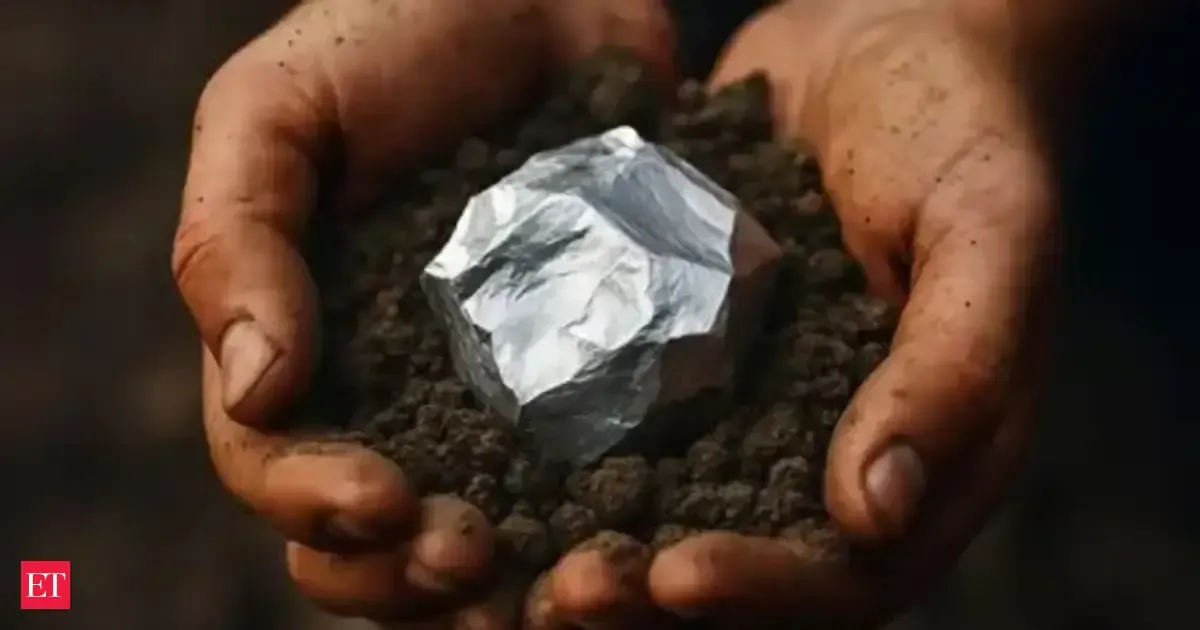
The International Energy Agency (IEA) warns that China's export restrictions on rare earth elements and graphite could threaten up to $6.5 trillion in global downstream industrial production, particularly impacting the US and Europe. These critical minerals are essential for sectors like automotive, aerospace, defense, electronics, and clean energy. The IEA recommends multilateral stockpiling of high-risk materials to mitigate supply chain vulnerabilities caused by concentrated production and export curbs.
First-hand measurement across 2 sources
We measured how 2 outlets covered this story. Coverage leans balanced overall (Left 5%, Centre 93%, Right 2%). Overall sentiment is neutral (42/100). Lens Score 25/100 — low public interest.
Outlets analysed (first-hand measurement by TBN's Bias Engine):
- economictimes— balanced framing, neutral sentiment
- firstpost— balanced framing, neutral sentiment
AI Analysis
The articles primarily present the International Energy Agency's perspective on China's export policies, highlighting concerns over supply chain risks without assigning blame. They reflect viewpoints emphasizing economic and geopolitical implications, focusing on Western industrial vulnerabilities. The coverage includes official statements and data, maintaining a neutral stance without partisan framing or overt criticism of China or affected countries.
The overall tone is cautionary and analytical, emphasizing potential risks and economic impacts without sensationalism. The coverage balances the seriousness of supply disruptions with pragmatic recommendations like stockpiling, resulting in a measured, informative sentiment. There is no overtly negative or positive bias, but rather a focus on highlighting vulnerabilities and proposing solutions.