Comparing Electric and CNG Cars for Indian Buyers: Costs, Convenience, and Break-even Analysis
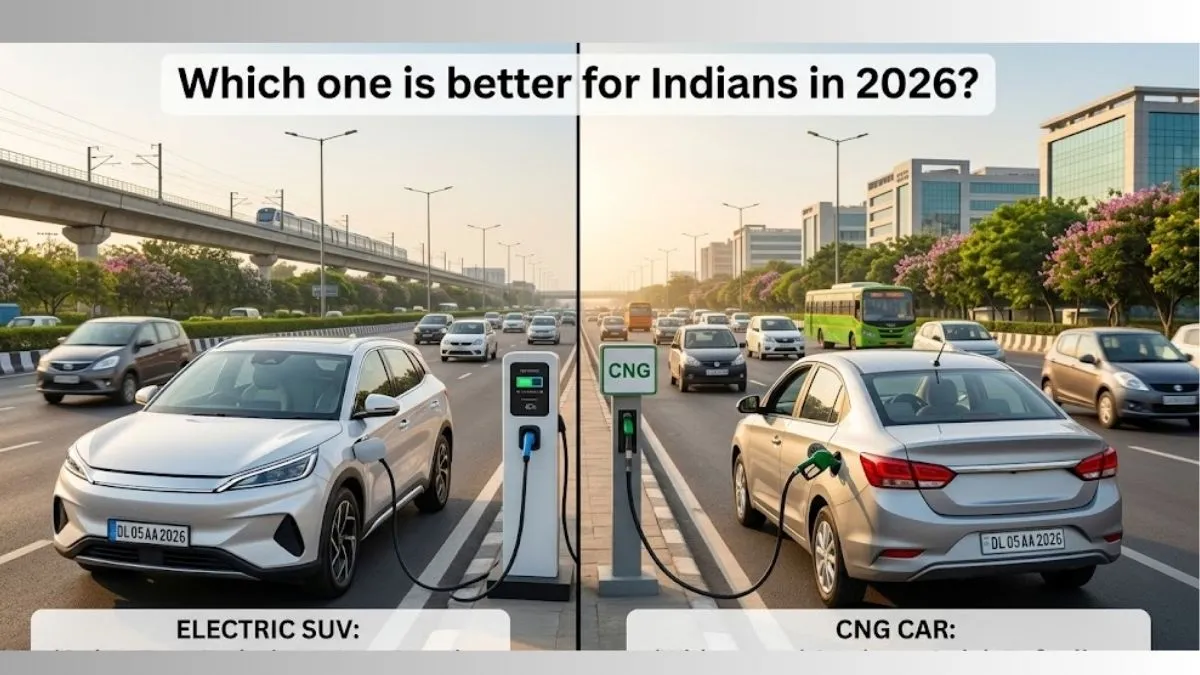
Electric vehicles (EVs) and CNG cars offer distinct advantages for Indian buyers in 2026. EVs provide lower running costs, zero tailpipe emissions, and smoother rides, benefiting daily city commuters with access to charging infrastructure and potential government incentives. Conversely, CNG cars have lower upfront costs, faster refuelling, and widespread fuel availability, appealing to families and long-distance drivers. Financial breakeven for EVs depends on factors like annual mileage, price difference with petrol cars, and charging convenience, with higher usage favoring EV cost-effectiveness.
First-hand measurement across 2 sources
We measured how 2 outlets covered this story. Coverage leans balanced overall (Left 0%, Centre 100%, Right 0%). Overall sentiment is neutral (62/100). Lens Score 21/100 — low public interest.
Outlets analysed (first-hand measurement by TBN's Bias Engine):
- indiatvnews— balanced framing, neutral sentiment
- zeenews— balanced framing, neutral sentiment
AI Analysis
The articles present a neutral comparison of electric and CNG vehicles without political framing. They focus on consumer considerations, economic factors, and environmental aspects, reflecting perspectives relevant to buyers and industry trends. No partisan viewpoints or political agendas are evident, emphasizing practical information over ideological positions.
The overall tone is balanced and informative, highlighting both benefits and limitations of EVs and CNG cars. The coverage is neither overly optimistic nor critical, providing factual data and analysis to help readers make informed decisions. Positive aspects like cost savings and environmental benefits are noted alongside challenges such as upfront costs and infrastructure constraints.
How 2 sources covered this story
Each source's own headline, political lean, and sentiment — so you can see framing differences at a glance.