RBI Reports Resilient Indian Banks Amid Rising NBFC Stress and AI Cybersecurity Risks
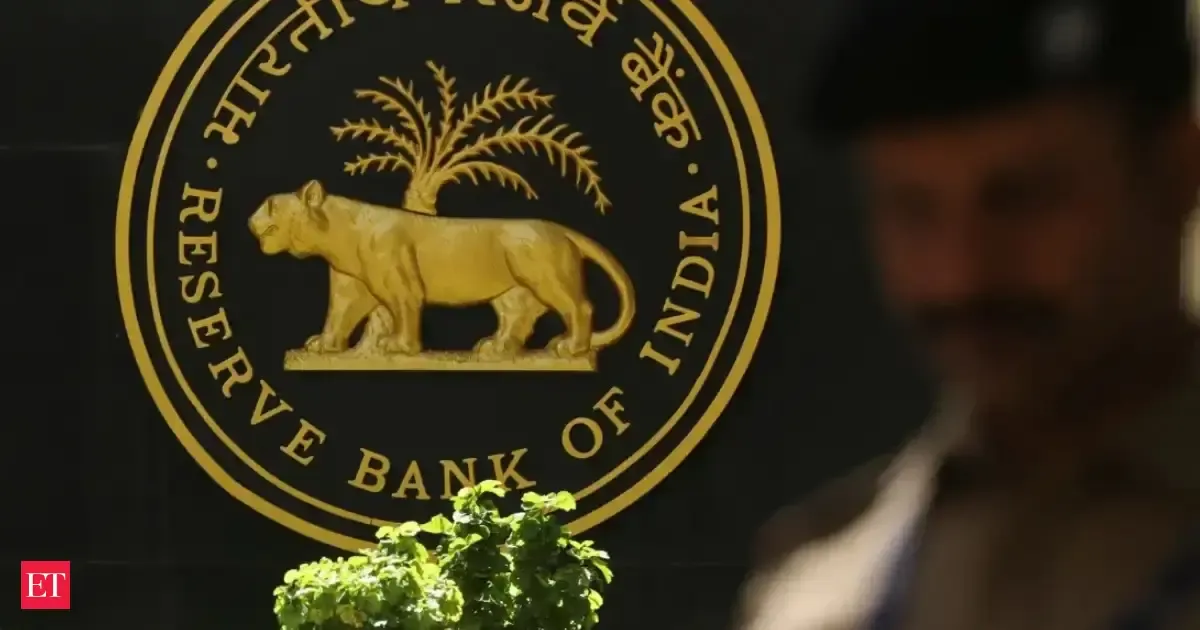
The Reserve Bank of India's June 2026 Financial Stability Report highlights that Indian banks' gross non-performing assets (GNPA) have reached a multi-decade low of 1.8% as of March 2026, with a modest rise to 1.9% projected by March 2028 under baseline conditions. Banks and non-banking financial companies (NBFCs) remain resilient with strong capital buffers and improving asset quality, though NBFCs face rising stressed assets and potential capital erosion. AI-enabled cyberattacks are identified as the most significant near-term financial risk, while funding pressures and geopolitical uncertainties pose ongoing challenges to financial stability.
First-hand measurement across 14 sources
We measured how 14 outlets covered this story. Coverage leans balanced overall (Left 6%, Centre 91%, Right 3%). Overall sentiment is neutral (58/100). Lens Score 33/100 — low public interest.
Outlets analysed (first-hand measurement by TBN's Bias Engine):
- indiatoday— balanced framing, neutral sentiment
- economictimes— balanced framing, positive sentiment
- mint— balanced framing, neutral sentiment
- businessstandard— balanced framing, neutral sentiment
- mint— balanced framing, neutral sentiment
- news18— balanced framing, neutral sentiment
- economictimes— balanced framing, neutral sentiment
- thetribune— balanced framing, neutral sentiment
AI Analysis
The article group presents a predominantly neutral and technical perspective focused on financial stability, with inputs from the Reserve Bank of India and financial analysts. It includes government and regulatory viewpoints emphasizing resilience and risk management without partisan framing. The coverage balances concerns about emerging risks like AI cyber threats and NBFC stress with affirmations of strong banking fundamentals, reflecting a consensus-driven approach rather than political debate.
The overall sentiment across the articles is cautiously optimistic, highlighting strong capital positions and low bad loan levels in banks while acknowledging emerging risks such as rising NBFC stressed assets, funding challenges, and AI-enabled cyber threats. The tone is measured and analytical, focusing on risk assessment and preparedness rather than alarmism or undue reassurance, resulting in a balanced and pragmatic outlook on financial system stability.