Indian Rupee Strengthens Amid RBI Forex Market Interventions and Global Factors
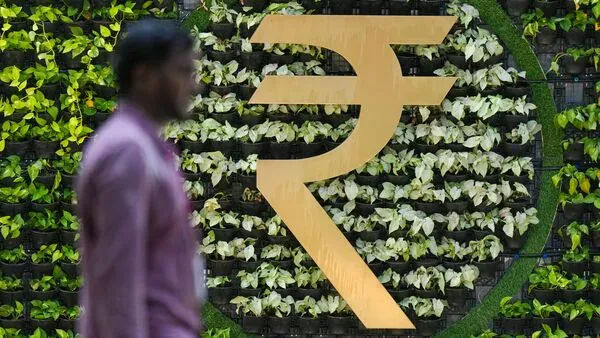
The Indian rupee has recently strengthened against the US dollar, recovering from a low of 96.83 in May to around 94.63, aided by factors like the US-Iran interim peace deal, lower energy prices, and policies attracting foreign capital. The Reserve Bank of India (RBI) intervenes in the forex market to manage volatility and influence the rupee's value, selling dollars to banks without directly depleting forex reserves. RBI's exchange rate policy balances economic and political considerations, operating within a managed framework rather than targeting a fixed rate.
First-hand measurement across 2 sources
We measured how 2 outlets covered this story. Coverage leans balanced overall (Left 5%, Centre 93%, Right 2%). Overall sentiment is neutral (58/100). Lens Score 23/100 — low public interest.
Outlets analysed (first-hand measurement by TBN's Bias Engine):
- mint— balanced framing, neutral sentiment
- thestatesman— balanced framing, neutral sentiment
AI Analysis
The articles present a largely neutral economic perspective, focusing on RBI's technical role in forex management and external geopolitical influences. They avoid partisan framing, emphasizing policy mechanisms and market dynamics. The coverage includes government actions and international developments without attributing political motives beyond acknowledging the interplay of economics and politics in exchange rate policy.
The tone across the articles is informative and neutral, explaining RBI's interventions and recent rupee movements without emotive language. The coverage highlights positive developments like rupee recovery and policy measures while maintaining a factual, balanced approach that neither praises nor criticizes the authorities involved.
How 2 sources covered this story
Each source's own headline, political lean, and sentiment — so you can see framing differences at a glance.