SBI Research Highlights West Bengal's Shift to Investment Growth Amid Fiscal Challenges
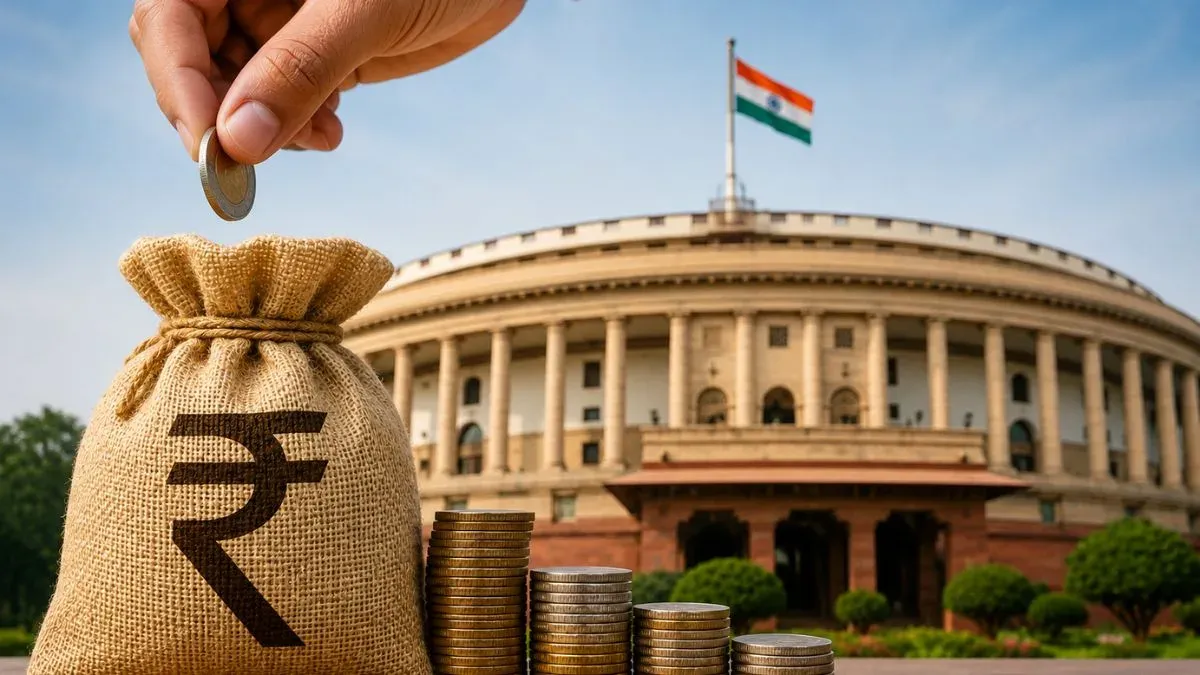
SBI Research's analysis of West Bengal's FY27 Budget highlights a strategic shift towards investment-led growth, industrialization, and economic transformation, moving away from welfare-focused spending. Despite this, the state continues to rely heavily on Central tax devolution and grants, which constitute over half of its revenue receipts. Fiscal challenges persist, including high debt, stagnant own-tax revenue, weak non-tax revenue mobilization, and leakages. The report underscores the need for improved administrative efficiency and leveraging resources like coal-bed methane to strengthen fiscal health and reverse the state's relative economic decline.
First-hand measurement across 3 sources
We measured how 3 outlets covered this story. Coverage leans balanced overall (Left 24%, Centre 71%, Right 5%). Overall sentiment is neutral (53/100). Lens Score 28/100 — low public interest.
Outlets analysed (first-hand measurement by TBN's Bias Engine):
- thestatesman— balanced framing, positive sentiment
- thestatesman— balanced framing, neutral sentiment
- thestatesman— balanced framing, neutral sentiment
AI Analysis
The article group presents perspectives primarily from SBI Research, focusing on West Bengal's fiscal and economic policies without partisan framing. It includes government policy shifts towards investment and industrialization, while also addressing fiscal challenges such as debt and revenue dependence on Central transfers. The coverage balances acknowledgment of progress with critiques of ongoing financial issues, reflecting a technocratic and policy-oriented viewpoint rather than political advocacy.
The overall tone across the articles is mixed, combining cautious optimism about West Bengal's strategic budget shift towards investment and economic transformation with concern over persistent fiscal weaknesses. Positive aspects include the emphasis on long-term growth and capacity building, while negative elements highlight debt accumulation, revenue stagnation, and administrative inefficiencies. This balanced sentiment reflects both hope for improvement and recognition of existing challenges.