Gulf Nations Develop Alternative Routes to Reduce Reliance on Strait of Hormuz for Oil Exports
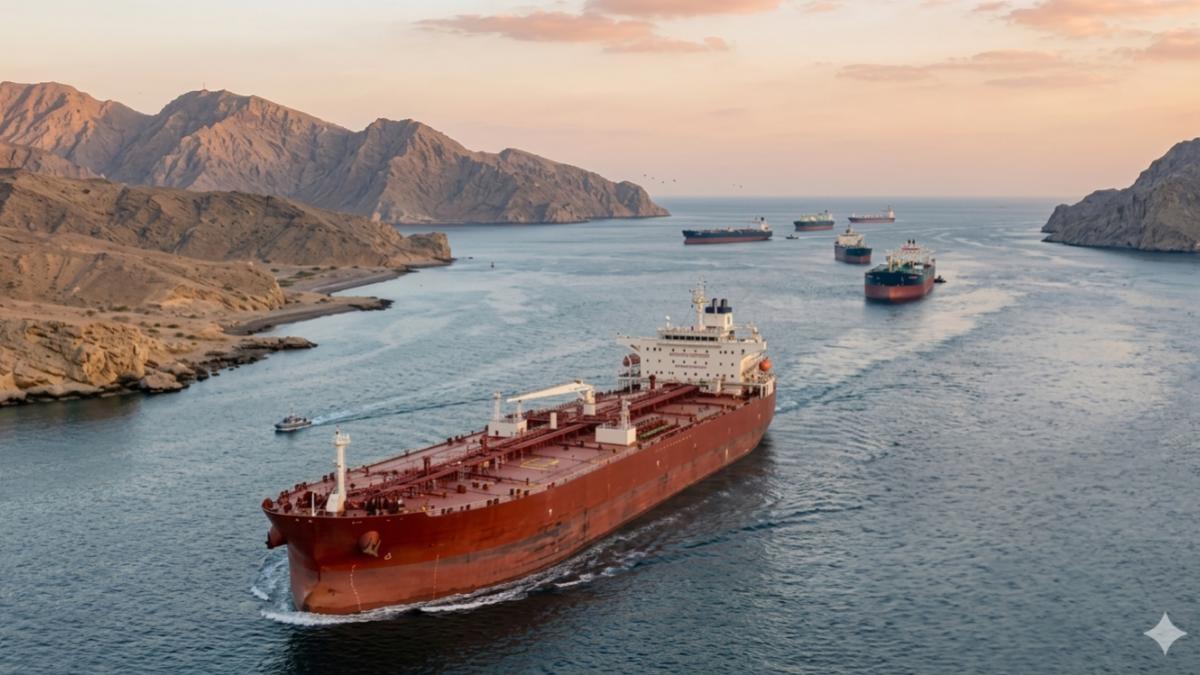
Countries in the Gulf, including the UAE, Saudi Arabia, and Iraq, are accelerating pipeline and port projects to bypass the Strait of Hormuz, a key but vulnerable oil transit route. These efforts aim to reduce dependence on Hormuz amid regional tensions and threats, with projects like the UAE's Fujairah pipeline expansion expected to be operational by 2027. India is increasingly relying on alternative routes through UAE ports to secure energy imports, while US sanctions on Russian oil and geopolitical risks continue to impact global fuel markets.
First-hand measurement across 15 sources
We measured how 15 outlets covered this story. Coverage leans balanced overall (Left 8%, Centre 85%, Right 7%). Overall sentiment is neutral (50/100). Lens Score 31/100 — low public interest.
Outlets analysed (first-hand measurement by TBN's Bias Engine):
- businessstandard— balanced framing, neutral sentiment
- economictimes— balanced framing, neutral sentiment
- economictimes— balanced framing, neutral sentiment
- news18— balanced framing, neutral sentiment
- mint— balanced framing, neutral sentiment
- ndtv— balanced framing, neutral sentiment
- mint— balanced framing, negative sentiment
- thetelegraph— balanced framing, neutral sentiment
AI Analysis
The article group presents multiple geopolitical perspectives, including Gulf countries' strategic infrastructure developments, India's energy security concerns, and US policy actions such as sanctions and naval posturing. Coverage includes viewpoints from regional governments, analysts, and international stakeholders, reflecting the complex interplay of energy, security, and diplomacy without favoring any particular political stance.
The overall tone is cautiously analytical, highlighting both the challenges posed by regional instability and the proactive measures taken by Gulf nations and India to mitigate risks. While concerns about disruptions and sanctions are noted, the coverage emphasizes ongoing infrastructure projects and strategic adaptations, resulting in a balanced sentiment that neither overly alarms nor downplays the situation.