US-Iran Tensions Reduce Hormuz Vessel Traffic, Impacting India’s Energy Supplies
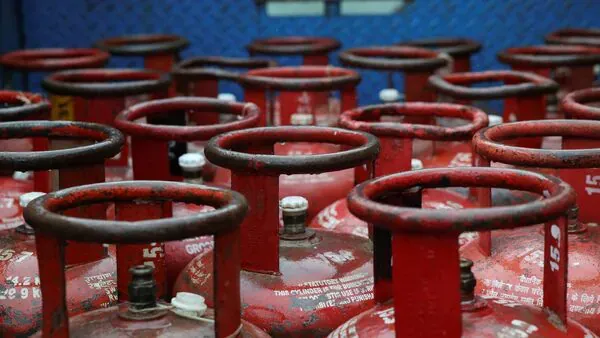
Renewed US-Iran tensions have sharply reduced vessel traffic through the Strait of Hormuz, a key energy chokepoint, causing crude oil prices to rise to around $80-$85 per barrel. India, heavily dependent on West Asia for crude oil and LPG imports, is increasingly sourcing gas from spot markets and diversifying suppliers. While Indian refiners have secured near-term crude supplies, concerns remain over potential inflation and supply disruptions. Calls for an LPG efficiency policy have emerged amid rising fuel costs affecting businesses. The situation remains fluid with geopolitical risks impacting global energy markets.
First-hand measurement across 14 sources
We measured how 14 outlets covered this story. Coverage leans balanced overall (Left 8%, Centre 87%, Right 5%). Overall sentiment is neutral (41/100). Lens Score 31/100 — low public interest.
Outlets analysed (first-hand measurement by TBN's Bias Engine):
- economictimes— balanced framing, neutral sentiment
- mint— balanced framing, neutral sentiment
- english— balanced framing, neutral sentiment
- firstpost— balanced framing, negative sentiment
- indianexpress— balanced framing, negative sentiment
- ndtv— balanced framing, neutral sentiment
- mint— balanced framing, neutral sentiment
- theprint— balanced framing, neutral sentiment
AI Analysis
The article group presents multiple perspectives including government and industry views on energy security, geopolitical developments between the US and Iran, and market responses. Sources emphasize the strategic importance of the Strait of Hormuz and India’s reliance on imports without assigning blame. The coverage balances geopolitical analysis with economic implications, reflecting a range of stakeholder concerns from policymakers to businesses.
The overall tone is cautious and concerned, reflecting uncertainty due to escalating geopolitical tensions and their impact on energy markets. While some articles highlight India’s preparedness and diversification efforts, the predominant sentiment underscores risks of supply disruptions, rising prices, and inflationary pressures. The coverage is mixed, combining factual reporting of developments with warnings about potential economic consequences.