Pakistan Faces Fuel Supply Concerns Amid Delayed Imports and Policy Challenges
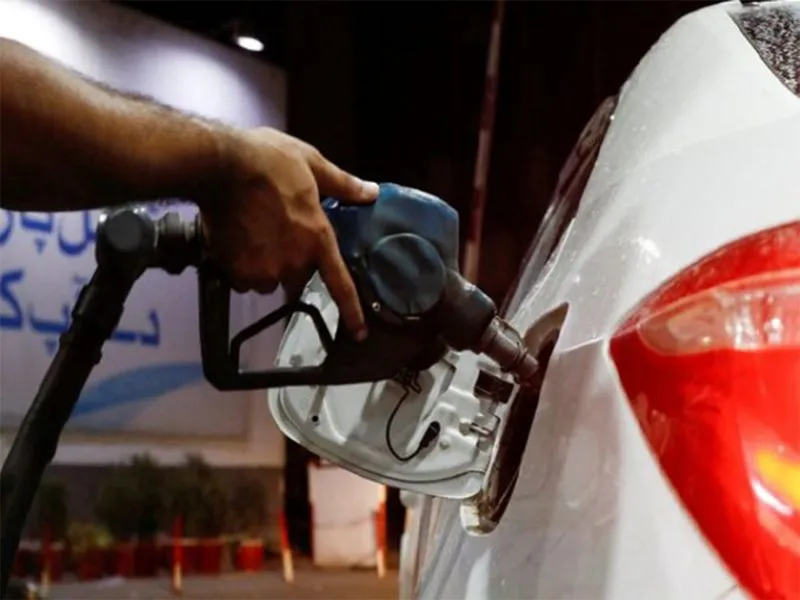
Pakistan faces a potential fuel supply crisis as petrol reserves drop to about 379,000 tonnes, sufficient for roughly two weeks at current consumption rates. Rising demand in July, delayed imports, and policy bottlenecks have intensified concerns over energy security. While shipments of 153,000 tonnes are expected soon, some planned imports were canceled or delayed. Industry officials cite domestic administrative and financial challenges, urging the government to release Rs 66.7 billion in pending payments to support fresh imports amid rising global oil prices and shipping disruptions.
First-hand measurement across 2 sources
We measured how 2 outlets covered this story. Coverage leans balanced overall (Left 0%, Centre 100%, Right 0%). Overall sentiment is negative (30/100). Lens Score 28/100 — low public interest.
Outlets analysed (first-hand measurement by TBN's Bias Engine):
- news18— balanced framing, negative sentiment
- thetribune— balanced framing, negative sentiment
AI Analysis
The articles primarily present industry perspectives highlighting administrative and financial issues within Pakistan's government as key factors in the fuel crisis. There is no explicit political framing or partisan commentary, focusing instead on factual reporting of supply challenges and government-industry interactions. Both sources emphasize the government's role in delayed payments without attributing blame to specific political entities.
The overall tone across the articles is cautious and concerned, reflecting the seriousness of the fuel supply situation without sensationalism. Coverage underscores challenges such as rising demand, import delays, and financial bottlenecks, maintaining a neutral stance that informs readers about risks without expressing optimism or alarm.
How 2 sources covered this story
Each source's own headline, political lean, and sentiment — so you can see framing differences at a glance.