India's H1 2026 Real Estate Sees Stable Housing Sales, Office Leasing Shifts, and Rising PE Investments
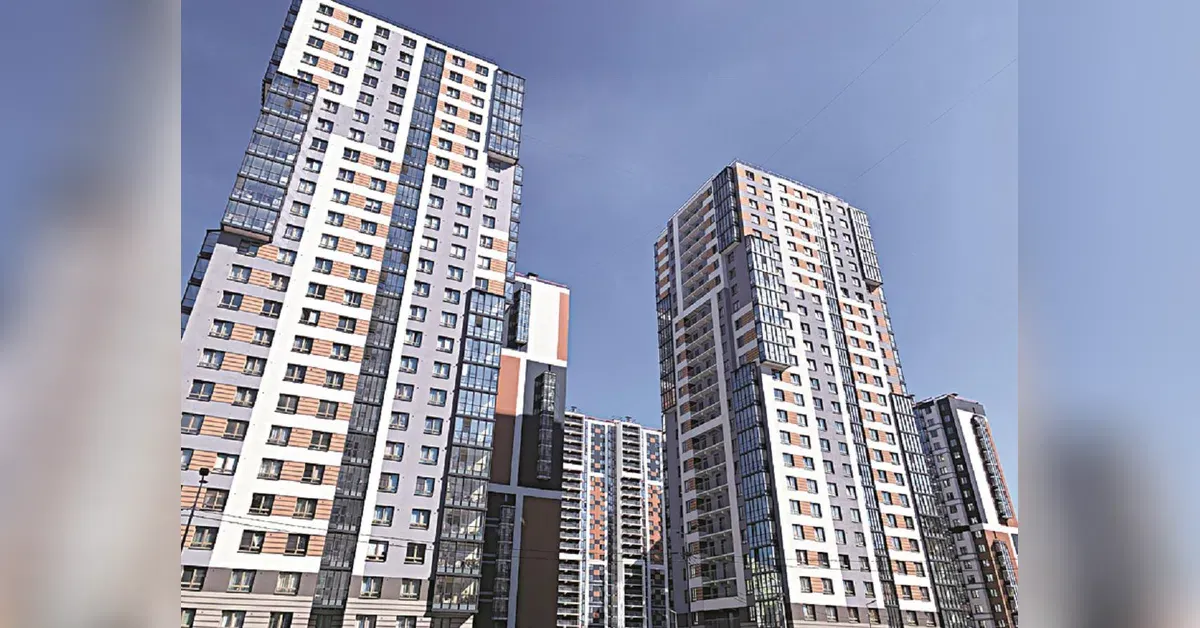
India's real estate market in H1 2026 showed mixed trends with office leasing declining 2% year-on-year to 48 million sq ft, driven by a shift from IT services to Global Capability Centres and flexible workspaces. Residential housing sales remained stable or grew modestly in major cities like Pune and Mumbai, with new launches increasing supply. Mumbai's coastal luxury redevelopment pipeline reached Rs 6,000 crore, reflecting rising demand for waterfront living. Meanwhile, private equity investments surged 48%, led by large deals in technology and finance sectors.
First-hand measurement across 6 sources
We measured how 6 outlets covered this story. Coverage leans balanced overall (Left 0%, Centre 100%, Right 0%). Overall sentiment is positive (70/100). Lens Score 34/100 — low public interest.
Outlets analysed (first-hand measurement by TBN's Bias Engine):
- businessstandard— balanced framing, neutral sentiment
- businessstandard— balanced framing, neutral sentiment
- economictimes— balanced framing, positive sentiment
- businessstandard— balanced framing, positive sentiment
- businessstandard— balanced framing, positive sentiment
- hindustantimes— balanced framing, neutral sentiment
AI Analysis
The article group presents a largely economic and market-focused perspective without explicit political framing. Sources emphasize real estate trends, corporate leasing patterns, and investment flows, reflecting business and industry viewpoints. There is no evident partisan bias; coverage centers on market data and expert commentary from real estate consultancies and financial analysts, representing a neutral economic development narrative.
The overall sentiment is mixed but cautiously optimistic. While office leasing shows a slight decline due to sectoral shifts, residential sales and luxury redevelopment projects indicate market stability or growth. The surge in private equity investments adds a positive note. Coverage balances challenges like rising unsold inventory with opportunities from infrastructure improvements and evolving demand, maintaining a measured and factual tone.