Income Tax Rules Set Cash Transaction Limits to Prevent Penalties
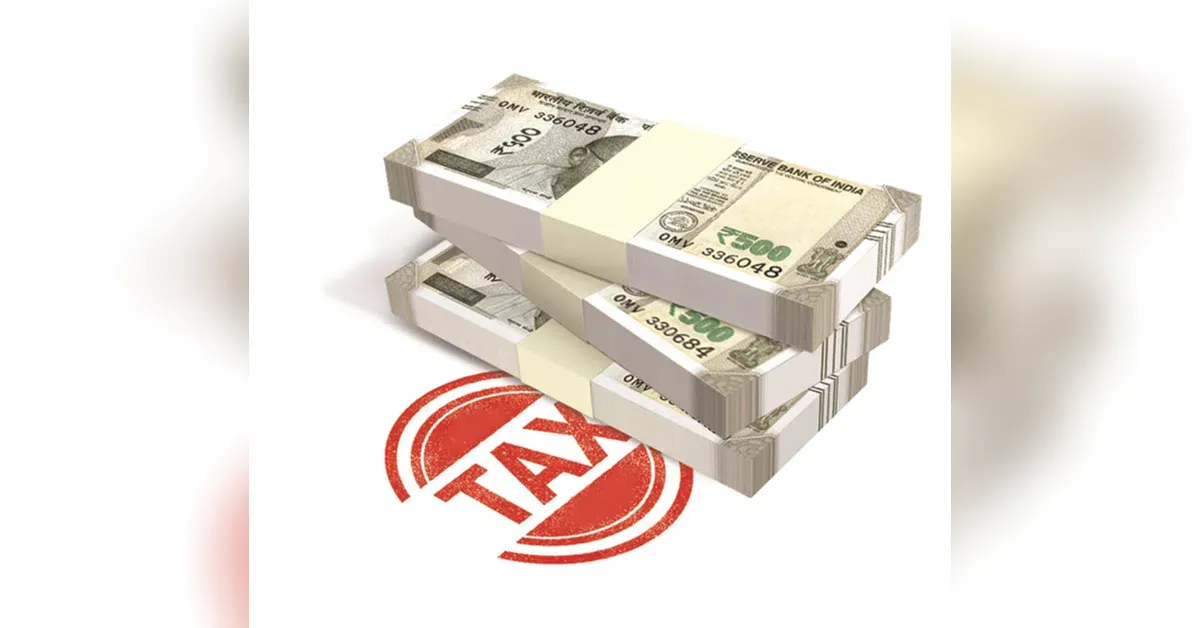
The Income Tax Act imposes limits on cash transactions to enhance transparency and prevent tax evasion. Individuals cannot receive Rs 2 lakh or more in cash from a single person in one day or event. Cash loans, deposits, or repayments of Rs 20,000 or more related to immovable property must be made through banking channels. Violations of these provisions can result in penalties equal to the transaction amount. These rules are part of reporting requirements under the Annual Information Statement to monitor high-value transactions.
First-hand measurement across 3 sources
We measured how 3 outlets covered this story. Coverage leans balanced overall (Left 0%, Centre 100%, Right 0%). Overall sentiment is neutral (55/100). Lens Score 31/100 — low public interest.
Outlets analysed (first-hand measurement by TBN's Bias Engine):
- mint— balanced framing, neutral sentiment
- businessstandard— balanced framing, neutral sentiment
- economictimes— balanced framing, neutral sentiment
AI Analysis
The articles present a straightforward explanation of income tax regulations without political framing. They focus on government tax policies and compliance requirements, reflecting official and expert perspectives. There is no evident partisan viewpoint, as the coverage centers on informing taxpayers about legal limits and penalties under the Income Tax Act.
The tone across the articles is neutral and informative, emphasizing compliance and awareness rather than criticism or praise. The coverage highlights regulatory measures and potential penalties, maintaining a factual and advisory approach without emotional or sensational language.
How 3 sources covered this story
Each source's own headline, political lean, and sentiment — so you can see framing differences at a glance.