BofA Predicts RBI Rate Hold Near Term, Possible Hike from December 2026 Amid Inflation Risks
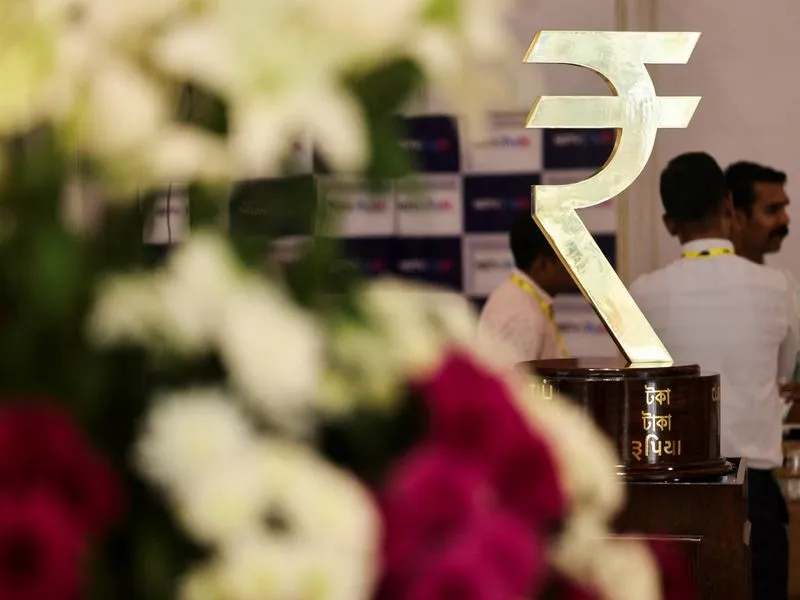
BofA Securities forecasts that the Reserve Bank of India (RBI) will maintain policy rates in the near term but anticipates a cumulative 50 basis points hike from December 2026 due to rising domestic inflation risks. The firm raised its FY27 GDP growth forecast to 6.9%, citing stronger consumption and investment, while projecting CPI inflation at 4.8%. Risks from below-normal monsoon and El Nino may increase food inflation, though ample food stocks and softer global commodity prices could mitigate impacts. India's current account deficit is expected to narrow to 1.2% of GDP, with fiscal deficit steady at 4.5%. Supportive liquidity and improved macroeconomic conditions may boost credit growth, benefiting sectors like NBFCs despite potential elevated funding costs.
First-hand measurement across 2 sources
We measured how 2 outlets covered this story. Coverage leans balanced overall (Left 0%, Centre 100%, Right 0%). Overall sentiment is neutral (60/100). Lens Score 32/100 — low public interest.
Outlets analysed (first-hand measurement by TBN's Bias Engine):
- economictimes— balanced framing, neutral sentiment
- thetribune— balanced framing, neutral sentiment
AI Analysis
The articles primarily present economic forecasts and policy expectations from BofA Securities without political commentary. They focus on macroeconomic indicators and RBI's monetary policy outlook, reflecting a technocratic perspective. No partisan viewpoints or political framing are evident, as coverage centers on financial analysis and economic projections.
The tone across the articles is neutral to cautiously optimistic, highlighting growth forecast upgrades and supportive economic conditions while acknowledging inflation risks and potential challenges. The coverage balances positive aspects like improved consumption and credit growth with warnings about weather-related inflation pressures, resulting in a measured, informative sentiment.
How 2 sources covered this story
Each source's own headline, political lean, and sentiment — so you can see framing differences at a glance.