Companies Use Accounting Practices to Mask Weak Balance Sheets
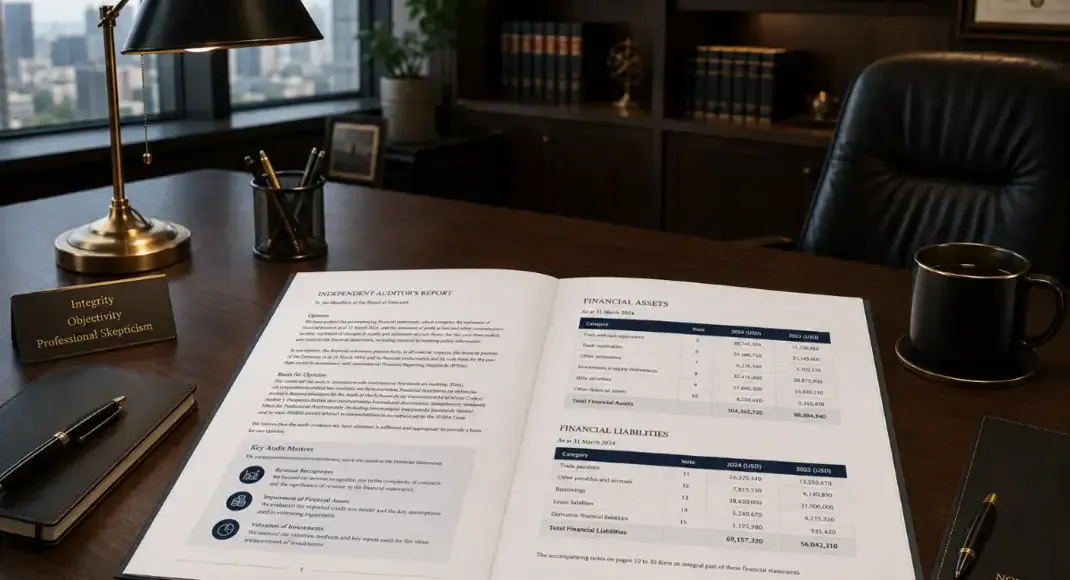
Some companies use accounting practices to present weak balance sheets as strong by hiding liabilities. For example, an auditor issued an adverse opinion after discovering a buyback clause in a shareholders' agreement that was not reflected in equity. In another case, a company failed to provision for a guarantee despite a lender's demand and recovery actions. These instances highlight managements' efforts to obscure debts and improve financial appearances.
First-hand measurement across 2 sources
We measured how 2 outlets covered this story. Coverage leans balanced overall (Left 10%, Centre 85%, Right 5%). Overall sentiment is negative (30/100). Lens Score 32/100 — low public interest.
Outlets analysed (first-hand measurement by TBN's Bias Engine):
- economictimes— balanced framing, negative sentiment
- economictimes— balanced framing, negative sentiment
AI Analysis
The articles focus on corporate accounting practices without political framing. They present examples of management actions and auditor responses, reflecting a business and regulatory perspective. The coverage is technical and does not align with any political ideology, emphasizing financial transparency issues rather than political debate.
The tone across the articles is critical but factual, highlighting concerns about financial misrepresentation. The sentiment is generally negative toward the accounting practices described, focusing on the risks and consequences of hiding liabilities. However, the language remains professional and avoids sensationalism.
How 2 sources covered this story
Each source's own headline, political lean, and sentiment — so you can see framing differences at a glance.