Indian Architecture Adapts to Climate Challenges and Changing Commercial Tenant Needs
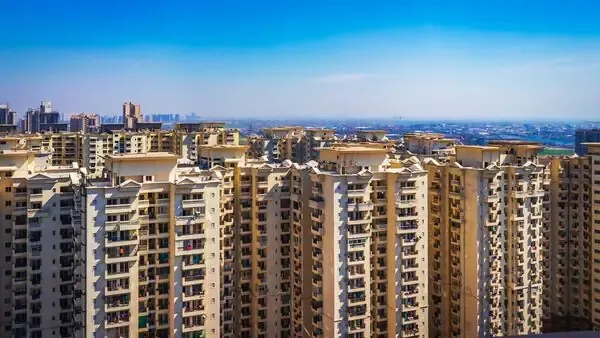
Indian architects and real estate developers are adapting building designs to meet evolving environmental and tenant needs. Residential projects increasingly focus on sustainable, climate-resilient features like passive cooling and reduced carbon footprints. Meanwhile, commercial real estate is shifting from fragmented, short-term layouts to large, adaptable floor plates that accommodate modern corporate leasing demands and higher workplace density, emphasizing functional interior planning over aesthetic trends.
First-hand measurement across 2 sources
We measured how 2 outlets covered this story. Coverage leans balanced overall (Left 5%, Centre 93%, Right 2%). Overall sentiment is positive (68/100). Lens Score 23/100 — low public interest.
Outlets analysed (first-hand measurement by TBN's Bias Engine):
- thehindu— balanced framing, positive sentiment
- mint— balanced framing, neutral sentiment
AI Analysis
The articles present perspectives centered on architectural and real estate industry trends without explicit political framing. They reflect professional and market-driven viewpoints, focusing on sustainability and corporate leasing patterns. There is no evident partisan bias, as the coverage emphasizes practical responses to environmental and economic factors rather than political debate.
The tone across the articles is generally constructive and forward-looking, highlighting innovations in sustainable housing and the need for efficient commercial spaces. While acknowledging past shortcomings in real estate design, the coverage maintains a solution-oriented approach without negative or sensational language, resulting in an overall positive and pragmatic sentiment.
How 2 sources covered this story
Each source's own headline, political lean, and sentiment — so you can see framing differences at a glance.