US Launches Trade Investigation into Germany's Pharmaceutical Pricing Policies
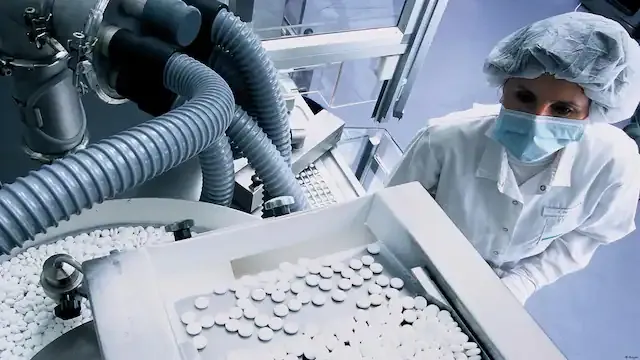
The United States has initiated a trade investigation under Section 301 of the Trade Act of 1974 into Germany's pharmaceutical pricing policies, focusing on alleged persistent underpayment for innovative drugs. U.S. Trade Representative Jamieson Greer expressed concern that Germany's actions may be unreasonable or discriminatory, potentially burdening U.S. commerce and shifting research and development costs disproportionately to American patients. The probe follows Germany's healthcare reforms aimed at reducing pharmaceutical spending and may lead to tariffs. Public comments and a hearing are scheduled for later this year.
First-hand measurement across 4 sources
We measured how 4 outlets covered this story. Coverage leans balanced overall (Left 8%, Centre 87%, Right 5%). Overall sentiment is neutral (40/100). Lens Score 34/100 — low public interest.
Outlets analysed (first-hand measurement by TBN's Bias Engine):
- mint— balanced framing, neutral sentiment
- wion— balanced framing, neutral sentiment
- english— balanced framing, neutral sentiment
- economictimes— balanced framing, neutral sentiment
AI Analysis
The articles primarily present the U.S. government's perspective, emphasizing concerns over Germany's pharmaceutical pricing and its impact on American trade and innovation costs. German responses are limited or absent, reflecting a focus on U.S. trade policy under the Trump administration. Coverage includes references to broader U.S. trade actions, framing the probe within a hardline trade agenda, without overt partisan commentary.
The overall tone across the articles is neutral to cautious, highlighting the initiation of an investigation and potential trade consequences without emotive language. While U.S. officials express concern over Germany's policies, the coverage remains factual, noting ongoing discussions and procedural steps like public comments and hearings, without sensationalizing the dispute.