India's Solar Sector Faces Curtailment, Cost Hikes, and Decentralized Expansion Efforts
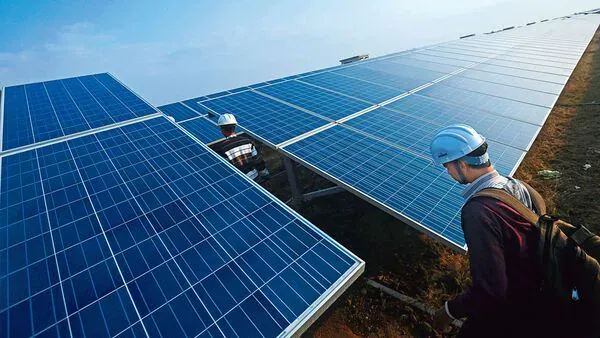
India's solar energy sector faces challenges including significant power curtailment due to grid capacity limits, with up to 27.34 GW curtailed on May 1 to maintain grid security. Concurrently, new Domestic Content Requirement norms have increased rooftop solar project costs by 30-35%, risking delays and impacting expansion plans, notably in Madhya Pradesh. Meanwhile, Maharashtra's decentralized solar initiatives, supported by state and central schemes, aim to improve financial sustainability by reducing reliance on subsidized grid electricity in agriculture.
First-hand measurement across 4 sources
We measured how 4 outlets covered this story. Coverage leans balanced overall (Left 10%, Centre 81%, Right 9%). Overall sentiment is neutral (54/100). Lens Score 32/100.
Outlets measured: indianexpress, mint, freepressjournal, hindustantimes. See how each one headlined and framed the same story in the source comparison below.
AI Analysis
All 4 outlets scored close to centre on political lean. The real divergence here is in emphasis, not lean — compare the headlines below to see how each outlet chose to frame the same facts.
Sentiment ranged widely across outlets — from 40/100 to 70/100 — a sign the coverage itself was contested, not just reported.
Coverage timeline
hindustantimes broke this story on 5 Jun, 10:42 am. Other outlets followed.