Singapore High Court Stays Civil Contempt Order Against Byju Raveendran
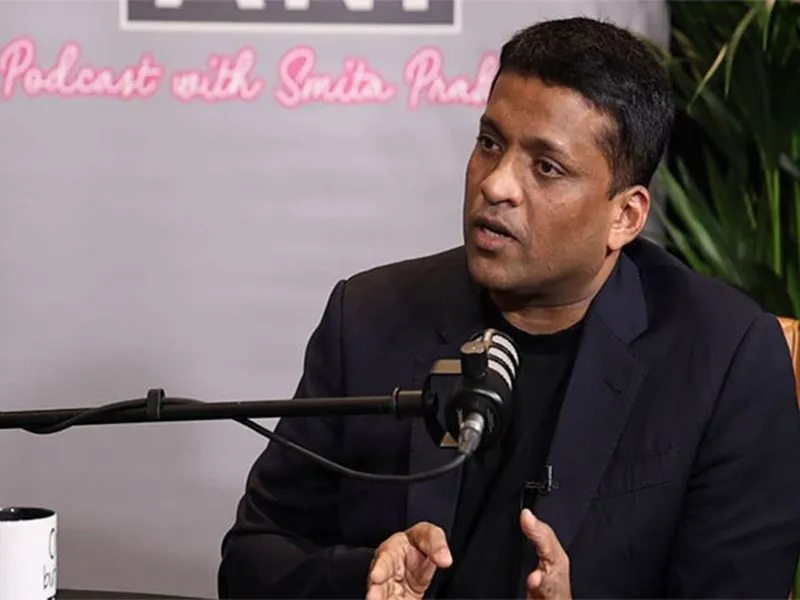
The Singapore High Court has granted a stay on the committal and surrender provisions of a May 25 civil contempt order against Byju Raveendran, founder of Byju's, following an application filed on his behalf. This stay means he is not required to surrender, and no imprisonment term is in effect while an appeal is underway. The contempt finding relates to disputed document-disclosure obligations in ongoing arbitration proceedings, which are being challenged separately. Contrary to some reports, no arrest warrant has been issued, and there are no criminal charges against Raveendran.
First-hand measurement across 5 sources
We measured how 5 outlets covered this story. Coverage leans balanced overall (Left 2%, Centre 97%, Right 1%). Overall sentiment is neutral (49/100). Lens Score 31/100 — low public interest.
Outlets analysed (first-hand measurement by TBN's Bias Engine):
- economictimes— balanced framing, neutral sentiment
- zeenews— balanced framing, neutral sentiment
- businessstandard— balanced framing, neutral sentiment
- republicworld— balanced framing, neutral sentiment
- thetribune— balanced framing, neutral sentiment
AI Analysis
The articles primarily present legal developments without political framing, focusing on court actions and statements from Byju Raveendran's legal team. They emphasize the ongoing arbitration dispute and clarify misconceptions about arrest warrants. The coverage reflects a neutral legal perspective, with no partisan viewpoints or political interpretations evident across the sources.
The overall tone across the articles is neutral to cautiously informative, highlighting procedural updates and clarifications regarding the case. The narrative counters misinformation about arrest warrants and criminal charges, aiming to correct public perception without expressing judgment or emotional language. The sentiment is balanced, focusing on factual reporting of legal processes and appeals.
How 5 sources covered this story
Each source's own headline, political lean, and sentiment — so you can see framing differences at a glance.