Skip to content
Get the Balanced News app for a better experience!
The Balanced News Logo
Analytics
The Balanced News Logo

Stay Balanced, Stay Informed

Menu
  • Browse News
  • Underreported Stories
  • Curated Feeds
  • Insights
  • Analytics
  • Our Writers
  • About Us
  • Download App
Learn
  • How It Works
  • Bias Detection
  • Lens Score
  • Source Bias Checker
  • Accountability
  • Custom Feeds
Newsroom
  • Writers & Analysts
  • About TBN
  • Editorial Standards
  • Corrections Policy
  • Our Partners
  • Insights
Socials
  • Youtube
  • Instagram
  • X
  • Facebook
News Categories
  • Trending
  • Politics
  • Sports
  • Business
  • Tech
  • Entertainment
  • Health
  • Science
  • Crime
  • Lifestyle
  • National
  • International
  • Good News
  • Crypto

Get Our App

Available for iOS and Android


LensFeedsInsightsAnalyticsTrendingGood NewsSportsPoliticsBusinessCrimeTechEntertainmentHealthNationalInternational

© 2026 The Balanced News. All rights reserved.

About UsEditorial StandardsCorrectionsHelp & SupportPrivacy PolicyTerms & Conditions
Global Space Economy Investment Expected to Surpass USD 100 Billion in 2026
Categories

Categories

Related Coverage

Select a news story to see related coverage from other media outlets.

Related Coverage

Select a news story to see related coverage from other media outlets.

  1. Home
  2. /
  3. Business

Global Space Economy Investment Expected to Surpass USD 100 Billion in 2026

Analysed 13 Oct 2026·2 sources analysed·New York City, United States·Business
Global Space Economy Investment Expected to Surpass USD 100 Billion in 2026PreviousNext

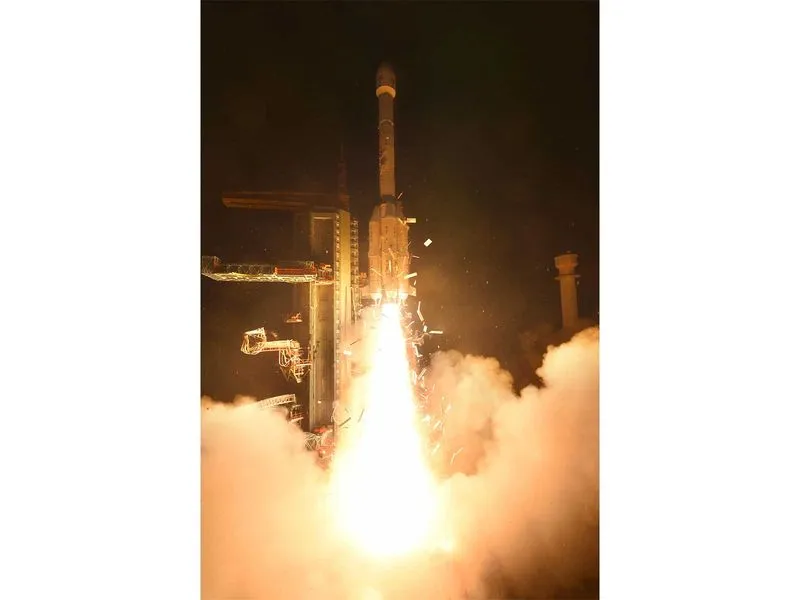
Global investment in the space economy is projected to exceed USD 100 billion in 2026, surpassing the 2025 record after reaching USD 92.5 billion in the first nine months. This growth is driven by rising government demand, a shortage of rocket-launch capacity, and countries developing independent space capabilities. The reliance on SpaceX's Falcon 9 rockets is challenged by limited launch availability, prompting increased investment in competitors like Pure Launch, Stoke Space, and Blue Origin, which recently raised external capital for the first time in decades.

Sentiment
55%
TBN's observations

First-hand measurement across 2 sources

We measured how 2 outlets covered this story. No outlet gave this story a measurable political slant — there is no left–right reading to report. Overall sentiment is neutral (55/100). Lens Score 46/100.

Outlets measured: thetribune, news18. See how each one headlined and framed the same story in the source comparison below.

AI analysis of 2 sources · Published under editorial oversight by The Balanced News
Analysed 13 Oct 2026· How this analysis is produced· Editorial standards· Corrections

AI Analysis

Sentiment — Neutral (55/100)

Sentiment was consistent across outlets (55–55/100), indicating broadly factual reporting rather than editorialising.

Coverage timeline

news18 broke this story on 13 Oct, 02:30 pm. Other outlets followed.

13 Oct, 02:30 pm2 sources · 3 min13 Oct, 02:33 pm
  1. 1
AI analysis by the TBN Bias Engine · beat methodology byMrunal Wange· Business & Economy Editor· editorial standards byOjas Kale
← Previous
India's Festive Season Sees Steady Retail Demand but E-Commerce Sales Dip
Next →
Tata Power and Imperial College London Partner on Energy Transition Research
news1813 Oct, 02:30 pm
Global Space Investment set to cross USD 100 billion for first time
  • 2
    thetribune13 Oct, 02:33 pm
    Global Space Investment set to cross USD 100 billion for first time - The Tribune
  • Who's involved

    Institutions and figures named across source coverage.

    Corporate
    Pure LaunchStoke SpaceBlue OriginSpace Exploration Technologies CorporationSpace Capital

    Story context

    Category
    Business
    Location
    New York City, United States
    Sources analysed
    2
    Last analysed
    13 Oct 2026
    Key entities
    Commercial use of spaceRocketUnited States dollarSpace industryVenture capitalFalcon 9OrbitSatelliteNew York CityNova (rocket)Stoke SpaceBlue Origin