Skip to content
Get the Balanced News app for a better experience!
The Balanced News Logo
Analytics
The Balanced News Logo

Stay Balanced, Stay Informed

Menu
  • Browse News
  • Underreported Stories
  • Curated Feeds
  • Insights
  • Analytics
  • Our Writers
  • About Us
  • Download App
Learn
  • How It Works
  • Bias Detection
  • Lens Score
  • Source Bias Checker
  • Accountability
  • Custom Feeds
Newsroom
  • Writers & Analysts
  • About TBN
  • Editorial Standards
  • Corrections Policy
  • Our Partners
  • Insights
Socials
  • Youtube
  • Instagram
  • X
  • Facebook
News Categories
  • Trending
  • Politics
  • Sports
  • Business
  • Tech
  • Entertainment
  • Health
  • Science
  • Crime
  • Lifestyle
  • National
  • International
  • Good News
  • Crypto

Get Our App

Available for iOS and Android


LensFeedsInsightsAnalyticsTrendingGood NewsSportsPoliticsBusinessCrimeTechEntertainmentHealthNationalInternational

© 2026 The Balanced News. All rights reserved.

About UsEditorial StandardsCorrectionsHelp & SupportPrivacy PolicyTerms & Conditions
Global Oil Reserves Decline Amid Strait of Hormuz Disruption and Market Uncertainty
Categories

Categories

Related Coverage

Select a news story to see related coverage from other media outlets.

Related Coverage

Select a news story to see related coverage from other media outlets.

  1. Home
  2. /
  3. Business

Global Oil Reserves Decline Amid Strait of Hormuz Disruption and Market Uncertainty

Reviewed byMrunal Wange· Business & Economy Editor· Edited byOjas Kale
Analysed 10 Jun 2026·4 sources analysed·United States·Business
Global Oil Reserves Decline Amid Strait of Hormuz Disruption and Market UncertaintyPreviousNext

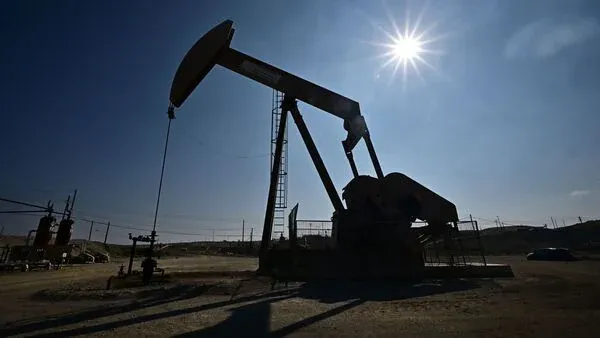
Global oil reserves have dropped to their lowest since 2003 amid the Iran war's disruption of the Strait of Hormuz, which previously handled about 20 million barrels per day. This conflict has removed nearly 1 billion barrels of crude supply, with losses potentially reaching 2 billion by year-end, severely impacting Gulf producers and regional economies. Despite supply constraints, oil prices remain around $90 per barrel, partly due to reduced demand as consumers shift behaviors. Fitch Ratings projects prices could fall to $70 by September if the strait reopens and production recovers, aided by alternative export routes and emergency reserves.

TBN's observations

First-hand measurement across 4 sources

We measured how 4 outlets covered this story. Coverage leans balanced overall (Left 8%, Centre 90%, Right 2%). Overall sentiment is neutral (45/100). Lens Score 26/100 — low public interest.

Outlets analysed (first-hand measurement by TBN's Bias Engine):

  • thefinancialexpress— balanced framing, negative sentiment
  • mint— balanced framing, neutral sentiment
  • thefinancialexpress— balanced framing, neutral sentiment
  • mint— balanced framing, neutral sentiment
Political Bias
8%90%2%
Sentiment
45%
AI analysis of 4 sources · Published under editorial oversight by The Balanced News
Analysed 10 Jun 2026· How this analysis is produced· Editorial standards· Corrections

AI Analysis

Political bias across 4 sources
● Left 8%● Center 90%● Right 2%

The article group presents multiple perspectives including official energy data, industry analysts, and ratings agencies. It covers the geopolitical impact of the Iran war on oil supply without attributing blame, while also including economic analyses of demand shifts and market forecasts. The sources balance government and private sector viewpoints, reflecting concerns over supply disruptions and potential recovery scenarios without partisan framing.

Sentiment — Neutral (45/100)

The overall tone is mixed, combining concern over significant supply losses and low reserves with cautious optimism about demand adaptation and potential market recovery. While the conflict's impact is described as severe, some articles highlight mitigating factors like alternative pipelines and emergency reserves. The sentiment reflects uncertainty, acknowledging both risks and possible easing of pressures depending on geopolitical developments.

How 4 sources covered this story

← Previous
Zee Entertainment Approves Rs 2,300 Crore Capital Raise to Fund Expansion Plans
Next →
Marketing Leaders Discuss AI-Driven Changes at INDEX'26 New York Summit

Each source's own headline, political lean, and sentiment — so you can see framing differences at a glance.

SourceTheir headlineBiasSentiment
thefinancialexpressGulf war wipes out 1 bn barrels of oil, supply losses may hit 2 bn by year-endCenterNegative
mintGlobal oil reserves at their lowest since 2003 as Strait of Hormuz closure drains stockpiles, warns report Today NewsCenterNeutral
thefinancialexpressOil Prices: Fitch sees Crude slipping to 70 by September if Strait of Hormuz opens in JulyCenterNeutral
mintIs the Iran war killing global oil demand -- forever? MintCenterNeutral

Coverage timeline

mint broke this story on 10 Jun, 01:14 am. Other outlets followed.

  1. 1
    mint10 Jun, 01:14 am
    Is the Iran war killing global oil demand -- forever? Mint
  2. 2
    thefinancialexpress10 Jun, 06:44 am
    Oil Prices: Fitch sees Crude slipping to 70 by September if Strait of Hormuz opens in July
  3. 3
    mint10 Jun, 07:10 am
    Global oil reserves at their lowest since 2003 as Strait of Hormuz closure drains stockpiles, warns report Today News
  4. 4
    thefinancialexpress10 Jun, 02:10 pm
    Gulf war wipes out 1 bn barrels of oil, supply losses may hit 2 bn by year-end

Lens Score breakdown

26/100
Public interest0/100
Coverage gap90%

Well-covered story — coverage matches public importance.

Who's involved

Institutions and figures named across source coverage.

Government
International Energy AgencyUS Energy Information AdministrationU.S. Energy Department
Corporate
Abu Dhabi National Oil Company

Story context

Category
Business
Location
United States
Sources analysed
4
Last analysed
10 Jun 2026
Key entities
Barrel (unit)PetroleumStrait of HormuzIranInternational Energy AgencyMiddle EastSaudi ArabiaChinaBrent CrudePipeline transportIndiaEnergy Information Administration