Skip to content
Get the Balanced News app for a better experience!
The Balanced News Logo
Analytics
The Balanced News Logo

Stay Balanced, Stay Informed

Menu
  • Browse News
  • Underreported Stories
  • Curated Feeds
  • Insights
  • Analytics
  • Our Writers
  • About Us
  • Download App
Learn
  • How It Works
  • Bias Detection
  • Lens Score
  • Source Bias Checker
  • Accountability
  • Custom Feeds
Newsroom
  • Writers & Analysts
  • About TBN
  • Editorial Standards
  • Corrections Policy
  • Our Partners
  • Insights
Socials
  • Youtube
  • Instagram
  • X
  • Facebook
News Categories
  • Trending
  • Politics
  • Sports
  • Business
  • Tech
  • Entertainment
  • Health
  • Science
  • Crime
  • Lifestyle
  • National
  • International
  • Good News
  • Crypto

Get Our App

Available for iOS and Android


LensFeedsInsightsAnalyticsTrendingGood NewsSportsPoliticsBusinessCrimeTechEntertainmentHealthNationalInternational

© 2026 The Balanced News. All rights reserved.

About UsEditorial StandardsCorrectionsHelp & SupportPrivacy PolicyTerms & Conditions
Pakistan Faces Economic Challenges Amid IMF Concerns Over Debt and Deficit
Categories

Categories

Related Coverage

Select a news story to see related coverage from other media outlets.

Related Coverage

Select a news story to see related coverage from other media outlets.

  1. Home
  2. /
  3. Business

Pakistan Faces Economic Challenges Amid IMF Concerns Over Debt and Deficit

Analysed 3 Oct 2026·2 sources analysed·Pakistan·Business
Pakistan Faces Economic Challenges Amid IMF Concerns Over Debt and DeficitPreviousNext

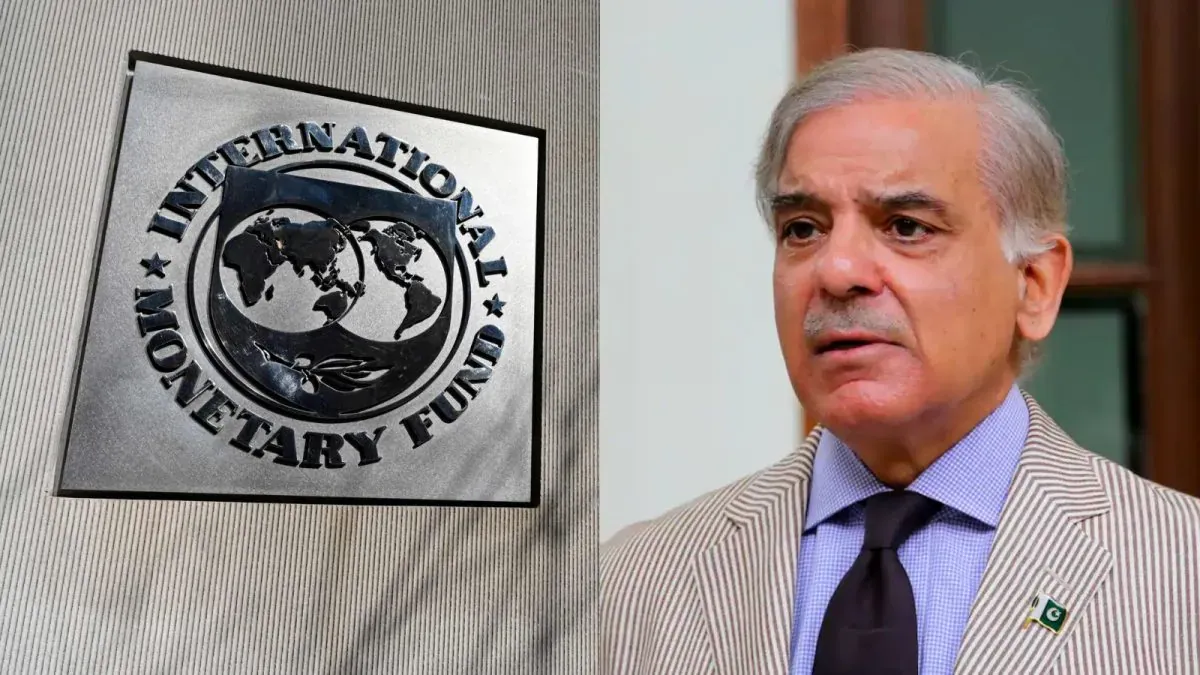
Pakistan continues to rely heavily on IMF support and foreign funding amid persistent economic challenges. Despite infrastructure investments like the China-Pakistan Economic Corridor, export growth remains insufficient, leading to recurring external vulnerabilities. The IMF has flagged concerns including a breach in the power sector's circular debt target, rising inflation, and a projected current account deficit of up to $4 billion. Negotiations between Pakistan and the IMF are ongoing to address these fiscal and external sector pressures.

Sentiment
30%
TBN's observations

First-hand measurement across 2 sources

We measured how 2 outlets covered this story. No outlet gave this story a measurable political slant — there is no left–right reading to report. Overall sentiment is negative (30/100). Lens Score 44/100.

Outlets measured: news18, english. See how each one headlined and framed the same story in the source comparison below.

AI analysis of 2 sources · Published under editorial oversight by The Balanced News
Analysed 3 Oct 2026· How this analysis is produced· Editorial standards· Corrections

AI Analysis

Sentiment — Negative (30/100)

Sentiment was consistent across outlets (28–32/100), indicating broadly factual reporting rather than editorialising.

Coverage timeline

english broke this story on 2 Oct, 10:59 am. Other outlets followed.

2 Oct, 10:59 am2 sources · 18 h3 Oct, 05:15 am
  1. 1
AI analysis by the TBN Bias Engine · beat methodology byMrunal Wange· Business & Economy Editor· editorial standards byOjas Kale
← Previous
Brokerages Recommend Select Stocks Amid Continued Nifty and Sensex Declines
Next →
India's Housing Growth Influenced by 15-Minute City Concept and Expanding Employment Hubs
english2 Oct, 10:59 am
Why Pakistan Keeps Turning To The IMF As Export Growth Remains A Challenge
  • 2
    news183 Oct, 05:15 am
    Pakistan's Economic Troubles Mount As IMF Flags Circular Debt Breach, Rising Inflation Exclusive
  • Who's involved

    Institutions and figures named across source coverage.

    Government
    ParliamentPakistan government

    Story context

    Category
    Business
    Location
    Pakistan
    Sources analysed
    2
    Last analysed
    3 Oct 2026
    Key entities
    International Monetary FundPakistanCurrent account (balance of payments)Economic growthForeign exchange marketDawn (newspaper)Foreign exchange reservesEconomic expansionMilitary dictatorshipChina–Pakistan Economic CorridorEnergy crisisFinancial crisis