Skip to content
Get the Balanced News app for a better experience!
The Balanced News Logo
Analytics
The Balanced News Logo

Stay Balanced, Stay Informed

Menu
  • Browse News
  • Underreported Stories
  • Curated Feeds
  • Insights
  • Analytics
  • Our Writers
  • About Us
  • Download App
Learn
  • How It Works
  • Bias Detection
  • Lens Score
  • Source Bias Checker
  • Accountability
  • Custom Feeds
Newsroom
  • Writers & Analysts
  • About TBN
  • Editorial Standards
  • Corrections Policy
  • Our Partners
  • Insights
Socials
  • Youtube
  • Instagram
  • X
  • Facebook
News Categories
  • Trending
  • Politics
  • Sports
  • Business
  • Tech
  • Entertainment
  • Health
  • Science
  • Crime
  • Lifestyle
  • National
  • International
  • Good News
  • Crypto

Get Our App

Available for iOS and Android


LensFeedsInsightsAnalyticsTrendingGood NewsSportsPoliticsBusinessCrimeTechEntertainmentHealthNationalInternational

© 2026 The Balanced News. All rights reserved.

About UsEditorial StandardsCorrectionsHelp & SupportPrivacy PolicyTerms & Conditions
Food Waste Converted to Renewable Energy Through Anaerobic Digestion in UK and Australia
Categories

Categories

Related Coverage

Select a news story to see related coverage from other media outlets.

Related Coverage

Select a news story to see related coverage from other media outlets.

  1. Home
  2. /
  3. Business

Food Waste Converted to Renewable Energy Through Anaerobic Digestion in UK and Australia

Analysed 20 Sept 2026·4 sources analysed·Gloucestershire, United Kingdom·Business
Food Waste Converted to Renewable Energy Through Anaerobic Digestion in UK and AustraliaPreviousNext

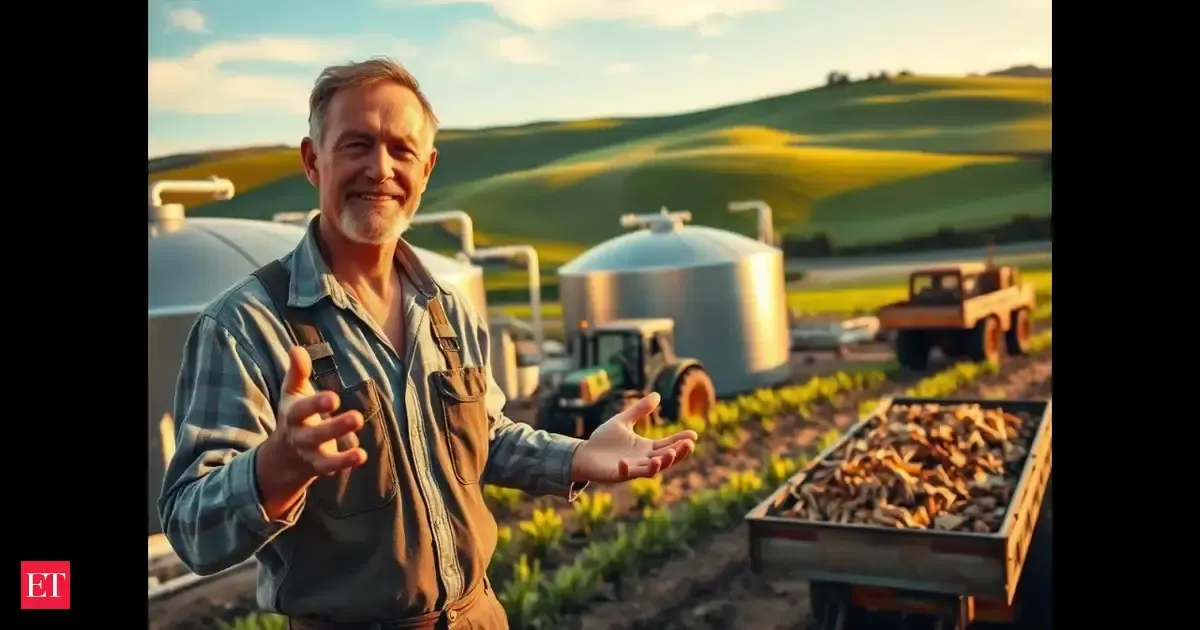
Between 2009 and 2017, facilities in Britain and Australia used anaerobic digestion to convert tens of thousands of tonnes of food and farm waste into biogas, generating renewable electricity for thousands of homes. These plants, located in Northamptonshire, Staffordshire, Gloucestershire, and Sydney, also produced biofertiliser or soil improvers. The process reduces landfill waste and greenhouse gas emissions by breaking down organic material without oxygen, contributing to renewable energy production and circular economy efforts.

Sentiment
67%
TBN's observations

First-hand measurement across 4 sources

We measured how 4 outlets covered this story. No outlet gave this story a measurable political slant — there is no left–right reading to report. Overall sentiment is positive (67/100). Lens Score 41/100.

Outlets measured: economictimes, economictimes, economictimes, economictimes. See how each one headlined and framed the same story in the source comparison below.

AI analysis of 4 sources · Published under editorial oversight by The Balanced News
Analysed 20 Sept 2026· How this analysis is produced· Editorial standards· Corrections

AI Analysis

Sentiment — Positive (67/100)

Sentiment was consistent across outlets (55–75/100), indicating broadly factual reporting rather than editorialising.

Coverage timeline

economictimes broke this story on 20 Sept, 02:47 pm. Other outlets followed.

20 Sept, 02:47 pm4 sources · 7 h20 Sept, 09:32 pm
AI analysis by the TBN Bias Engine · beat methodology byMrunal Wange· Business & Economy Editor· editorial standards byOjas Kale
← Previous
Rajasthan Atomic Power Project Unit 8 Begins Fuel Loading Ahead of Commercial Operation
Next →
Legal Debate Intensifies Over Tata Sons Governance and Listing Dispute
  1. 1
    economictimes20 Sept, 02:47 pm
    In 2009, Britain turned 45,000 tonnes of food waste into biogas; the result generated 1.7 MW of renewable electricity for 2,700 homes at Westwood in Northamptonshire
  2. 2
    economictimes20 Sept, 03:56 pm
    Australia turned food scraps into biogas at EarthPower; the result powered 4,000 homes while processing 62,500 tonnes of food waste and producing soil improver in Sydney
  3. 3
    economictimes20 Sept, 04:43 pm
    In 2010, Cannock used anaerobic digestion to process 120,000 tonnes of food waste; the result generated renewable electricity and exported surplus power to the grid
  4. 4
    economictimes20 Sept, 09:32 pm
    In 2017, Gloucestershire processed 35,000 tonnes of food and farm waste into biogas; the result generated 4.56 GWh of power for 1,400 homes at Rose Hill Recycling

Who's involved

Institutions and figures named across source coverage.

Government
Department of Energy and Climate ChangeDepartment for Environment, Food and Rural Affairs
Corporate
Veolia

Story context

Category
Business
Location
Gloucestershire, United Kingdom
Sources analysed
4
Last analysed
20 Sept 2026
Key entities
Food loss and wasteBiogasLandfillElectricityTonneOrganic matterBiodegradable wasteAnaerobic digestionRenewable energyUnited KingdomOxygenAgriculture