Skip to content
Get the Balanced News app for a better experience!
The Balanced News Logo
Analytics
The Balanced News Logo

Stay Balanced, Stay Informed

Menu
  • Browse News
  • Underreported Stories
  • Curated Feeds
  • Insights
  • Analytics
  • Our Writers
  • About Us
  • Download App
Learn
  • How It Works
  • Bias Detection
  • Lens Score
  • Source Bias Checker
  • Accountability
  • Custom Feeds
Newsroom
  • Writers & Analysts
  • About TBN
  • Editorial Standards
  • Corrections Policy
  • Our Partners
  • Insights
Socials
  • Youtube
  • Instagram
  • X
  • Facebook
News Categories
  • Trending
  • Politics
  • Sports
  • Business
  • Tech
  • Entertainment
  • Health
  • Science
  • Crime
  • Lifestyle
  • National
  • International
  • Good News
  • Crypto

Get Our App

Available for iOS and Android


LensFeedsInsightsAnalyticsTrendingGood NewsSportsPoliticsBusinessCrimeTechEntertainmentHealthNationalInternational

© 2026 The Balanced News. All rights reserved.

About UsEditorial StandardsCorrectionsHelp & SupportPrivacy PolicyTerms & Conditions
Experts Say AI Gap Not Main Cause of Foreign Investor Outflows from India
Categories

Categories

Related Coverage

Select a news story to see related coverage from other media outlets.

Related Coverage

Select a news story to see related coverage from other media outlets.

  1. Home
  2. /
  3. Business

Experts Say AI Gap Not Main Cause of Foreign Investor Outflows from India

Analysed 28 Sept 2026·2 sources analysed·India·Business
Experts Say AI Gap Not Main Cause of Foreign Investor Outflows from IndiaPreviousNext

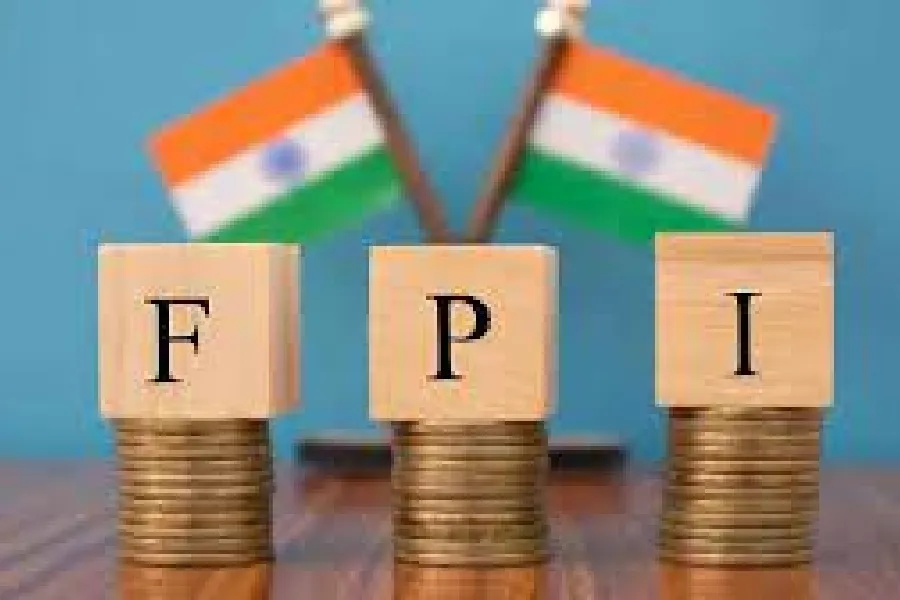
Experts at the ICBI Wealth Summit stated that India's lack of a major AI sector is not driving foreign portfolio investor (FPI) outflows. Samir Arora cited Goldman Sachs data showing that FPI withdrawals are part of a broader emerging-market trend, with significant outflows from Korea and Taiwan as well. FPIs are adjusting their Indian portfolios by reducing holdings in some large-cap stocks while increasing exposure to others, reflecting changing market preferences rather than a shift solely due to AI factors.

Sentiment
52%
TBN's observations

First-hand measurement across 2 sources

We measured how 2 outlets covered this story. No outlet gave this story a measurable political slant — there is no left–right reading to report. Overall sentiment is neutral (52/100). Lens Score 53/100.

Outlets measured: thetelegraph, thetelegraph. See how each one headlined and framed the same story in the source comparison below.

AI analysis of 2 sources · Published under editorial oversight by The Balanced News
Analysed 28 Sept 2026· How this analysis is produced· Editorial standards· Corrections

AI Analysis

Sentiment — Neutral (52/100)

Sentiment was consistent across outlets (52–52/100), indicating broadly factual reporting rather than editorialising.

Coverage timeline

thetelegraph broke this story on 28 Sept, 03:27 am. Other outlets followed.

28 Sept, 03:27 am2 sources · 29 min28 Sept, 03:56 am
AI analysis by the TBN Bias Engine · beat methodology byMrunal Wange· Business & Economy Editor· editorial standards byOjas Kale
← Previous
Gold and Silver Prices Fall Amid US-Iran Tensions and Rate Hike Expectations
Next →
NMDC Commissions 5,427 Crore Integrated Iron Ore Project in Chhattisgarh
1
thetelegraph28 Sept, 03:27 am
AI gap not FPI driver: Experts point to broader emerging-market outflows and tariffs
  • 2
    thetelegraph28 Sept, 03:56 am
    AI gap not FPI driver: Experts point to broader emerging-market outflows and tariffs
  • Who's involved

    Institutions and figures named across source coverage.

    Corporate
    Tata Consultancy ServicesAsian PaintsHelios CapitalICICI SecuritiesKotak Mahindra BankTech MahindraHDFC Asset Management CompanyHDFC BankBajaj FinanceGQuantInfosysEternalHCL TechnologiesReliance IndustriesHindustan UnileverPolycab India

    Story context

    Category
    Business
    Location
    India
    Sources analysed
    2
    Last analysed
    28 Sept 2026
    Key entities
    Samir AroraArtificial intelligenceIndiaHDFC BankStockTaiwanGoldman SachsTariffGeopoliticsCapital marketInterest rateAsia