India's EV Market Expands Amid Home Charging Challenges and Rising Competition
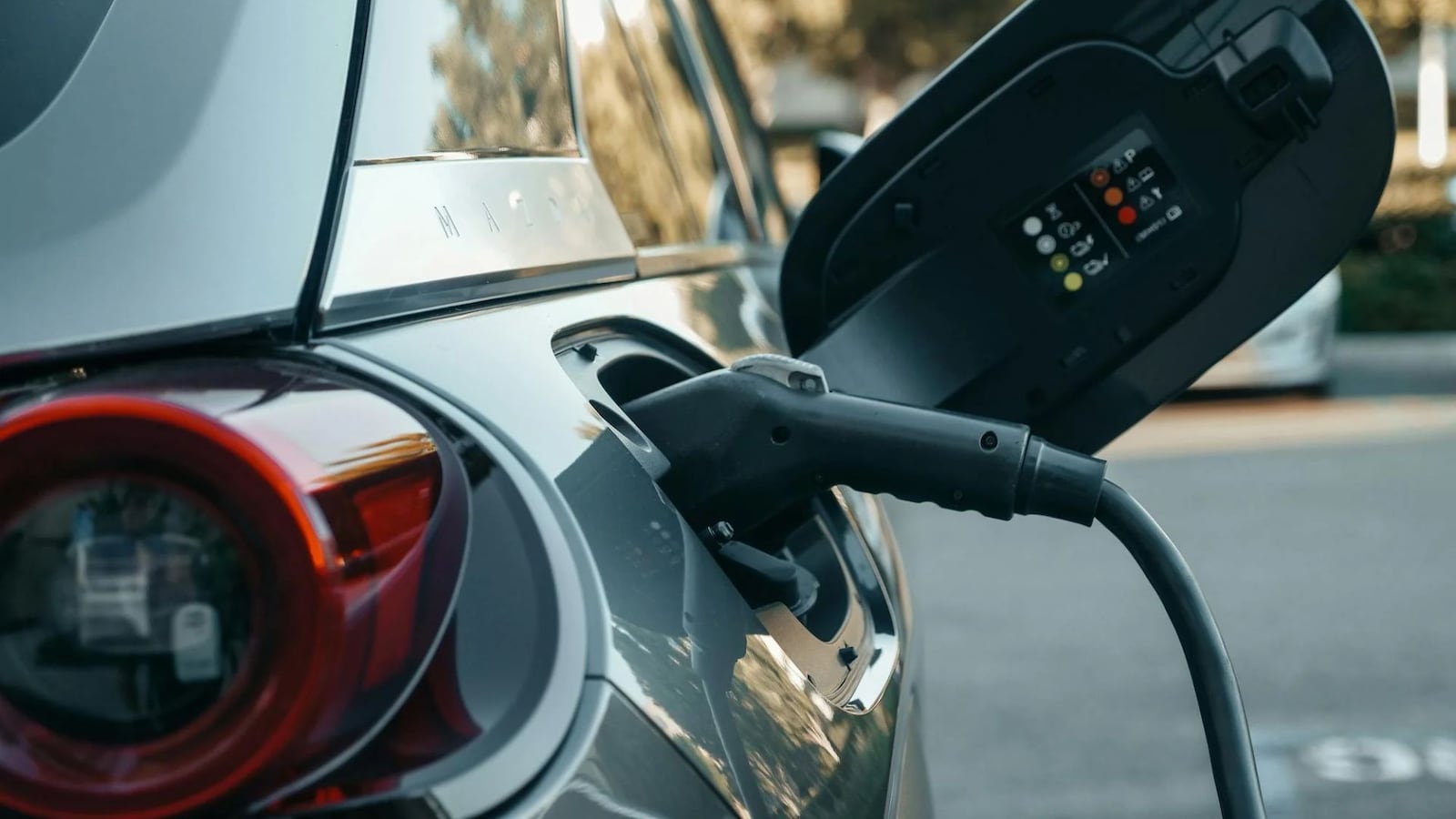
India's electric vehicle (EV) market is growing rapidly, with sales rising from 0.5 lakh in 2016 to over 23 lakh in 2025, driven mainly by two- and three-wheelers. However, a report highlights challenges in home charging infrastructure, with only 55% of prospective buyers having access and many relying on unsafe workarounds. Tata Motors leads the electric passenger vehicle segment, expanding its market share amid increasing competition and accelerated adoption influenced by geopolitical factors like the West Asia conflict. Meanwhile, a survey reports that over 60% of pre-2023 petrol vehicle owners have experienced a fuel mileage drop since the E20 petrol rollout in 2025.
First-hand measurement across 4 sources
We measured how 4 outlets covered this story. Coverage leans balanced overall (Left 2%, Centre 97%, Right 1%). Overall sentiment is neutral (62/100). Lens Score 26/100 — low public interest.
Outlets analysed (first-hand measurement by TBN's Bias Engine):
- businessstandard— balanced framing, positive sentiment
- businessstandard— balanced framing, neutral sentiment
- ndtv— balanced framing, neutral sentiment
- ndtv— balanced framing, positive sentiment
AI Analysis
The articles collectively present a range of perspectives including industry insights, consumer experiences, and policy impacts without overt political framing. Industry leaders like Tata Motors emphasize market growth and geopolitical influences, while consumer surveys highlight challenges with traditional petrol vehicles. The coverage balances corporate viewpoints, consumer concerns, and infrastructure issues, reflecting a multifaceted view of India's evolving automotive landscape.
The overall tone is mixed but largely informative, combining positive developments in EV adoption and market leadership with concerns about home charging infrastructure and fuel efficiency declines in petrol vehicles. While growth and innovation are highlighted, practical challenges and consumer issues are also acknowledged, resulting in a balanced sentiment that neither overly praises nor criticizes the sector.