India's EV Market Expands Amid Infrastructure Challenges and Policy Shifts
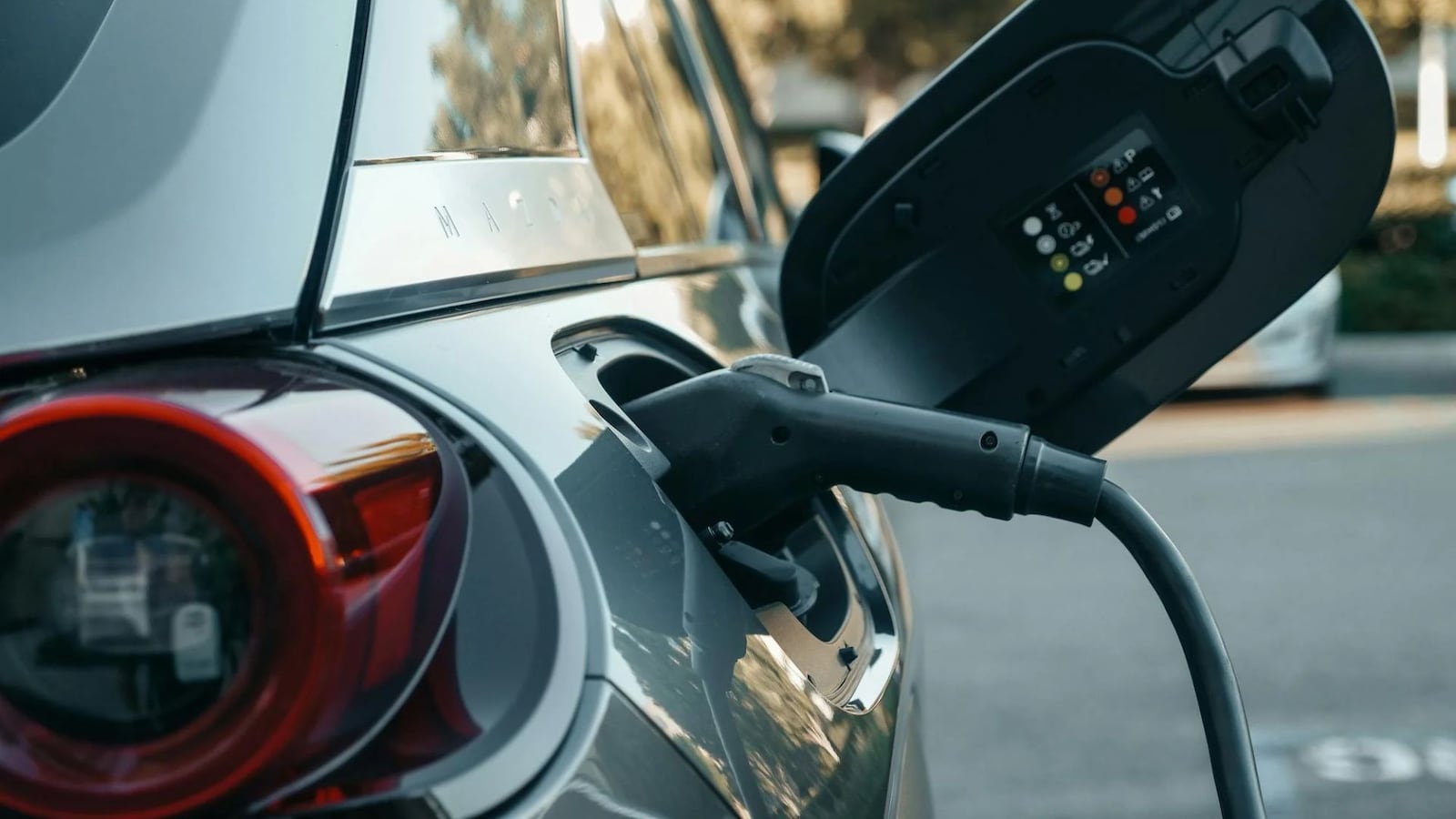
India's electric vehicle (EV) market is growing rapidly, with Tata Motors leading in passenger EV registrations and Mahindra narrowing the gap through strong growth. The West Asia conflict has accelerated EV adoption by shifting consumer interest. However, challenges remain, including limited home charging infrastructure and policy shifts favoring full EVs over hybrids. Additionally, the government plans to introduce fuel-efficiency norms for two-wheelers by 2028, reflecting efforts to reduce fuel consumption amid rising EV penetration.
First-hand measurement across 9 sources
We measured how 9 outlets covered this story. Coverage leans balanced overall (Left 5%, Centre 93%, Right 2%). Overall sentiment is neutral (64/100). Lens Score 26/100 — low public interest.
Outlets analysed (first-hand measurement by TBN's Bias Engine):
- news18— balanced framing, positive sentiment
- thetribune— balanced framing, positive sentiment
- mint— balanced framing, neutral sentiment
- businessstandard— balanced framing, positive sentiment
- mint— balanced framing, neutral sentiment
- businessstandard— balanced framing, positive sentiment
- businessstandard— balanced framing, neutral sentiment
- ndtv— balanced framing, neutral sentiment
AI Analysis
The article group presents a range of perspectives including industry leaders, government policy developments, and consumer surveys. It covers viewpoints from major automakers like Tata Motors and Mahindra, government regulatory actions on EV incentives and fuel efficiency, and consumer experiences with vehicle performance. The coverage balances industry optimism about EV growth with acknowledgment of infrastructural and policy challenges, without favoring any political ideology.
The overall tone is mixed but largely neutral, combining positive developments such as rising EV sales and market competition with concerns about home charging limitations and policy exclusions for hybrids. While industry growth and government initiatives are highlighted positively, consumer challenges and evolving regulations introduce a cautious note, resulting in balanced coverage without overt optimism or criticism.