Kharif Crop Sowing Progresses Amid Weak Monsoon, Acreage Below Last Year
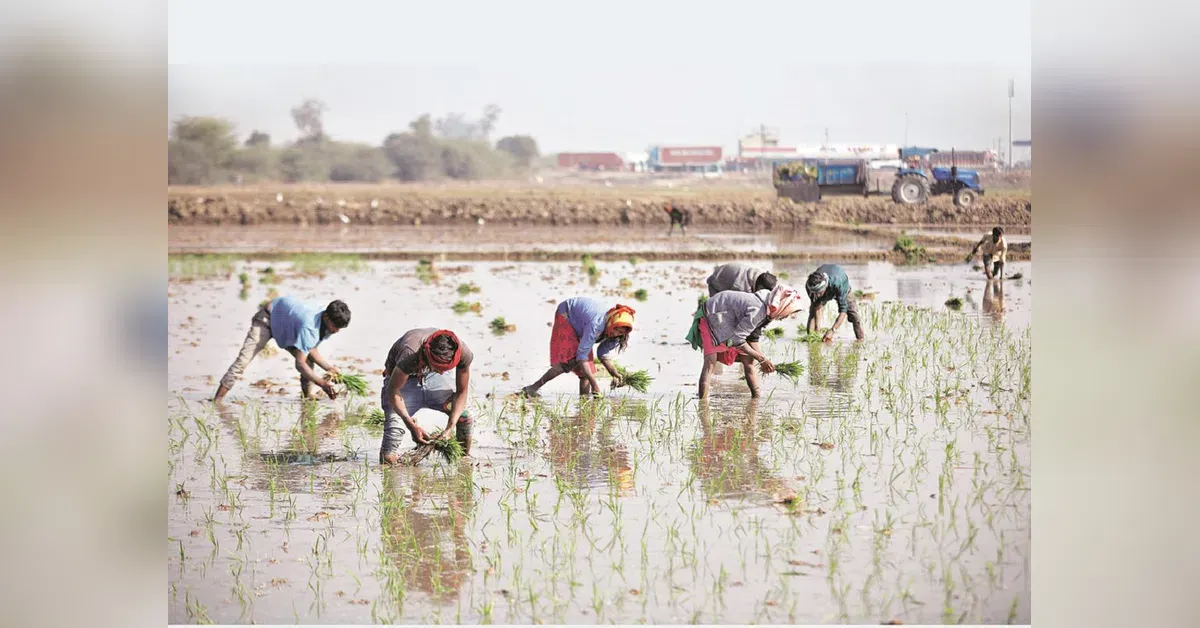
Kharif sowing in India is progressing but remains about 16-25% below last year's levels due to a weak and erratic monsoon influenced by El Niño. While some states like Telangana report slightly higher acreage, widespread monsoon deficiencies and dry spells have delayed sowing, especially in Rajasthan and Telangana, raising concerns over crop yields. Major crops such as paddy, pulses, coarse cereals, oilseeds, and cotton show reduced coverage, though sugarcane and jute areas have increased marginally. Forecasts predict subdued rainfall in key regions, potentially impacting the kharif harvest.
First-hand measurement across 4 sources
We measured how 4 outlets covered this story. Coverage leans balanced overall (Left 0%, Centre 100%, Right 0%). Overall sentiment is neutral (36/100). Lens Score 30/100 — low public interest.
Outlets analysed (first-hand measurement by TBN's Bias Engine):
- economictimes— balanced framing, negative sentiment
- businessstandard— balanced framing, neutral sentiment
- businessstandard— balanced framing, neutral sentiment
- thehindu— balanced framing, negative sentiment
AI Analysis
The articles collectively present a factual overview of kharif sowing trends without evident political bias. They include government data and expert opinions, highlighting challenges due to monsoon variability and El Niño effects. Perspectives from agricultural officials, farmers, and meteorological departments are included, focusing on agronomic and climatic factors rather than political narratives.
The overall tone across the articles is cautiously concerned, reflecting the agricultural sector's challenges from weak and erratic monsoon rains. While some optimism exists about sowing picking up with improved rainfall, the coverage emphasizes risks to crop yields and productivity. The sentiment is balanced, combining factual reporting of delays and acreage shortfalls with acknowledgment of ongoing sowing efforts.