India Prepares for 2026 Kharif Season Amid El Nino Rainfall Variability Risks
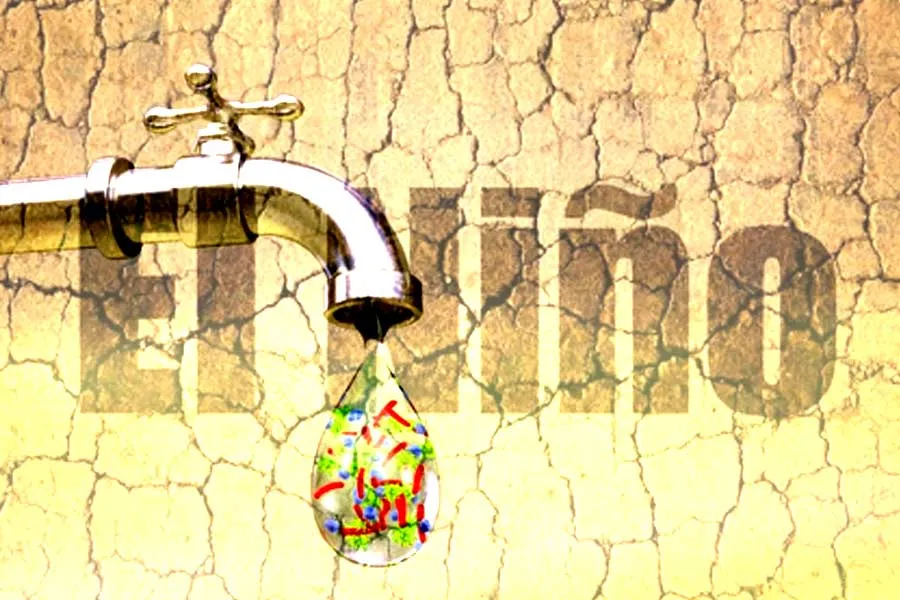
India faces potential challenges in its 2026 kharif season due to an anticipated El Nino event, which typically causes rainfall variability and heat stress. While healthy reservoir storage and irrigation may mitigate early sowing impacts, risks remain from moisture stress, pest infections, and constrained fertiliser supplies. Historical El Nino years have seen mixed effects on monsoon rainfall and crop yields. Experts note improved preparedness through climate-smart practices and better agri-input access, though vigilance is advised amid ongoing weather uncertainties and global supply disruptions.
First-hand measurement across 4 sources
We measured how 4 outlets covered this story. Coverage leans balanced overall (Left 2%, Centre 97%, Right 1%). Overall sentiment is neutral (54/100). Lens Score 31/100 — low public interest.
Outlets analysed (first-hand measurement by TBN's Bias Engine):
- thetelegraph— balanced framing, neutral sentiment
- indiatoday— balanced framing, neutral sentiment
- economictimes— balanced framing, positive sentiment
- thetelegraph— balanced framing, negative sentiment
AI Analysis
The article group presents a range of perspectives including government data, expert analysis, and industry viewpoints without partisan framing. It highlights official forecasts, historical context, and private sector insights, reflecting a balanced approach to the agricultural and climatic challenges posed by El Nino. The coverage avoids political polarization, focusing instead on preparedness and risk management.
The overall tone is cautiously concerned but measured, acknowledging potential adverse impacts of El Nino on agriculture while emphasizing mitigating factors like reservoir levels and improved farming practices. The sentiment balances warnings about risks with recognition of enhanced readiness, resulting in a mixed but pragmatic outlook across the sources.
How 4 sources covered this story
Each source's own headline, political lean, and sentiment — so you can see framing differences at a glance.