Skip to content
Get the Balanced News app for a better experience!
The Balanced News Logo
Analytics
The Balanced News Logo

Stay Balanced, Stay Informed

Menu
  • Browse News
  • Underreported Stories
  • Curated Feeds
  • Insights
  • Analytics
  • Our Writers
  • About Us
  • Download App
Learn
  • How It Works
  • Bias Detection
  • Lens Score
  • Source Bias Checker
  • Accountability
  • Custom Feeds
Newsroom
  • Writers & Analysts
  • About TBN
  • Editorial Standards
  • Corrections Policy
  • Our Partners
  • Insights
Socials
  • Youtube
  • Instagram
  • X
  • Facebook
News Categories
  • Trending
  • Politics
  • Sports
  • Business
  • Tech
  • Entertainment
  • Health
  • Science
  • Crime
  • Lifestyle
  • National
  • International
  • Good News
  • Crypto

Get Our App

Available for iOS and Android


LensFeedsInsightsAnalyticsTrendingGood NewsSportsPoliticsBusinessCrimeTechEntertainmentHealthNationalInternational

© 2026 The Balanced News. All rights reserved.

About UsEditorial StandardsCorrectionsHelp & SupportPrivacy PolicyTerms & Conditions
ICRIER Recommends Fertiliser Subsidy Cash Transfers, Advises Caution on AgriStack Use
Categories

Categories

Related Coverage

Select a news story to see related coverage from other media outlets.

Related Coverage

Select a news story to see related coverage from other media outlets.

  1. Home
  2. /
  3. Business

ICRIER Recommends Fertiliser Subsidy Cash Transfers, Advises Caution on AgriStack Use

Analysed 23 Oct 2026·2 sources analysed·India·Business
ICRIER Recommends Fertiliser Subsidy Cash Transfers, Advises Caution on AgriStack UsePreviousNext

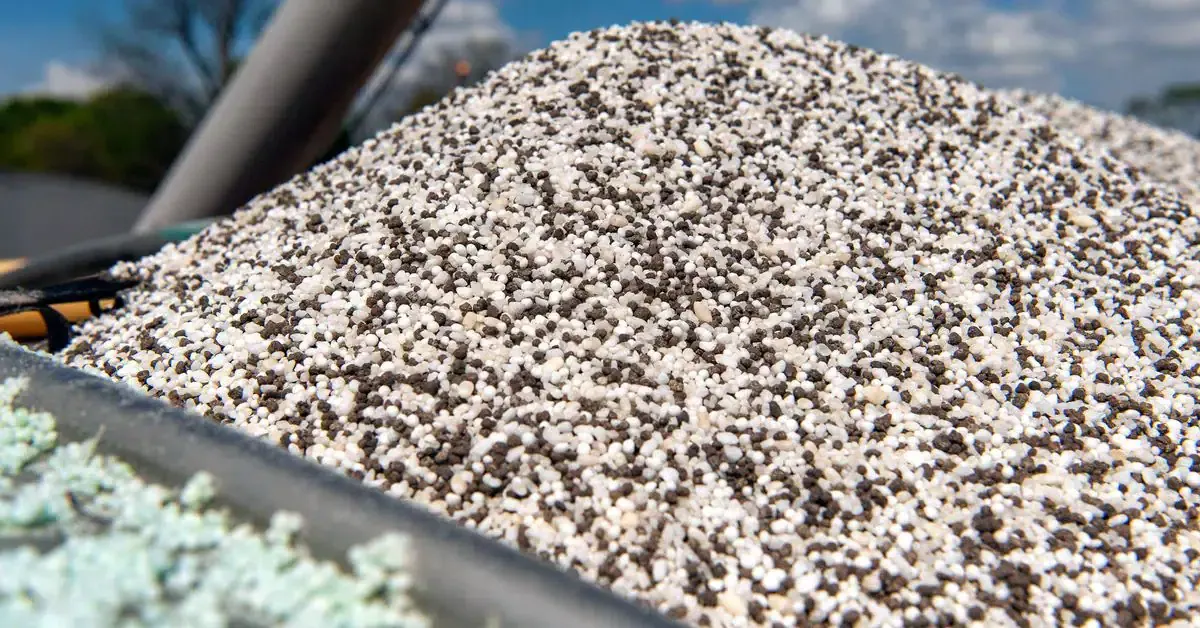
Two policy briefs by the Indian Council for Research on International Economic Relations (ICRIER) recommend direct cash transfers to farmers to address India's rising fertiliser subsidy bill, projected to reach Rs 2.42-3.32 trillion in FY27 due to disruptions at the Strait of Hormuz. The papers advise cautious use of digital tools like AgriStack for rationalising fertiliser use, noting foundational requirements before implementation. Authored by agricultural economists including Ashok Gulati and Ramesh Chand, the briefs highlight subsidy growth from Rs 0.14 trillion in 2000-01 to a peak of Rs 2.51 trillion in 2022-23.

Sentiment
52%
TBN's observations

First-hand measurement across 2 sources

We measured how 2 outlets covered this story. No outlet gave this story a measurable political slant — there is no left–right reading to report. Overall sentiment is neutral (52/100). Lens Score 45/100.

Outlets measured: businessstandard, businessstandard. See how each one headlined and framed the same story in the source comparison below.

AI analysis of 2 sources · Published under editorial oversight by The Balanced News
Analysed 23 Oct 2026· How this analysis is produced· Editorial standards· Corrections

AI Analysis

Sentiment — Neutral (52/100)

Sentiment was consistent across outlets (52–52/100), indicating broadly factual reporting rather than editorialising.

Coverage timeline

businessstandard broke this story on 22 Oct, 02:48 pm. Other outlets followed.

22 Oct, 02:48 pm2 sources · 17 h23 Oct, 07:54 am
  1. 1
AI analysis by the TBN Bias Engine · beat methodology byMrunal Wange· Business & Economy Editor· editorial standards byOjas Kale
← Previous
Sagility Reports Strong Q2 Results, Raises Margin Guidance with Buy Ratings
Next →
Bombay Coated and Special Steels Opens Rs 183 Crore IPO from October 29
businessstandard22 Oct, 02:48 pm
ICRIER papers back fertiliser cash transfers, urge caution on AgriStack use
  • 2
    businessstandard23 Oct, 07:54 am
    ICRIER backs direct cash transfer as fertiliser subsidy bill surges
  • Who's involved

    Institutions and figures named across source coverage.

    Government
    NITI AayogCentral Government

    Story context

    Category
    Business
    Location
    India
    Sources analysed
    2
    Last analysed
    23 Oct 2026
    Key entities
    SubsidyFertilizerIndian rupeeIndiaGross value addedStrait of HormuzNITI AayogHaryanaPunjab, IndiaRussian invasion of UkraineNitrogenNational Security Agency