India Plans Major Expansion of Energy Storage to Meet Rising Power Demand by 2035
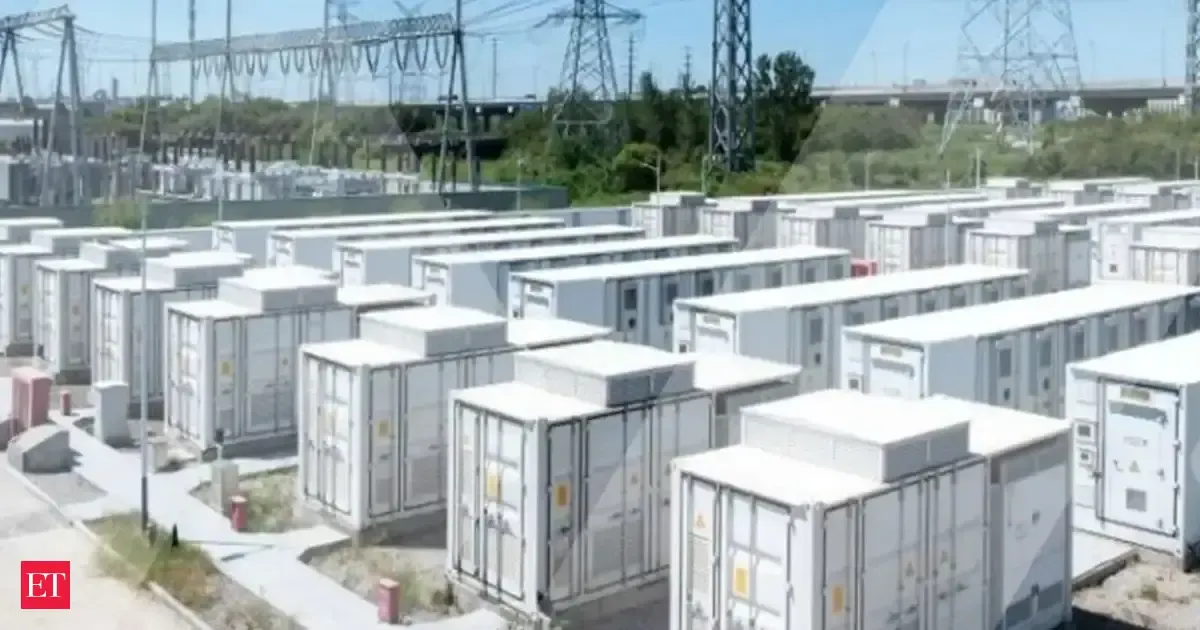
India's peak power demand is projected to reach 300 GW by 2027, driven by growth in data centres, AI, and electric vehicles. The rapid expansion of solar capacity, now at 157 GW, has shifted the challenge from generation to managing grid flexibility and availability. Reports highlight the need to scale up energy storage from 1 GWh currently to 888 GWh by 2035-36 to stabilize the grid and support renewable integration. Despite a surge in storage tenders and capacity, domestic lithium-ion manufacturing remains limited, prompting calls for increased investment and localization.
First-hand measurement across 6 sources
We measured how 6 outlets covered this story. Coverage leans balanced overall (Left 9%, Centre 85%, Right 6%). Overall sentiment is positive (71/100). Lens Score 31/100 — low public interest.
Outlets analysed (first-hand measurement by TBN's Bias Engine):
- thetribune— balanced framing, neutral sentiment
- economictimes— balanced framing, positive sentiment
- businessstandard— balanced framing, positive sentiment
- economictimes— balanced framing, positive sentiment
- thetribune— balanced framing, neutral sentiment
- thetribune— balanced framing, neutral sentiment
AI Analysis
The article group presents a largely technical and policy-focused perspective, emphasizing government and industry viewpoints on energy storage and grid management. Sources include official statements from the Economic Advisory Council and the Power Ministry, industry reports, and expert commentary, reflecting a consensus on the importance of storage without partisan framing. The coverage highlights government initiatives and industry challenges without overt political positioning.
The overall tone is cautiously optimistic, focusing on India's progress in renewable energy and energy storage capacity growth while acknowledging challenges such as manufacturing shortfalls. The sentiment balances recognition of achievements with the need for further investment and infrastructure development, maintaining a constructive and forward-looking outlook without sensationalism.