Skip to content
Get the Balanced News app for a better experience!
The Balanced News Logo
Analytics
The Balanced News Logo

Stay Balanced, Stay Informed

Menu
  • Browse News
  • Underreported Stories
  • Curated Feeds
  • Insights
  • Analytics
  • Our Writers
  • About Us
  • Download App
Learn
  • How It Works
  • Bias Detection
  • Lens Score
  • Source Bias Checker
  • Accountability
  • Custom Feeds
Newsroom
  • Writers & Analysts
  • About TBN
  • Editorial Standards
  • Corrections Policy
  • Our Partners
  • Insights
Socials
  • Youtube
  • Instagram
  • X
  • Facebook
News Categories
  • Trending
  • Politics
  • Sports
  • Business
  • Tech
  • Entertainment
  • Health
  • Science
  • Crime
  • Lifestyle
  • National
  • International
  • Good News
  • Crypto

Get Our App

Available for iOS and Android


LensFeedsInsightsAnalyticsTrendingGood NewsSportsPoliticsBusinessCrimeTechEntertainmentHealthNationalInternational

© 2026 The Balanced News. All rights reserved.

About UsEditorial StandardsCorrectionsHelp & SupportPrivacy PolicyTerms & Conditions
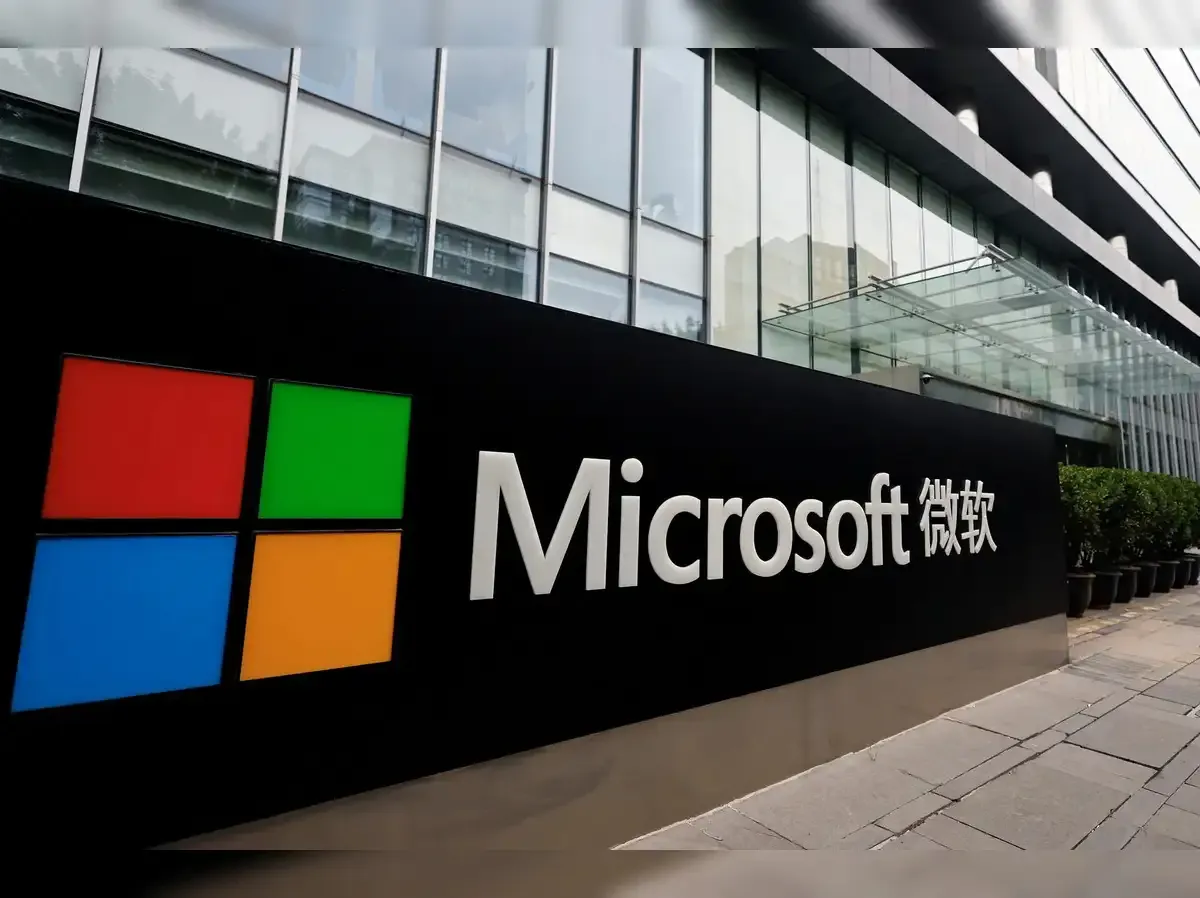
Microsoft Scales Back in China Amid Geopolitical Risks but Maintains Presence
Categories

Categories

Related Coverage

Select a news story to see related coverage from other media outlets.

Related Coverage

Select a news story to see related coverage from other media outlets.

  1. Home
  2. /
  3. Business

Microsoft Scales Back in China Amid Geopolitical Risks but Maintains Presence

Analysed 13 Aug 2026·2 sources analysed·China·Business
Microsoft Scales Back in China Amid Geopolitical Risks but Maintains PresencePreviousNext

Microsoft has reduced its presence in China over the past five years, closing at least 15 offices and joint ventures amid geopolitical tensions and market challenges. The company considered exiting China in 2023 due to limited economic returns and increased risks but currently has no plans to leave. China’s push for domestic software and U.S. export controls have constrained Microsoft’s AI and cloud business growth there, with China accounting for just 1.5% of its global revenue in 2024.

Sentiment
49%
TBN's observations

First-hand measurement across 2 sources

We measured how 2 outlets covered this story. No outlet gave this story a measurable political slant — there is no left–right reading to report. Overall sentiment is neutral (49/100). Lens Score 44/100.

Outlets measured: economictimes, timesnow. See how each one headlined and framed the same story in the source comparison below.

AI analysis of 2 sources · Published under editorial oversight by The Balanced News
Analysed 13 Aug 2026· How this analysis is produced· Editorial standards· Corrections

AI Analysis

Sentiment — Neutral (49/100)

Sentiment was consistent across outlets (48–50/100), indicating broadly factual reporting rather than editorialising.

Coverage timeline

timesnow broke this story on 13 Aug, 11:20 am. Other outlets followed.

13 Aug, 11:20 am2 sources · 36 min13 Aug, 11:55 am
  1. 1
AI analysis by the TBN Bias Engine · beat methodology byMrunal Wange· Business & Economy Editor· editorial standards byOjas Kale
← Previous
SEBI Proposes Expanded Accredited Investor Criteria Including Securities Assets Route
Next →
BHEL Partners with Norway's Hystar to Manufacture PEM Electrolyser Systems
timesnow13 Aug, 11:20 am
Microsoft Retreats In China, But AI Boom Helps It Keep A Window Open
  • 2
    economictimes13 Aug, 11:55 am
    Microsoft retreats in China, but AI boom helps it keep a window open
  • Who's involved

    Institutions and figures named across source coverage.

    Government
    Ministry of Finance of the People's Republic of ChinaGovernment of the United States of AmericaGovernment of the People's Republic of ChinaChinese Communist Party
    Corporate
    Microsoft CorporationByteDance LimitedShein GroupOpenAI Incorporated

    Story context

    Category
    Business
    Location
    China
    Sources analysed
    2
    Last analysed
    13 Aug 2026
    Key entities
    Artificial intelligenceGeopoliticsMicrosoftChinaMicrosoft WindowsWashington (state)BeijingCloud computingSoftwareSteve BallmerJoint ventureBill Gates