Samsung and SK Hynix Invest Trillions to Expand South Korea's AI Chip Production
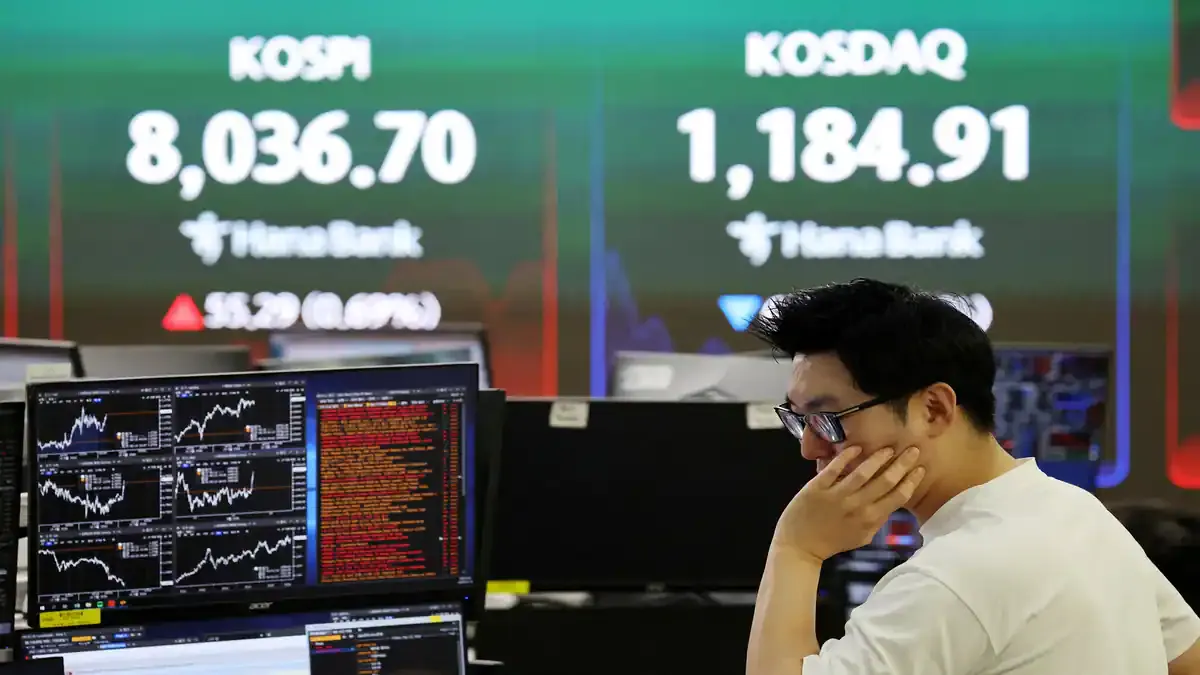
South Korean tech giants Samsung Electronics and SK Hynix are investing over 3,200 trillion won (approximately $2.07 trillion) to expand memory chip production, aiming to double national capacity within five years amid rising global AI demand. The government supports this initiative, promoting new semiconductor hubs beyond Seoul to address resource constraints. While the expansion is praised as vital for South Korea's semiconductor leadership and export growth, analysts caution about potential oversupply risks if AI spending slows, reflecting past industry cycles.
First-hand measurement across 15 sources
We measured how 15 outlets covered this story. Coverage leans balanced overall (Left 0%, Centre 100%, Right 0%). Overall sentiment is neutral (34/100). Lens Score 44/100 — moderate-to-low public interest.
Outlets analysed (first-hand measurement by TBN's Bias Engine):
- economictimes— balanced framing, neutral sentiment
- economictimes— balanced framing, negative sentiment
- mint— balanced framing, negative sentiment
- firstpost— balanced framing, neutral sentiment
- economictimes— balanced framing, positive sentiment
- firstpost— balanced framing, positive sentiment
- theprint— balanced framing, neutral sentiment
- thetribune— balanced framing, positive sentiment
AI Analysis
The article group presents a range of perspectives including government endorsements praising Samsung and SK Hynix's investments as national strategic moves, alongside analysts' cautious views on market risks. Coverage includes official statements from President Lee Jae Myung and industry ministers, as well as critical viewpoints on regional development and infrastructure challenges, reflecting a balanced mix of supportive and skeptical framings.
Overall sentiment is cautiously optimistic, highlighting strong government backing and significant investment in AI chip production as positive developments for South Korea's economy and global position. However, the tone also incorporates warnings about potential oversupply and market timing risks, resulting in a mixed but constructive coverage that acknowledges both opportunities and challenges.