TSMC Reports Record Q2 Revenue Growth Amid AI Demand and U.S. Expansion Plans
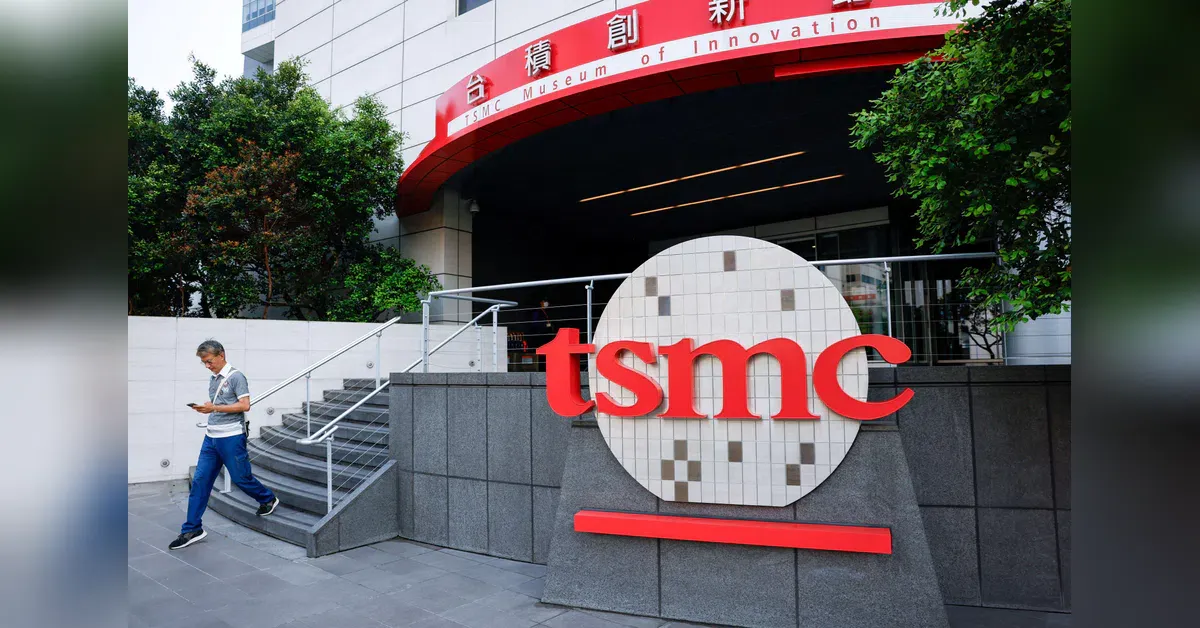
Taiwan Semiconductor Manufacturing Co. (TSMC) reported a record second-quarter revenue of approximately NT 1.27 trillion (USD 39.62 billion), marking a 36% year-on-year increase driven by strong demand for artificial intelligence applications. June revenue alone rose 67.9% year-on-year to NT 442.68 billion (USD 14.6 billion), up 6.2% from May. For the first half of 2026, total revenue grew 35.6% to NT 2.4 trillion (USD 79.35 billion). TSMC also received regulatory approval to invest USD 20 billion in expanding its Arizona facilities, part of a broader USD 44 billion investment in the U.S.
First-hand measurement across 5 sources
We measured how 5 outlets covered this story. Coverage leans balanced overall (Left 0%, Centre 100%, Right 0%). Overall sentiment is positive (75/100). Lens Score 33/100 — low public interest.
Outlets analysed (first-hand measurement by TBN's Bias Engine):
- mint— balanced framing, positive sentiment
- news18— balanced framing, positive sentiment
- thetribune— balanced framing, positive sentiment
- businessstandard— balanced framing, positive sentiment
- economictimes— balanced framing, positive sentiment
AI Analysis
The article group presents a largely business-focused perspective, emphasizing TSMC's financial performance and investment activities without political framing. Coverage includes corporate forecasts, regulatory approvals, and market impacts, reflecting viewpoints from company reports and government investment authorities. There is no evident partisan bias, with sources focusing on economic and industrial developments.
The overall sentiment across the articles is positive, highlighting strong revenue growth and successful investment approvals. The tone is factual and optimistic about TSMC's financial health and expansion plans, with no critical or negative commentary. The coverage underscores business achievements and market confidence driven by AI demand.
How 5 sources covered this story
Each source's own headline, political lean, and sentiment — so you can see framing differences at a glance.