Skip to content
Get the Balanced News app for a better experience!
The Balanced News Logo
Analytics
The Balanced News Logo

Stay Balanced, Stay Informed

Menu
  • Browse News
  • Underreported Stories
  • Curated Feeds
  • Insights
  • Analytics
  • Our Writers
  • About Us
  • Download App
Learn
  • How It Works
  • Bias Detection
  • Lens Score
  • Source Bias Checker
  • Accountability
  • Custom Feeds
Newsroom
  • Writers & Analysts
  • About TBN
  • Editorial Standards
  • Corrections Policy
  • Our Partners
  • Insights
Socials
  • Youtube
  • Instagram
  • X
  • Facebook
News Categories
  • Trending
  • Politics
  • Sports
  • Business
  • Tech
  • Entertainment
  • Health
  • Science
  • Crime
  • Lifestyle
  • National
  • International
  • Good News
  • Crypto

Get Our App

Available for iOS and Android


LensFeedsInsightsAnalyticsTrendingGood NewsSportsPoliticsBusinessCrimeTechEntertainmentHealthNationalInternational

© 2026 The Balanced News. All rights reserved.

About UsEditorial StandardsCorrectionsHelp & SupportPrivacy PolicyTerms & Conditions
U.S. Tariffs on Canadian Imports Threaten Auto Industry Amid Trade Dispute
Categories

Categories

Related Coverage

Select a news story to see related coverage from other media outlets.

Related Coverage

Select a news story to see related coverage from other media outlets.

  1. Home
  2. /
  3. Business

U.S. Tariffs on Canadian Imports Threaten Auto Industry Amid Trade Dispute

Analysed 31 Aug 2026·2 sources analysed·United States·Business
U.S. Tariffs on Canadian Imports Threaten Auto Industry Amid Trade DisputePreviousNext

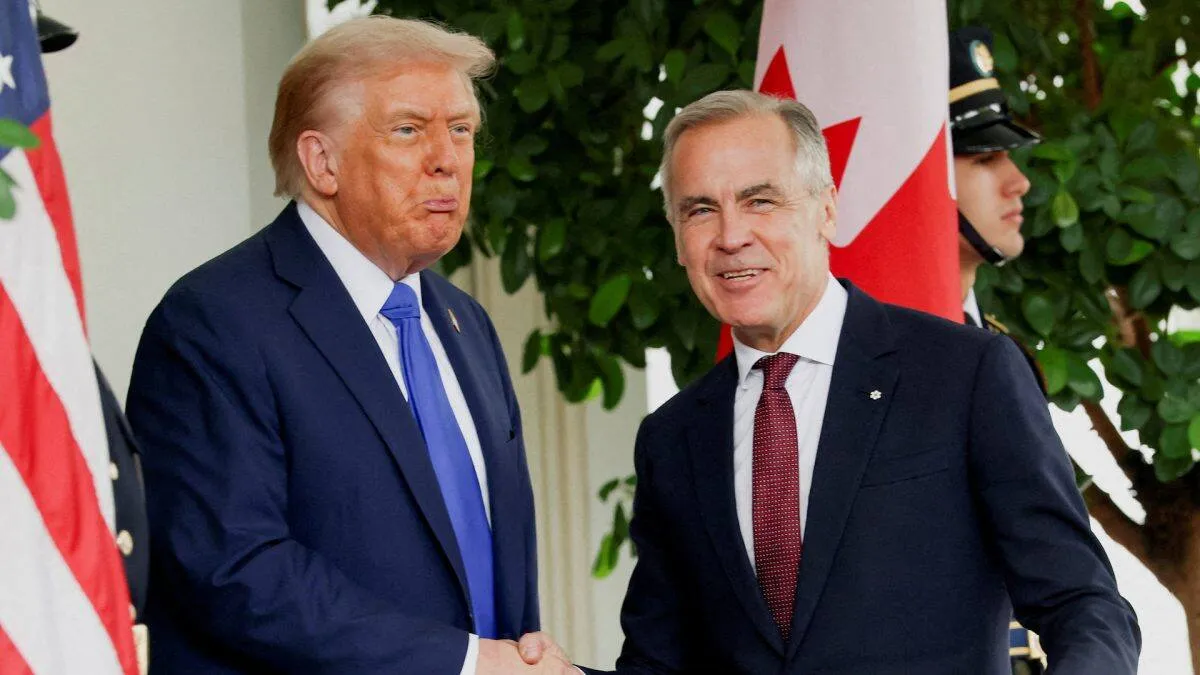
The U.S. has proposed a 50% tariff on Canadian car imports, potentially impacting Japanese automakers Toyota and Honda, which produce most Canadian vehicles and rely heavily on the U.S. market. This move could disrupt North American automotive supply chains and lead to production cuts in Canada. The tariff escalation follows failed trade negotiations, with both countries imposing tariffs on billions of dollars of goods. The deeply integrated U.S.-Canada trade relationship complicates swift resolution, as many goods cross borders as production inputs.

Sentiment
41%
TBN's observations

First-hand measurement across 2 sources

We measured how 2 outlets covered this story. No outlet gave this story a measurable political slant — there is no left–right reading to report. Overall sentiment is neutral (41/100). Lens Score 54/100.

Outlets measured: firstpost, economictimes. See how each one headlined and framed the same story in the source comparison below.

AI analysis of 2 sources · Published under editorial oversight by The Balanced News
Analysed 31 Aug 2026· How this analysis is produced· Editorial standards· Corrections

AI Analysis

Sentiment — Neutral (41/100)

Sentiment was consistent across outlets (32–50/100), indicating broadly factual reporting rather than editorialising.

Coverage timeline

economictimes broke this story on 31 Aug, 04:00 am. Other outlets followed.

31 Aug, 04:00 am2 sources · 3 h31 Aug, 07:15 am
  1. 1
AI analysis by the TBN Bias Engine · beat methodology byMrunal Wange· Business & Economy Editor· editorial standards byOjas Kale
← Previous
Bank of England Governor Warns G20 of AI Risks to Financial Stability and Markets
Next →
September 2026 Car Launches in India Include Kia Sorento and Baleno Facelift
economictimes31 Aug, 04:00 am
Trump aims at Canada. Toyota and Honda could pay the bill
  • 2
    firstpost31 Aug, 07:15 am
    Trump's Canada tariff war: Why America can't easily untangle 880 billion in trade
  • Who's involved

    Institutions and figures named across source coverage.

    Government
    Government of CanadaGovernment of the United States of AmericaUnited States Government
    Corporate
    General Motors CompanyToyota Motor CorporationHonda Motor Company LimitedHonda Motor Company
    Political
    Republican Party

    Story context

    Category
    Business
    Location
    United States
    Sources analysed
    2
    Last analysed
    31 Aug 2026
    Key entities
    TariffHondaToyotaAutomotive industryDonald TrumpUnited StatesJapanCanadaSupply chainOttawaNorth AmericaEurope