Skip to content
Get the Balanced News app for a better experience!
The Balanced News Logo
Analytics
The Balanced News Logo

Stay Balanced, Stay Informed

Menu
  • Browse News
  • Underreported Stories
  • Curated Feeds
  • Insights
  • Analytics
  • Our Writers
  • About Us
  • Download App
Learn
  • How It Works
  • Bias Detection
  • Lens Score
  • Source Bias Checker
  • Accountability
  • Custom Feeds
Newsroom
  • Writers & Analysts
  • About TBN
  • Editorial Standards
  • Corrections Policy
  • Our Partners
  • Insights
Socials
  • Youtube
  • Instagram
  • X
  • Facebook
News Categories
  • Trending
  • Politics
  • Sports
  • Business
  • Tech
  • Entertainment
  • Health
  • Science
  • Crime
  • Lifestyle
  • National
  • International
  • Good News
  • Crypto

Get Our App

Available for iOS and Android


LensFeedsInsightsAnalyticsTrendingGood NewsSportsPoliticsBusinessCrimeTechEntertainmentHealthNationalInternational

© 2026 The Balanced News. All rights reserved.

About UsEditorial StandardsCorrectionsHelp & SupportPrivacy PolicyTerms & Conditions
Chegg Study Finds 30% of U.S. Employers Lose Work Time Due to Skills Gaps
Categories

Categories

Related Coverage

Select a news story to see related coverage from other media outlets.

Related Coverage

Select a news story to see related coverage from other media outlets.

  1. Home
  2. /
  3. Business

Chegg Study Finds 30% of U.S. Employers Lose Work Time Due to Skills Gaps

Analysed 17 Jun 2026·3 sources analysed·San Francisco, United States·Business
Chegg Study Finds 30% of U.S. Employers Lose Work Time Due to Skills GapsPreviousNext

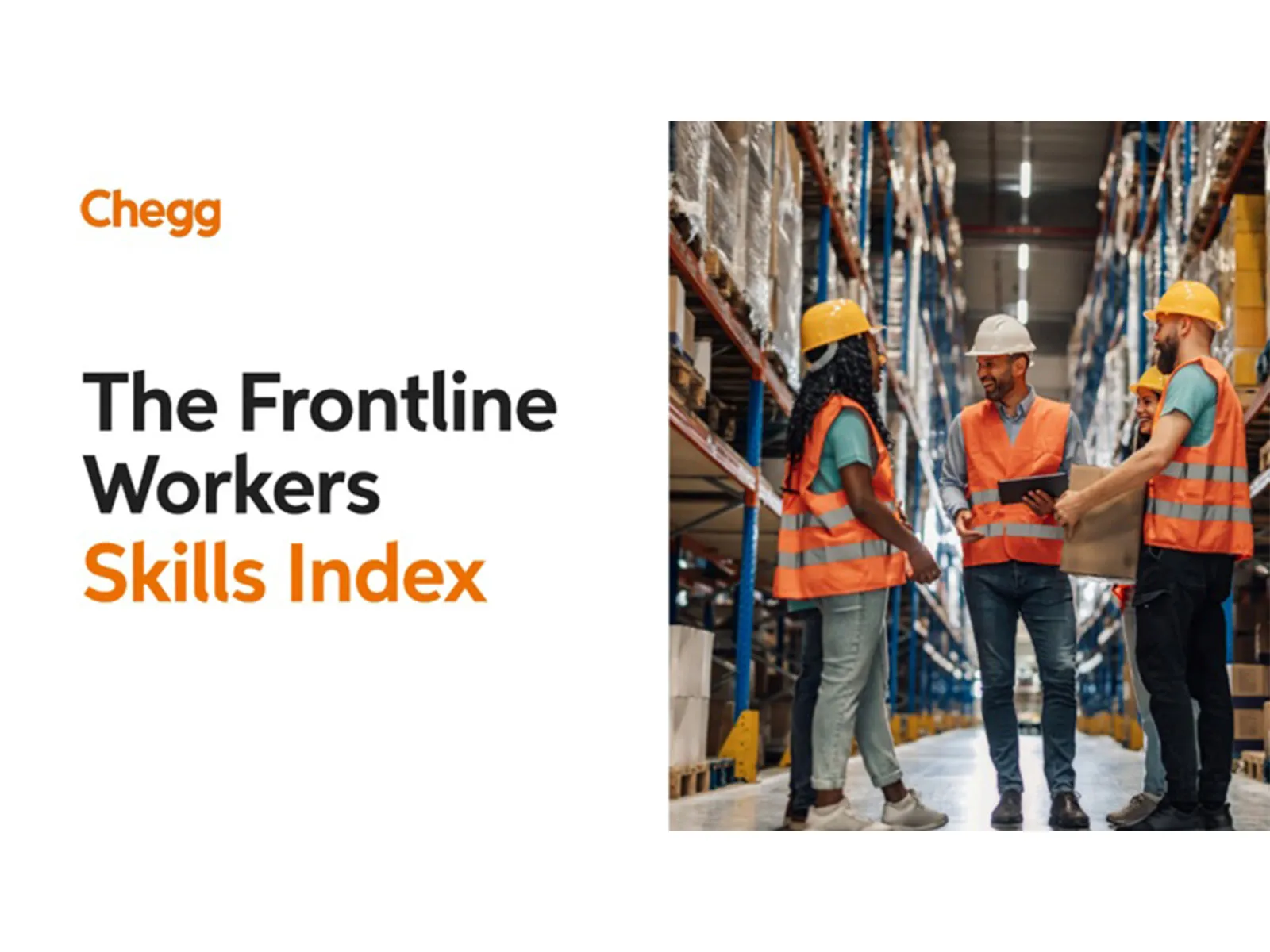
New research from Chegg reveals that 30% of U.S. employers in frontline industries lose over eight hours weekly compensating for workforce skills gaps. The study, surveying 1,000 employers and 1,005 employees, highlights differing views: employers prioritize AI readiness and operational performance, while employees focus on career growth and leadership. Both perspectives indicate that traditional training methods are insufficient, emphasizing the need for practical, future-oriented workforce development amid rapid AI changes.

TBN's observations

First-hand measurement across 3 sources

We measured how 3 outlets covered this story. Coverage leans balanced overall (Left 0%, Centre 100%, Right 0%). Overall sentiment is neutral (47/100). Lens Score 30/100 — low public interest.

Outlets analysed (first-hand measurement by TBN's Bias Engine):

  • thetribune— balanced framing, neutral sentiment
  • businessstandard— balanced framing, neutral sentiment
  • thetribune— balanced framing, neutral sentiment
Political Bias
0%100%0%
Sentiment
47%
AI analysis of 3 sources · Published under editorial oversight by The Balanced News
Analysed 17 Jun 2026· How this analysis is produced· Editorial standards· Corrections

AI Analysis

Political bias across 3 sources
● Left 0%● Center 100%● Right 0%

The articles present a neutral, research-based perspective focusing on workforce skills gaps without political framing. They include viewpoints from both employers and employees, reflecting differing priorities without favoring any political ideology. The coverage centers on industry challenges and training needs, avoiding partisan interpretations or policy debates.

Sentiment — Neutral (47/100)

The overall tone is informative and balanced, highlighting challenges faced by employers and employees due to skills gaps. While the findings point to concerns about training effectiveness and AI adaptation, the sentiment remains neutral, focusing on the need for improved workforce development rather than assigning blame or expressing optimism.

How 3 sources covered this story

Each source's own headline, political lean, and sentiment — so you can see framing differences at a glance.

Reviewed byMrunal Wange· Business & Economy Editor· Edited byOjas Kale
← Previous
G7 Leaders Address Economic Challenges Amid U.S.-Iran Conflict and Global Imbalances
Next →
Founder Highlights Cab Driver's Shift from Corporate Job to Gig Economy Earnings
SourceTheir headlineBiasSentiment
thetribuneThree in Ten U.S. Employers Lose a Full Workday Every Week to Skills Gaps, Chegg Research Finds - The TribuneCenterNeutral
businessstandardThree in Ten U.S. Employers Lose a Full Workday Every Week to Skills Gaps, Chegg Research FindsCenterNeutral
thetribuneThree in Ten U.S. Employers Lose a Full Workday Every Week to Skills Gaps, Chegg Research Finds - The TribuneCenterNeutral

Coverage timeline

thetribune broke this story on 17 Jun, 05:25 am. Other outlets followed.

  1. 1
    thetribune17 Jun, 05:25 am
    Three in Ten U.S. Employers Lose a Full Workday Every Week to Skills Gaps, Chegg Research Finds - The Tribune
  2. 2
    businessstandard17 Jun, 05:41 am
    Three in Ten U.S. Employers Lose a Full Workday Every Week to Skills Gaps, Chegg Research Finds
  3. 3
    thetribune17 Jun, 07:05 am
    Three in Ten U.S. Employers Lose a Full Workday Every Week to Skills Gaps, Chegg Research Finds - The Tribune

Lens Score breakdown

30/100
Public interest0/100
Coverage gap100%

Well-covered story — coverage matches public importance.

Who's involved

Institutions and figures named across source coverage.

Corporate
Chegg

Story context

Category
Business
Location
San Francisco, United States
Sources analysed
3
Last analysed
17 Jun 2026
Key entities
CheggArtificial intelligenceDan RosensweigWorkday, Inc.PerceptionChief executive officerFinanceSan FranciscoHospitalityOvertimeOccupational burnoutDecision-making