Skip to content
Get the Balanced News app for a better experience!
The Balanced News Logo
Analytics
The Balanced News Logo

Stay Balanced, Stay Informed

Menu
  • Browse News
  • Underreported Stories
  • Curated Feeds
  • Insights
  • Analytics
  • Our Writers
  • About Us
  • Download App
Learn
  • How It Works
  • Bias Detection
  • Lens Score
  • Source Bias Checker
  • Accountability
  • Custom Feeds
Newsroom
  • Writers & Analysts
  • About TBN
  • Editorial Standards
  • Corrections Policy
  • Our Partners
  • Insights
Socials
  • Youtube
  • Instagram
  • X
  • Facebook
News Categories
  • Trending
  • Politics
  • Sports
  • Business
  • Tech
  • Entertainment
  • Health
  • Science
  • Crime
  • Lifestyle
  • National
  • International
  • Good News
  • Crypto

Get Our App

Available for iOS and Android


LensFeedsInsightsAnalyticsTrendingGood NewsSportsPoliticsBusinessCrimeTechEntertainmentHealthNationalInternational

© 2026 The Balanced News. All rights reserved.

About UsEditorial StandardsCorrectionsHelp & SupportPrivacy PolicyTerms & Conditions
India Plans Subsidy Changes as Sulphur Price Surge Raises Fertiliser Costs
Categories

Categories

Related Coverage

Select a news story to see related coverage from other media outlets.

Related Coverage

Select a news story to see related coverage from other media outlets.

  1. Home
  2. /
  3. Business

India Plans Subsidy Changes as Sulphur Price Surge Raises Fertiliser Costs

Analysed 23 Sept 2026·2 sources analysed·India·Business
India Plans Subsidy Changes as Sulphur Price Surge Raises Fertiliser CostsPreviousNext

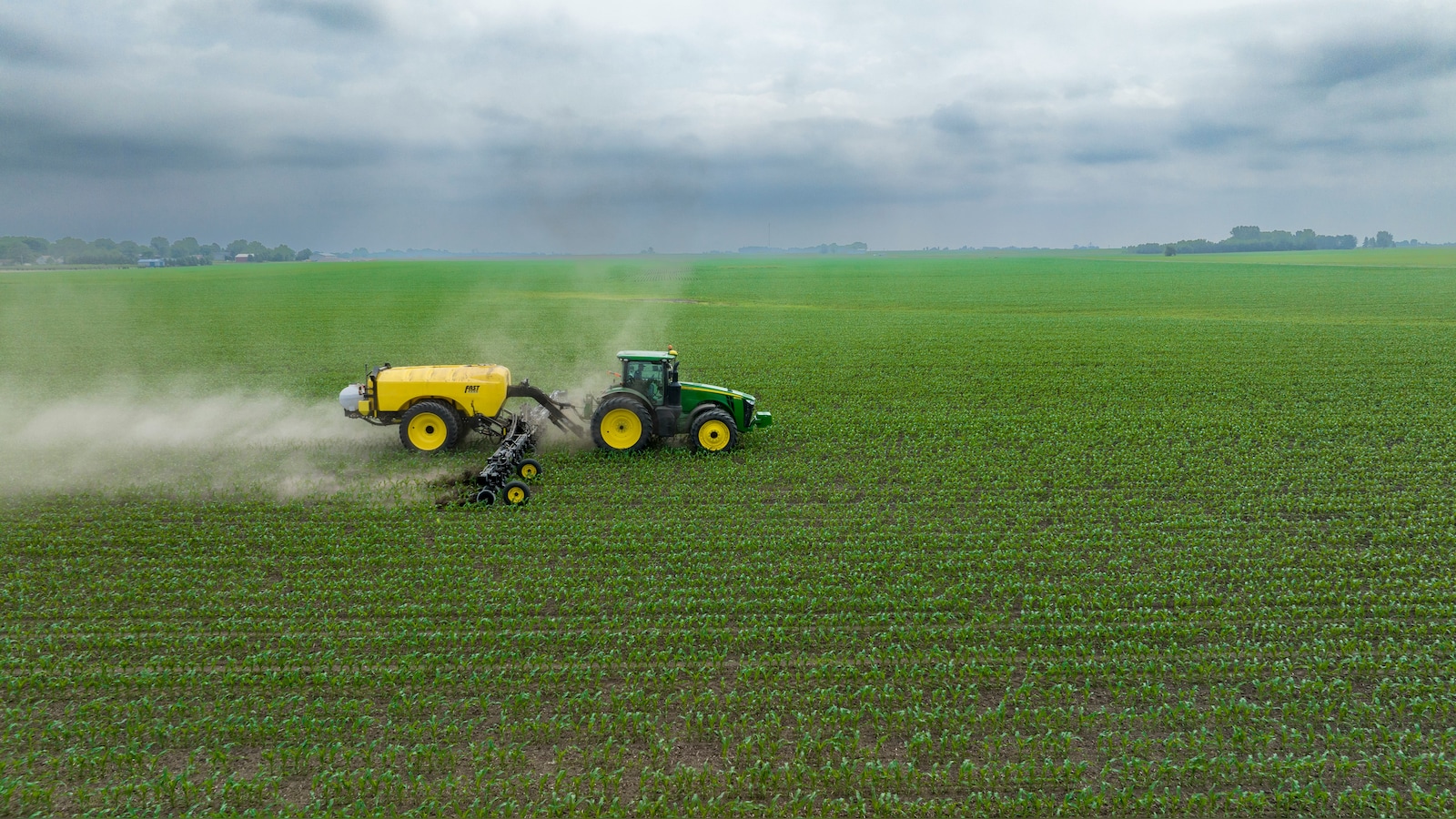
India faces rising fertiliser costs due to a surge in sulphur prices amid Middle East tensions affecting supply chains. Sulphur imports, mainly from the Middle East, have declined, increasing input costs for fertiliser manufacturers ahead of the Rabi season. In response, the government plans to introduce differential subsidies for di-ammonium phosphate (DAP) under the Nutrient Based Subsidy scheme to encourage domestic production and reduce reliance on costly imports. These measures aim to ensure fertiliser availability for farmers despite global supply disruptions.

Sentiment
49%
TBN's observations

First-hand measurement across 2 sources

We measured how 2 outlets covered this story. No outlet gave this story a measurable political slant — there is no left–right reading to report. Overall sentiment is neutral (49/100). Lens Score 43/100.

Outlets measured: ndtv, economictimes. See how each one headlined and framed the same story in the source comparison below.

AI analysis of 2 sources · Published under editorial oversight by The Balanced News
Analysed 23 Sept 2026· How this analysis is produced· Editorial standards· Corrections

AI Analysis

Sentiment — Neutral (49/100)

Sentiment was consistent across outlets (48–50/100), indicating broadly factual reporting rather than editorialising.

Coverage timeline

economictimes broke this story on 22 Sept, 06:39 pm. Other outlets followed.

22 Sept, 06:39 pm2 sources · 16 h23 Sept, 10:15 am
  1. 1
AI analysis by the TBN Bias Engine · beat methodology byMrunal Wange· Business & Economy Editor· editorial standards byOjas Kale
← Previous
Hyderabad Emerges as Leading Hub for Global Capability Centres and Life Sciences
Next →
RITES Signs MoU with NHIDCL to Support Highway and Infrastructure Projects
economictimes22 Sept, 06:39 pm
Sulphur prices surge: Govt plans differential subsidies for DAP production
  • 2
    ndtv23 Sept, 10:15 am
    India Faces Rising Fertiliser Costs Due To Sulphur Crisis Amid Iran Conflict
  • Who's involved

    Institutions and figures named across source coverage.

    Government
    Ministry of Chemicals and FertilisersGovernment of IndiaMinistry of Agriculture and Farmers WelfareMinistry of Petroleum and Natural Gas

    Story context

    Category
    Business
    Location
    India
    Sources analysed
    2
    Last analysed
    23 Sept 2026
    Key entities
    PhosphateSulfurFertilizerIndiaSulfuric acidAgricultureNational Institute of Standards and TechnologyTonneMiddle EastRabi cropIranStrait of Hormuz