India Advances Renewable Energy with Storage Amid Transmission and Regulatory Challenges
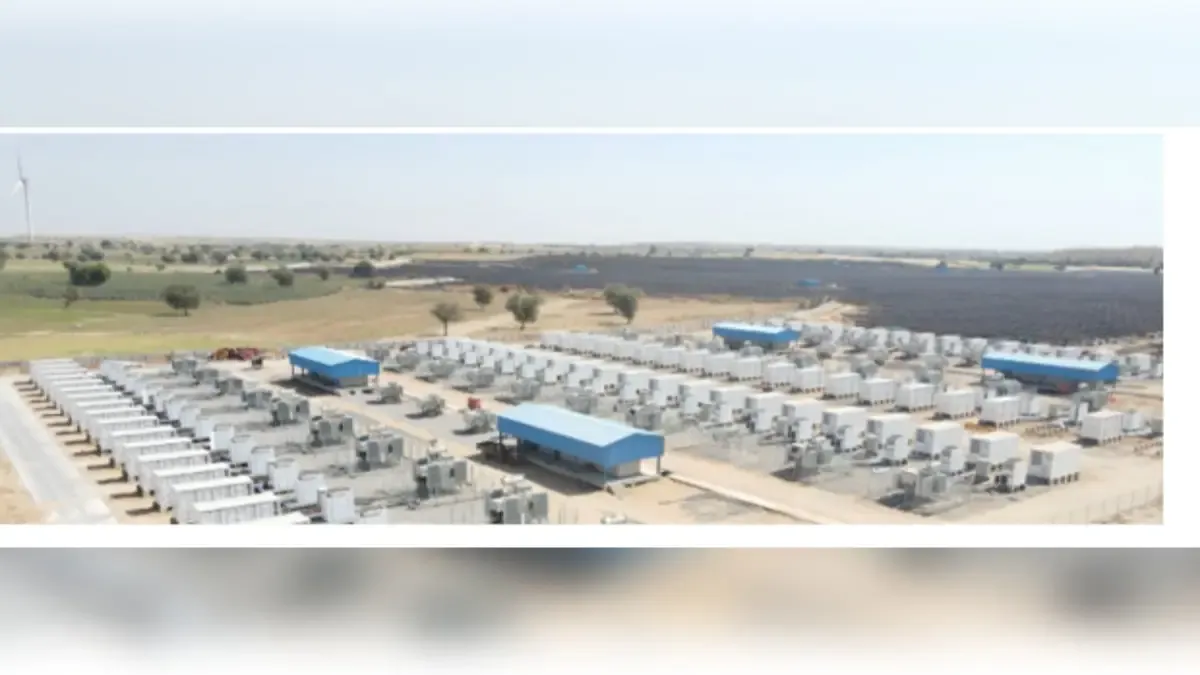
India's renewable energy sector is evolving beyond traditional solar and wind projects to include hybrid, firm dispatchable renewable energy (FDRE), round-the-clock (RTC) power, and battery storage solutions. This shift is supported by new procurement rules and growing storage capacity, exemplified by projects like Juniper Green Energy's FDRE and battery storage installations. However, regulatory challenges, land acquisition delays, and transmission infrastructure bottlenecks are causing significant power curtailment, highlighting the need for accelerated grid expansion and substantial investment in transmission to meet India's ambitious clean energy targets by 2035-36.
First-hand measurement across 2 sources
We measured how 2 outlets covered this story. Coverage leans balanced overall (Left 10%, Centre 85%, Right 5%). Overall sentiment is neutral (60/100). Lens Score 25/100 — low public interest.
Outlets analysed (first-hand measurement by TBN's Bias Engine):
- republicworld— balanced framing, positive sentiment
- thefinancialexpress— balanced framing, neutral sentiment
AI Analysis
The articles present a largely technical and policy-focused perspective on India's renewable energy transition, highlighting government initiatives and industry developments without partisan framing. They include viewpoints from government agencies, industry players, and rating agencies, reflecting a consensus on the sector's growth potential alongside infrastructural and regulatory hurdles. The coverage balances optimism about technological progress with caution regarding implementation challenges, avoiding political polarization.
The overall tone is mixed but constructive, emphasizing positive advancements in renewable technologies and policy frameworks while acknowledging significant obstacles such as transmission delays and regulatory risks. The sentiment reflects cautious optimism, recognizing both the sector's potential and the practical challenges that could affect timely achievement of clean energy goals.